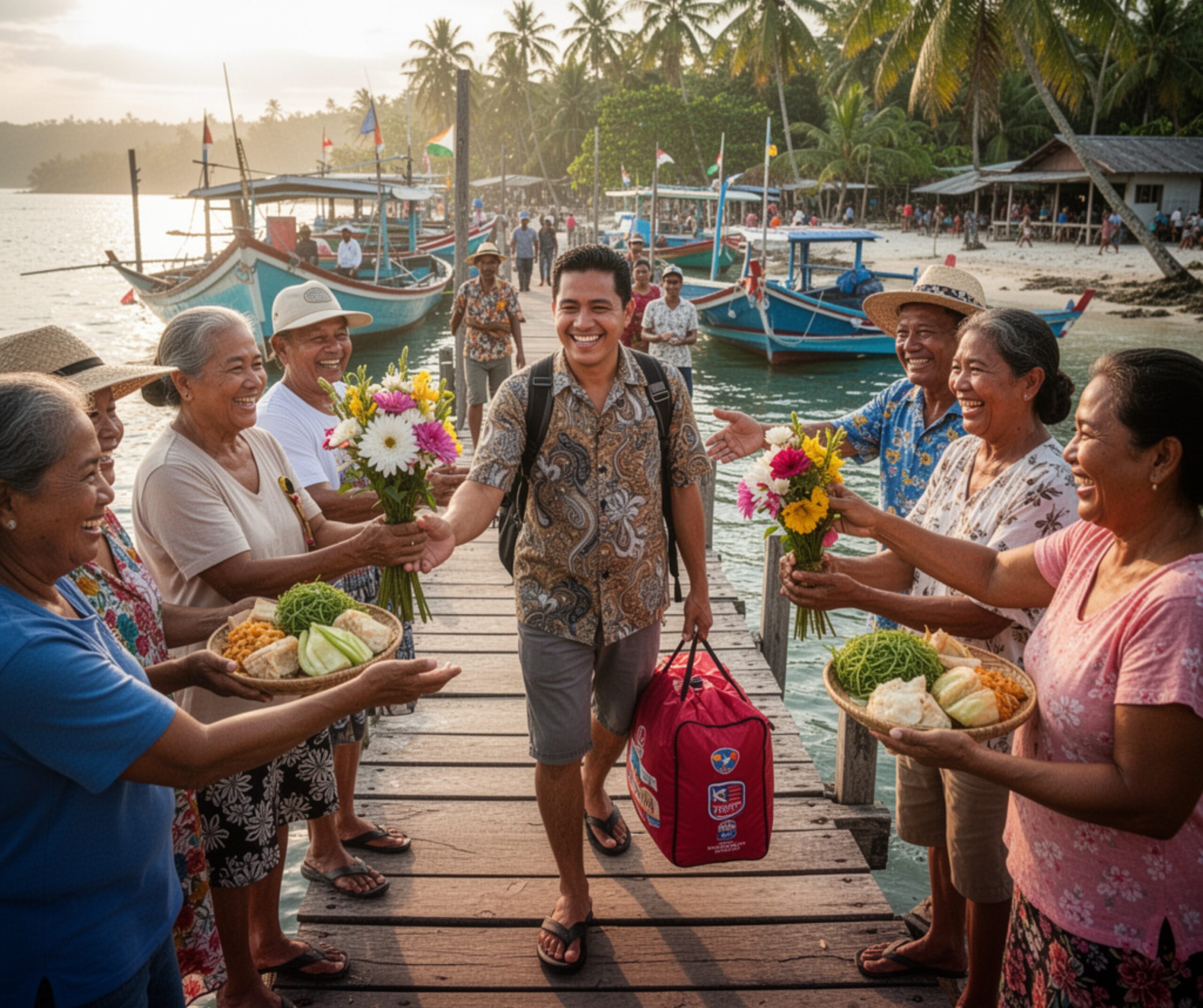

In the Philippines, time itself seems to change in December. Work days feel softer around the edges, city streets glow in warm lantern light, and homes fill with preparations that begin long before any clock strikes twelve. At the heart of this season are two midnight gatherings: Noche Buena on Christmas Eve and Media Noche on New Year’s Eve. These celebrations are familiar to anyone who has grown up Filipino, yet their meaning runs deeper than simple festivity. Each feast reflects centuries of cultural merging, emotional memory, and communal identity that continue to shape Filipino life today.
ROOTS IN FAITH AND ADAPTATION
Noche Buena came to the Philippines through Spanish Catholic tradition. The practice of attending the midnight Mass to welcome the birth of Christ was accompanied by a shared meal afterward, which in Spain was often modest and quiet. When this tradition entered the Philippines, however, something changed. Indigenous customs of communal eating, along with the Filipino sense of celebration as an act of togetherness, transformed the meal into a warm family reunion. Christianity remained central, yet the emotional character of Noche Buena became distinctly Filipino: joyful, abundant, affectionate, even lively to the point of noisy.
Media Noche arrived through the same colonial channels, but the symbolism around it drew heavily from precolonial beliefs. Long before Spanish rule, Filipinos practiced rituals to welcome the new year or mark moments of renewal, including noise-making to scare away malevolent spirits and offering food to invite blessings. When Spanish naming and Catholic calendar structures merged with these older rituals, Media Noche became a celebration that recognized both the passage of time and the hope for the future. If Noche Buena is a sacred welcome to the divine, Media Noche is an embrace of possibility and good fortune.
THE SACRED AND THE JOYFUL
Noche Buena is tied to reverence. Even in households that are no longer strictly religious, there is an atmosphere of gentleness on Christmas Eve. Families return to their childhood homes if they can. The television plays carols while neighbors greet each other over fences. The air often smells of warm bread, cheese, salted ham, and occasionally simmering chocolate from tablea.
Media Noche on the other hand is electric. It is a celebration of sound and laughter, marked by firecrackers, horns, and pots banged loudly together. Children run outside with sparklers while adults count down the minutes. The meal does not simply nourish. It declares hope. It insists that the coming year will overflow with sustenance and good luck.
WHAT THE TABLE REVEALS
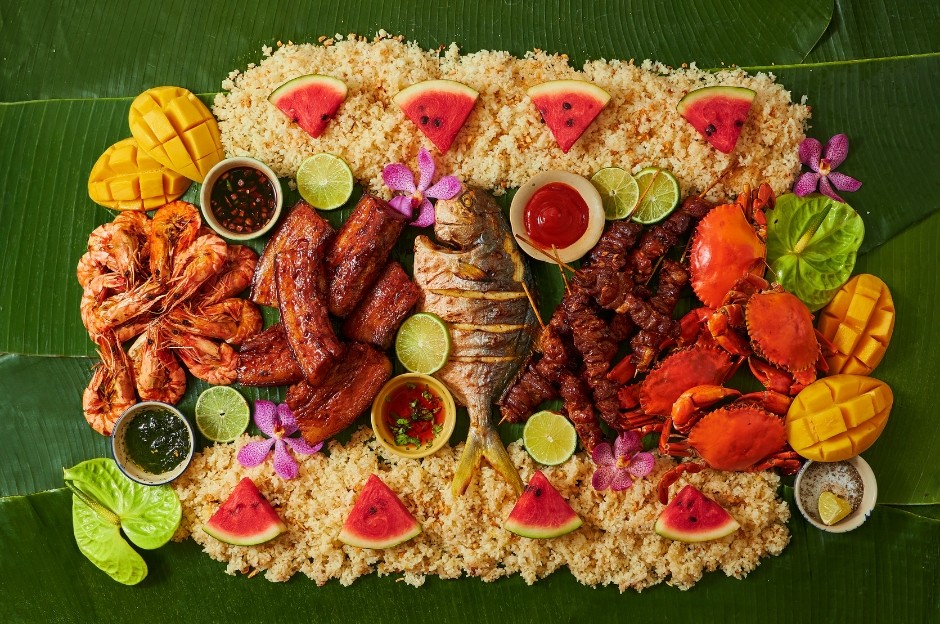
The Filipino holiday table is a map of memory. The dishes served during Noche Buena tend to emphasize comfort, warmth, and familiarity. Queso de bola placed in the center of the table, slightly sweating in the tropical heat. Ham glazed until glossy. Pandesal soft enough to tear with fingertips. Bibingka and puto bumbong bought near the church after Mass, eaten with salted egg, cheese, or coconut. Homemade tsokolate made thick with ground cacao tablets in a batirol pot. These foods do not simply feed. They recall grandparents, childhood Christmases, provincial mornings, and family stories repeated every year.
Media Noche leans into symbolism. Round fruits for prosperity. Long noodles for longevity. Sticky rice to ensure relationships remain close. A full table that must not be scarce, since scarcity on the table at midnight is believed to echo scarcity throughout the year. Even those who cannot afford extravagance find ways to add abundance, often through resourcefulness and community sharing. It is not the price of the food that matters. It is the act of preparing with optimism.
ACROSS THE REGIONS
Although the concept is shared, the feasts look different across the archipelago. In Pampanga, rich culinary traditions highlight bringhe, morcon, and ensaymada that melts on the tongue. Ilocanos lean toward salty cured meats and vegetables preserved for longevity. Cebuanos pride themselves on lechon that remains crisp even after hours of celebration. In the Visayas, kinilaw or inasal might appear on the table, while in Mindanao, dishes influenced by Tausug, Maranao, and Maguindanao traditions create feasts fragrant with spices like palapa or turmeric. The holiday table is a living atlas of Filipino diversity.
REINVENTING TRADITION TODAY
Contemporary Filipino families continue to reinterpret these feasts. Some gather early for the sake of relatives working night shifts or those living apart. Others incorporate international dishes such as Korean barbecue sets, Japanese cheesecake, or pasta baked with mozzarella instead of traditional queso de bola. Some families hold their celebrations entirely online, sharing screens across continents. Vegan feasts, halal spreads, and allergy-friendly menus reflect changing lifestyles and inclusivity. Yet even with change, the emotional purpose stays constant. To gather. To share. To remember. To hope.
KEEPING TRADITION ALIVE ABROAD
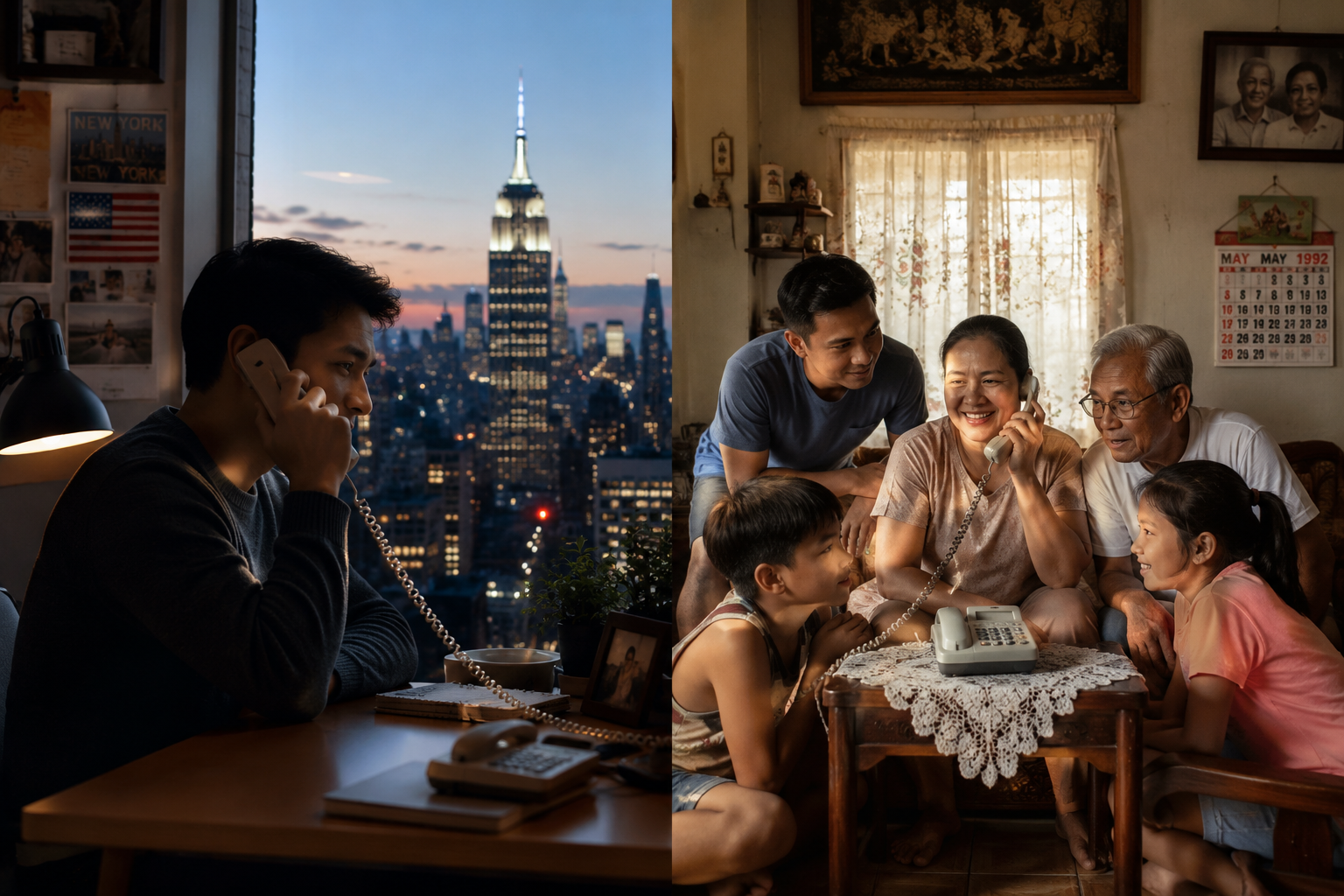
For the Filipino diaspora, the Feasts of Two Midnights can be bittersweet. Time zones may separate families. Winter cold may replace the tropical night air. Ingredients may require substitution or improvisation. Yet Noche Buena and Media Noche take on a deeper meaning for those who celebrate far from home. These meals become acts of remembrance and identity. Even a simple meal of ham and rice eaten after work can become an anchor to memory. The aroma alone can bring home into the room.
THE CELEBRATION ENDURES
To sit at the midnight table is to participate in a story that stretches across generations. Noche Buena honors what has been given. Media Noche welcomes what has yet to come. Together, they form a rhythm of gratitude, memory, continuity, and hope. No matter how traditions shift or where Filipinos find themselves in the world, the Feasts of Two Midnights endure because they are not merely events. They are expressions of who we are.