More Than Welcome: The Deep and Enduring Roots of Filipino Hospitality
Every traveler who has been to the Philippines comes home with a version of the same story. They were treated not like a visitor but like family. The question worth asking is why, and the answer goes much deeper than good manners.
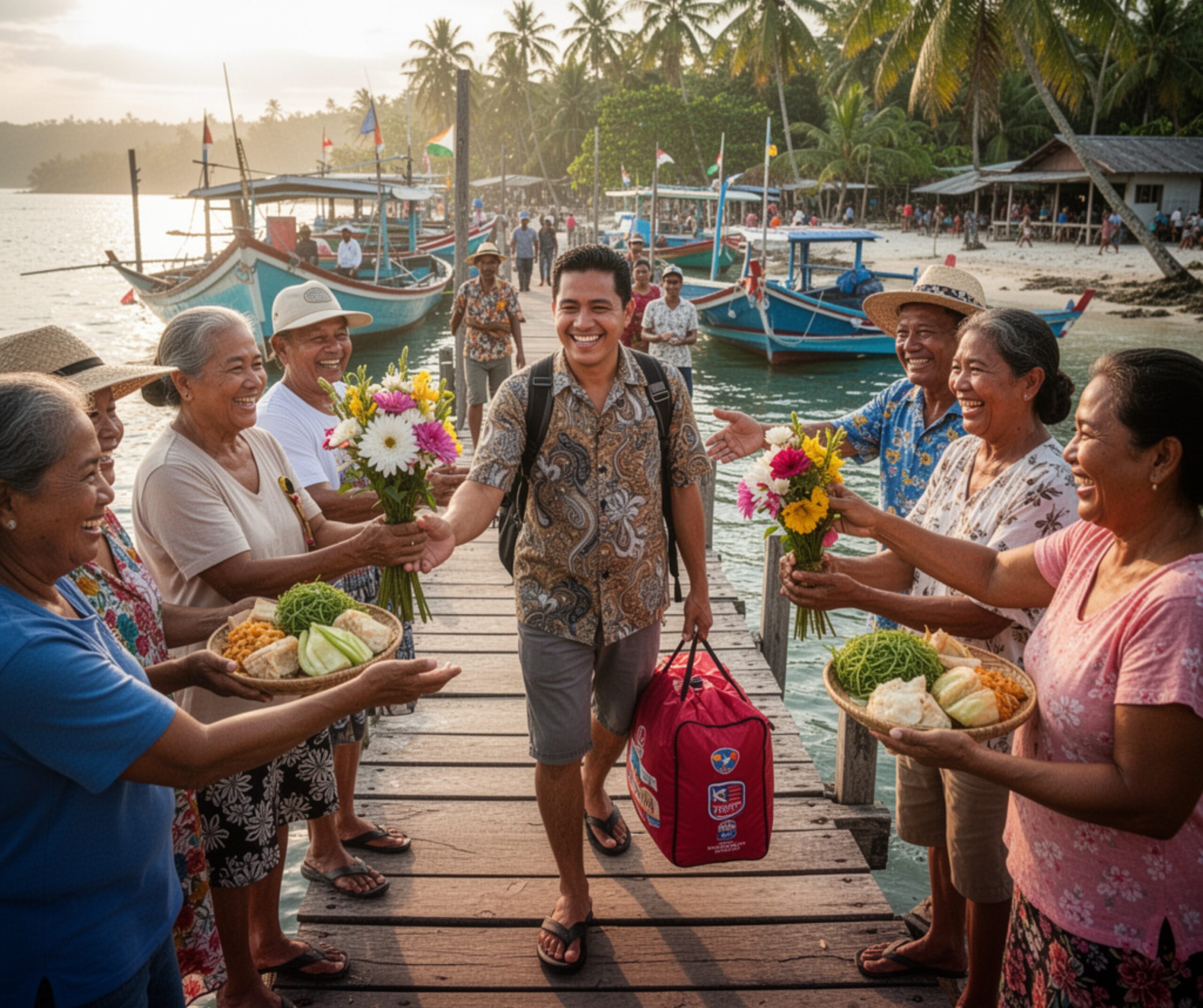
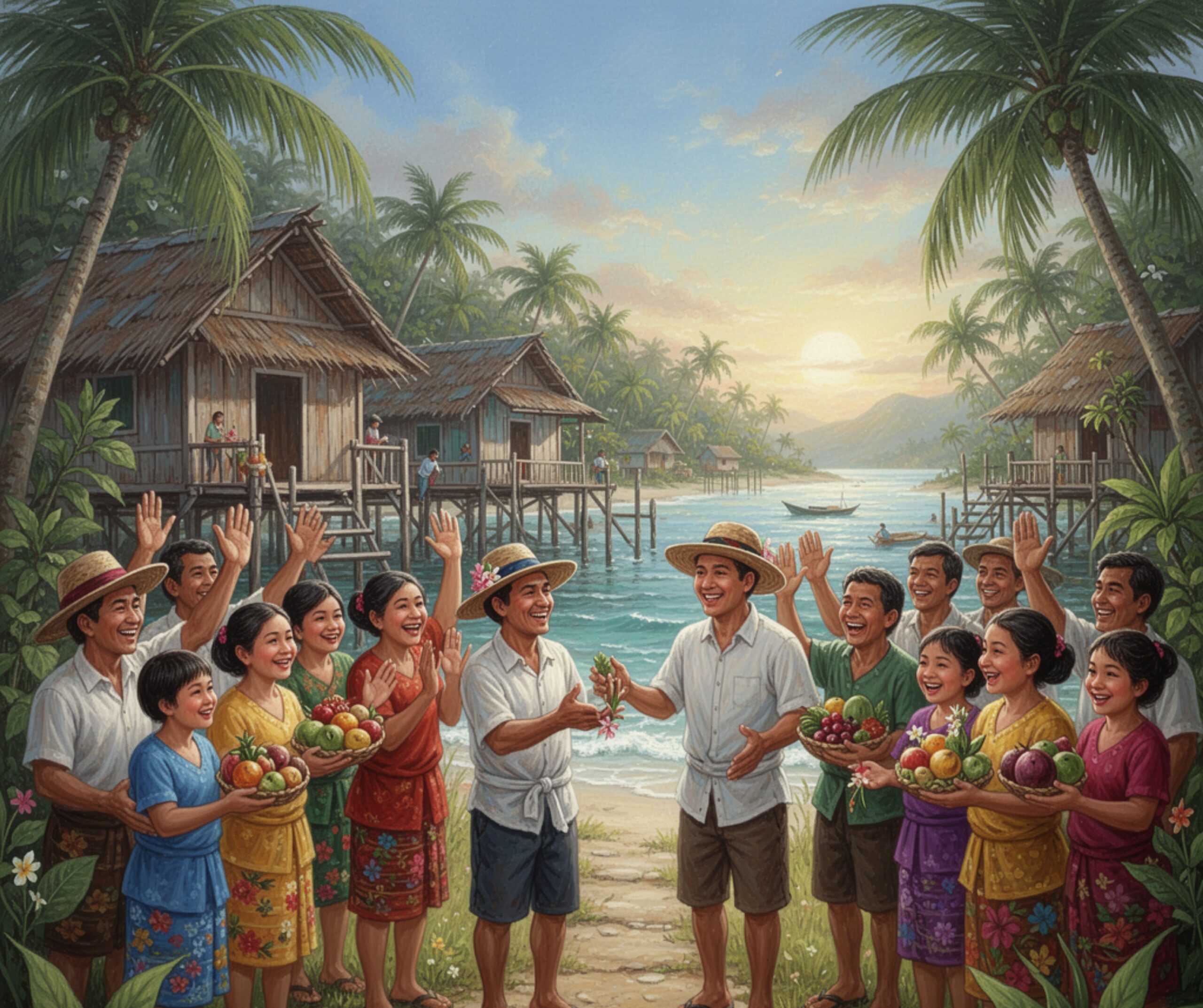
Picture this: a traveler arrives in a small coastal barangay in the Visayas, slightly lost, visibly tired, asking directions to a guesthouse that may or may not still be open. Within minutes, a stranger has not only given directions but has personally walked the traveler there, refused any offer of payment, and extended an invitation to join the family for dinner that evening with a sincerity that makes refusal feel genuinely rude. The guesthouse owner, upon arrival, apologizes for the modesty of the room as though it were a personal failing. In the morning, there is breakfast that no one asked for and coffee that appears before the traveler has finished sitting down.
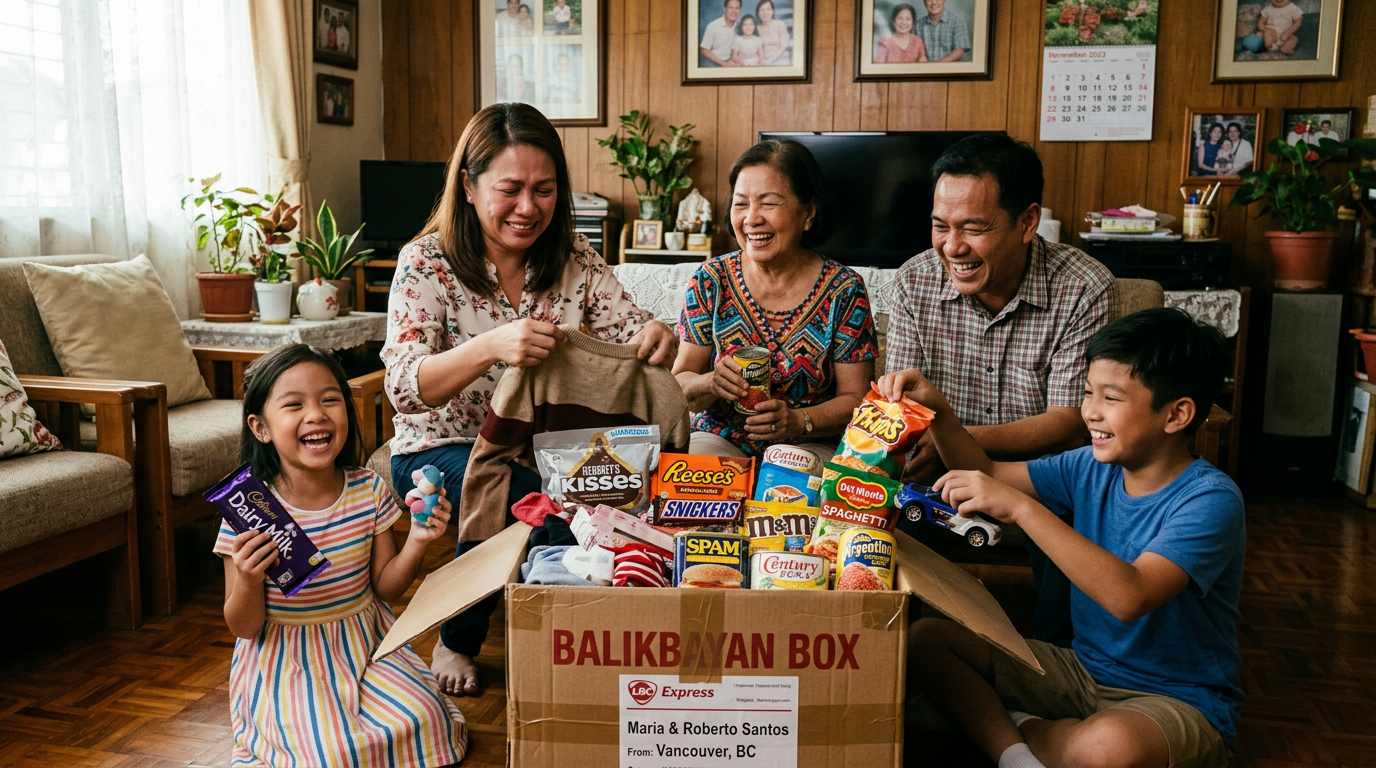
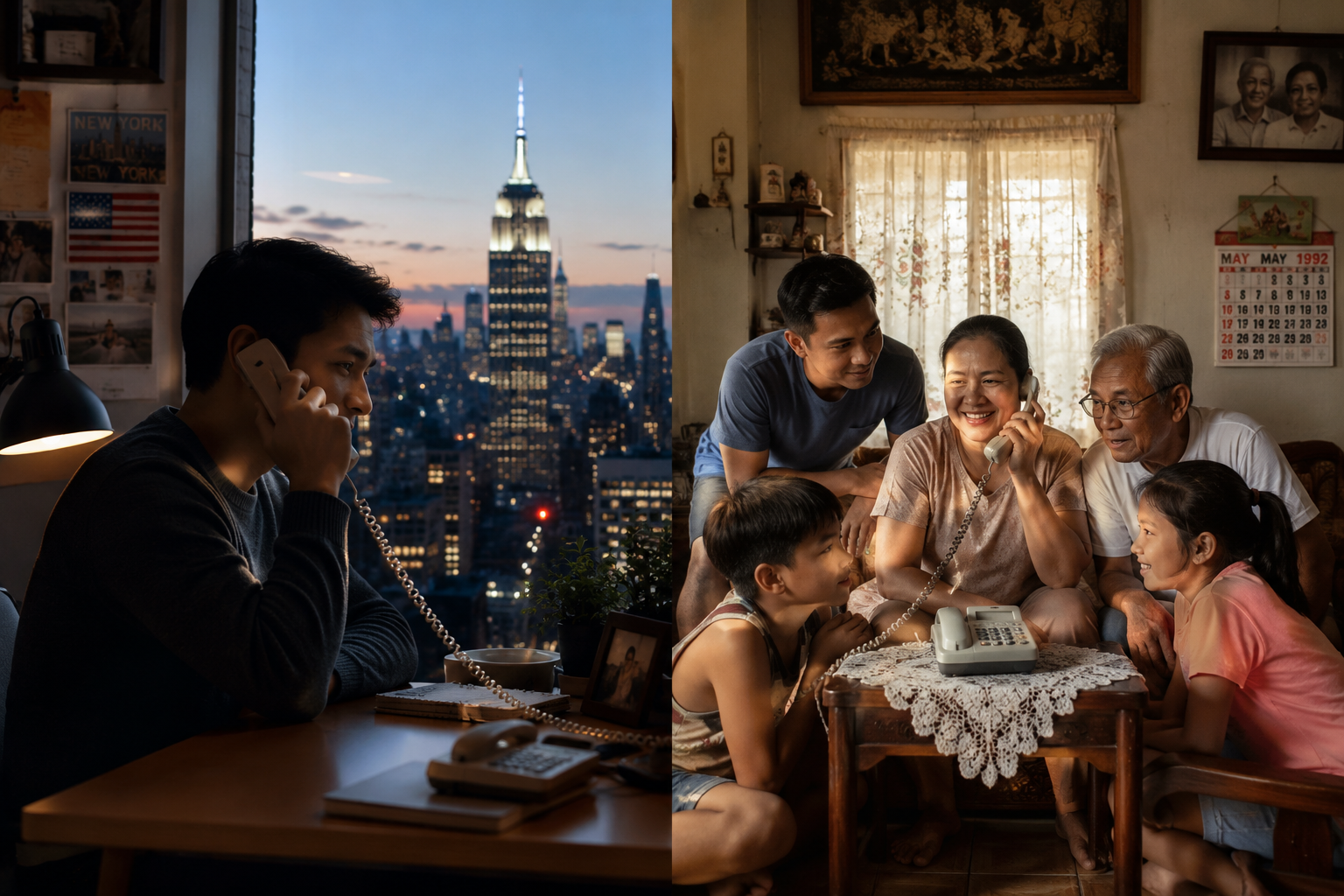
This is not a singular anecdote. Versions of it are told by virtually every foreigner who has traveled through the Philippine archipelago and by every balikbayan who has come home after years away and been reminded, sometimes tearfully, of what they had been missing. Filipino hospitality is one of the most remarked-upon qualities of the country and its people. What is discussed far less often is where it comes from, what it costs, what it means, and why, across centuries of colonial history and economic hardship and cultural change, it has not only survived but deepened.
THE WORD THAT HAS NO DIRECT TRANSLATION
To understand Filipino hospitality, you have to start with a concept that resists clean translation into English. Kapwa is a Tagalog word that is sometimes rendered as shared identity or the self in the other, but neither phrase fully captures what it means in practice. Filipino psychologist Virgilio Enriquez, who devoted much of his scholarly life to understanding the indigenous roots of Filipino values, described kapwa as the core of Filipino personhood: the recognition that the self and the other are not truly separate. You are not a stranger I am being kind to. You are, in some fundamental sense, me.
This is not a philosophical abstraction. It is lived daily in the way Filipinos instinctively include others at the table, in the way a stranger’s difficulty becomes a personal concern, in the way the phrase kain na tayo, let us eat, is extended to virtually anyone in the vicinity of a meal. The invitation is not performance. It is reflex. It comes from a worldview in which the boundary between self and community is genuinely porous, in which to withhold hospitality would feel not merely impolite but somehow wrong at a deeper level, a violation of something essential about what it means to be a person among other people.
FORGED BY HISTORY, NOT BROKEN BY IT
The Philippines has spent much of its recorded history under the authority of others. More than three centuries of Spanish colonial rule. A brutal Japanese occupation. The long complicated relationship with American influence that persists in culture and language and aspiration to this day. A cynical reading of Filipino hospitality might locate its roots here, in a people trained by circumstance to be accommodating, to smooth over difficulty with warmth, to survive by being indispensable and agreeable to whoever holds power.
But this reading misses something important. The hospitality that travelers encounter in the Philippines today does not feel like accommodation. It does not feel strategic or performed or anxious. It feels generous. It feels chosen. And the historical record, even accounting for all that was imposed and endured, suggests that the roots of Filipino communal warmth predate colonialism entirely. The bayanihan spirit, the tradition of neighbors physically lifting a house and carrying it to a new location together, is not a colonial invention. Neither is the practice of damayan, showing up for someone in grief or difficulty not because you are asked but because it would not occur to you not to. These are pre-Hispanic values that survived everything that was thrown at them, not because Filipinos were passive but because they understood, at some collective level, that this was worth protecting.
THE TABLE AS SACRED SPACE
In the Philippines, food is never just food. The act of eating together is the primary ritual of belonging, the clearest signal that you are no longer outside. To be invited to a Filipino table is to be temporarily inducted into the family, and the table itself is always larger than it needs to be because the expectation, operating quietly in the background of every meal, is that someone else might arrive and will need to be fed.
This is why the refrigerator in a Filipino home is never truly empty, why the question of whether a guest has eaten yet carries real weight, why Filipinos living abroad will cook enormous quantities of food for gatherings because the anxiety of running out is more uncomfortable than the labor of excess. The food is the message. What it says is: you matter here. You are seen. There is enough for you.
Balikbayans returning home after years away often describe the moment of sitting down to a meal prepared by their mother or grandmother as the realest part of coming back. Not the airport, not the familiar skyline, not even the faces of family members. The food. The specific smell of a specific dish that no restaurant abroad ever quite replicated. The care that went into its preparation, which is always, in the Filipino context, a form of love that found a practical outlet.
WHAT IT ASKS OF THE TRAVELER
Filipino hospitality is genuine, but it is not without weight. To receive it well requires something from the person on the receiving end. It requires presence and attention and the willingness to be genuinely met rather than merely served. It requires accepting the extra rice, staying longer than you planned, and understanding that the question of whether you have eaten is never small talk. It is a real question about a real concern.
The travelers who leave the Philippines most transformed are almost always the ones who allowed themselves to be taken in rather than simply passing through. Who accepted the dinner invitation in the barangay. Who let the stranger walk them to the guesthouse without turning it into a transaction. Who sat at the table long enough to understand that what was being offered was not a service but a relationship, however brief, and that to receive it fully was to honor it.
The Philippines will be remembered by those who visit it for many things: the beaches, the food, the islands, the light at a particular time of morning over a particular stretch of water. But what stays longest, what gets mentioned first when someone who has been there is asked to describe it, is almost never a place. It is a person. A stranger who became something more than that within the space of an afternoon. A family that set an extra plate without being asked. A country that has a word, kapwa, for the understanding that you were never really a stranger at all.