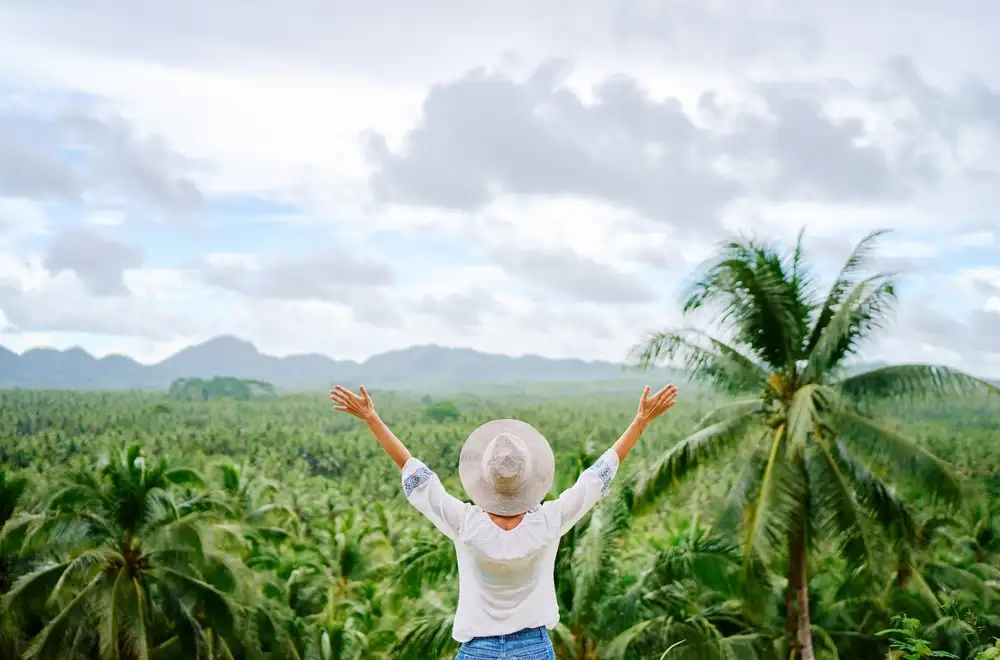
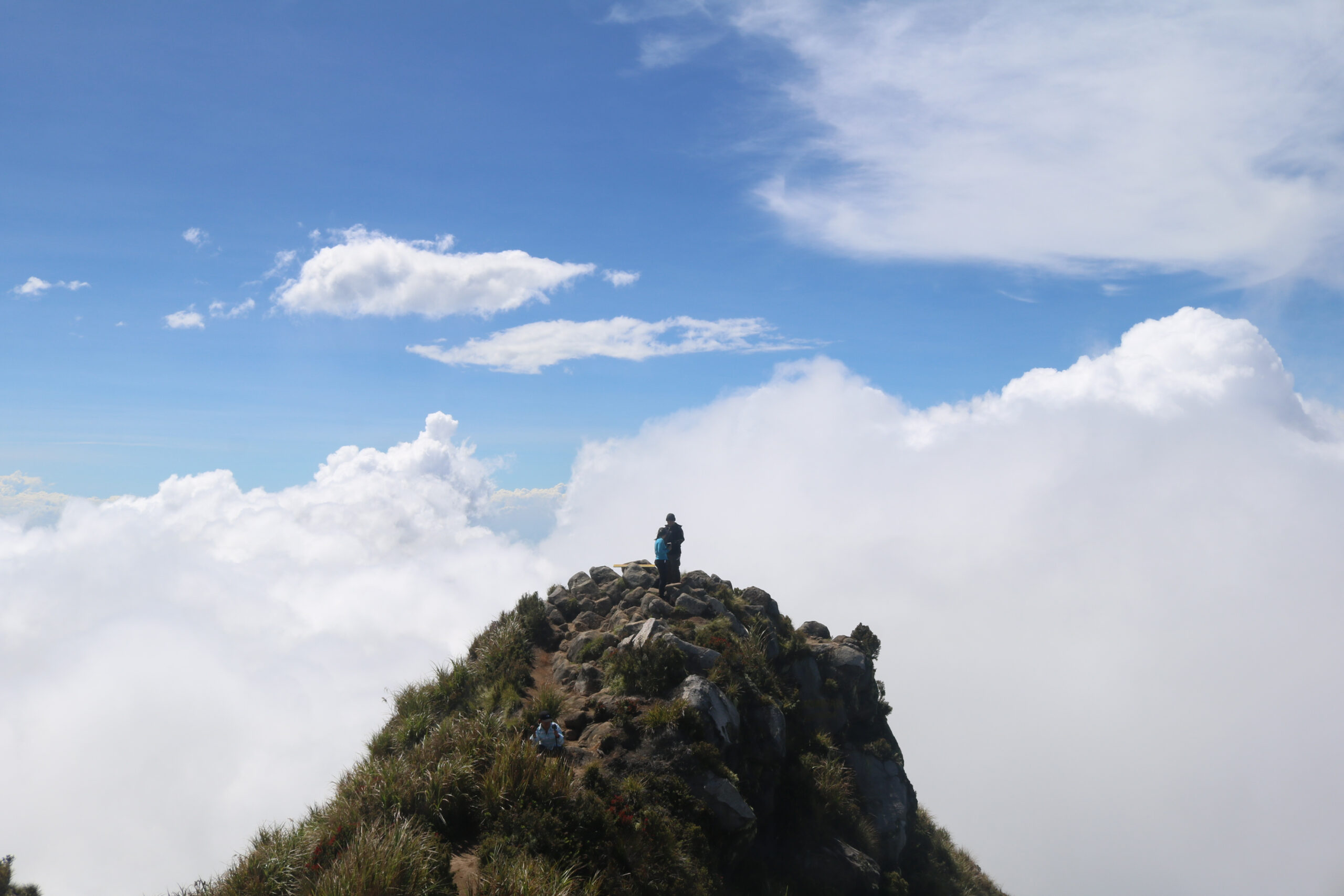
Standing at the summit of the Philippines, Mt. Apo challenges hikers with its height and rewards them with unforgettable vistas.
For too long, Mindanao has been defined by what people feared rather than what it actually is. That is changing, and the travelers who have already made the trip are wondering why it took everyone else so long.
Ask anyone who has spent real time in Mindanao what surprised them most, and the answers tend to cluster around the same few things. The food was extraordinary. The people were among the warmest they had encountered anywhere in the Philippines. The landscapes were nothing like what they expected. And the overwhelming feeling, repeated almost universally, was that they had been missing out for years and had no one to blame but their own hesitation.
Mindanao is the second largest island in the Philippine archipelago, home to roughly a third of the country’s land area and an extraordinary concentration of its biodiversity, cultural diversity, and culinary depth. It is also, for reasons rooted in decades of conflict in specific areas and an outsized fear that those areas represent the whole, one of the most misunderstood and undervisited parts of the country. That gap between perception and reality is finally, visibly closing. And for the traveler paying attention, the timing could not be better.
DAVAO: THE CITY THAT REWRITES THE SCRIPT
Davao City has been quietly building a reputation as one of the most livable and visitable cities in Southeast Asia, and those who arrive expecting something rough around the edges leave pleasantly disoriented. The city is clean, organized, and genuinely proud of itself. Its food scene anchors the experience: fresh tuna from the waters of General Santos, durian in every form from ice cream to pastry to the raw and confrontational fruit itself, and a grilling culture that produces some of the finest inihaw in the country.
Beyond the city, the landscape opens dramatically. Mount Apo, the highest peak in the Philippines, draws serious hikers from across the country and beyond. The Philippine Eagle Center outside Davao offers one of the most humbling wildlife encounters available anywhere in the archipelago, a face-to-face moment with the largest eagle on earth, a bird found nowhere else. Eden Nature Park and the highlands surrounding Davao give the city a cool green hinterland that most urban destinations would envy.
BUKIDNON, CAMIGUIN, AND THE REST OF THE STORY
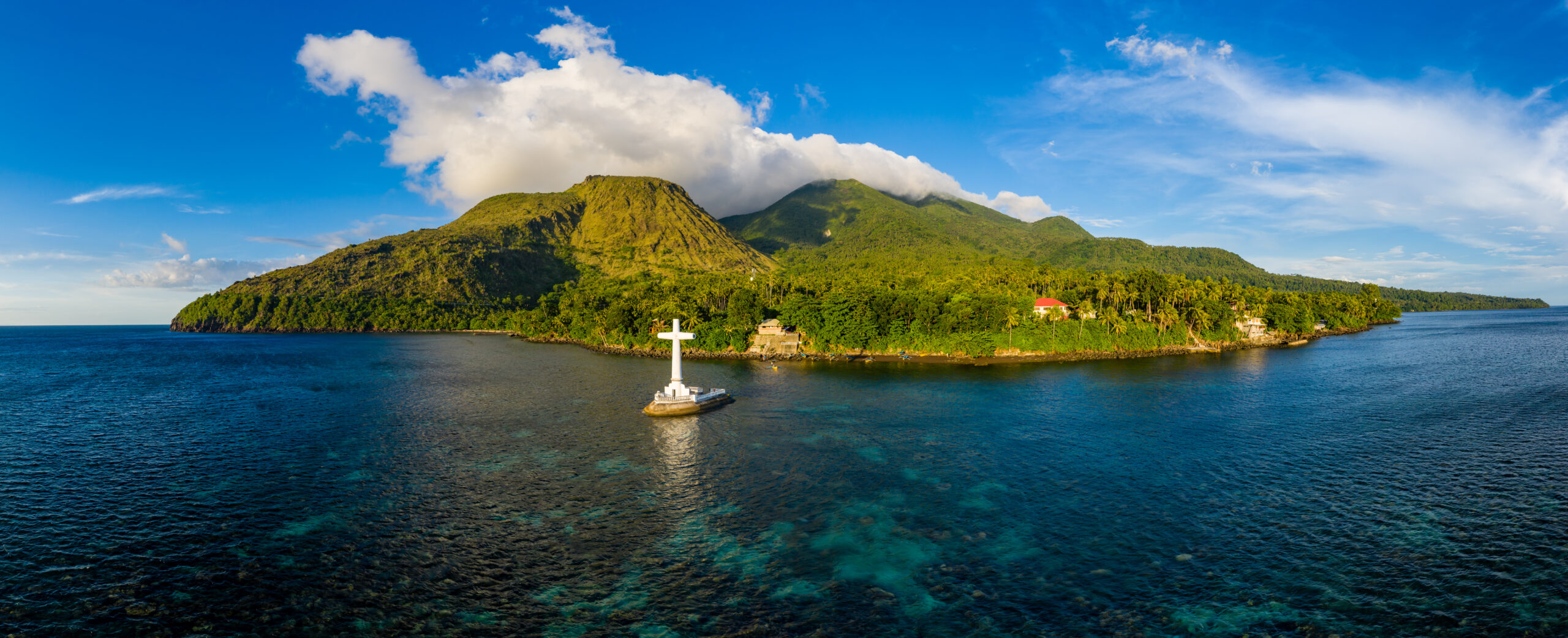
Mindanao’s appeal extends well beyond its largest city. Camiguin, the small volcanic island off the northern coast, has long been considered one of the most beautiful islands in the Philippines by those who have made the trip, and its relative obscurity remains one of its great gifts. Hot and cold springs, sunken cemetery, white island sandbars, waterfalls that drop directly toward the sea. Camiguin is the kind of place that makes travelers recalibrate their entire understanding of what a Philippine island can offer.
Bukidnon’s cool green plateau, Cagayan de Oro’s white water rapids and emerging urban energy, the coastal serenity of Surigao del Sur and the world-class surf of Siargao sitting just offshore, the ancient traditions and living culture of Mindanao’s indigenous communities. Each of these is a full destination in its own right. Together, they form a travel landscape of extraordinary range and richness that the rest of the country has only begun to properly appreciate.
THE MINDANAO THAT WAITS FOR YOU
What makes Mindanao the most exciting travel frontier in the Philippines is not any single destination but the cumulative effect of everything it holds. This is an island where Muslim, Christian, and indigenous cultures exist side by side and produce, in their combination, a way of life and a table and a set of traditions that is unlike anything found in Luzon or the Visayas. The food alone is worth the flight. The Maranao cuisine of Lanao, the grilled seafood of the coastlines, the fresh produce of the highlands. To eat across Mindanao is to understand that Philippine culinary culture is far wider and deeper than most people have been led to believe.
The travelers arriving in Mindanao now are not the fearless few who came despite the reputation. They are ordinary Filipinos and curious visitors who did their research, listened to those who had already been, and decided that the story they had been told about this island was incomplete. They are almost always right. And they almost always come back.