In the Philippines, the sun doesn’t set. It lingers, warm and unhurried, over islands waiting to be explored.
A celebration of travel, homecoming, and the Philippine summer that never really ends
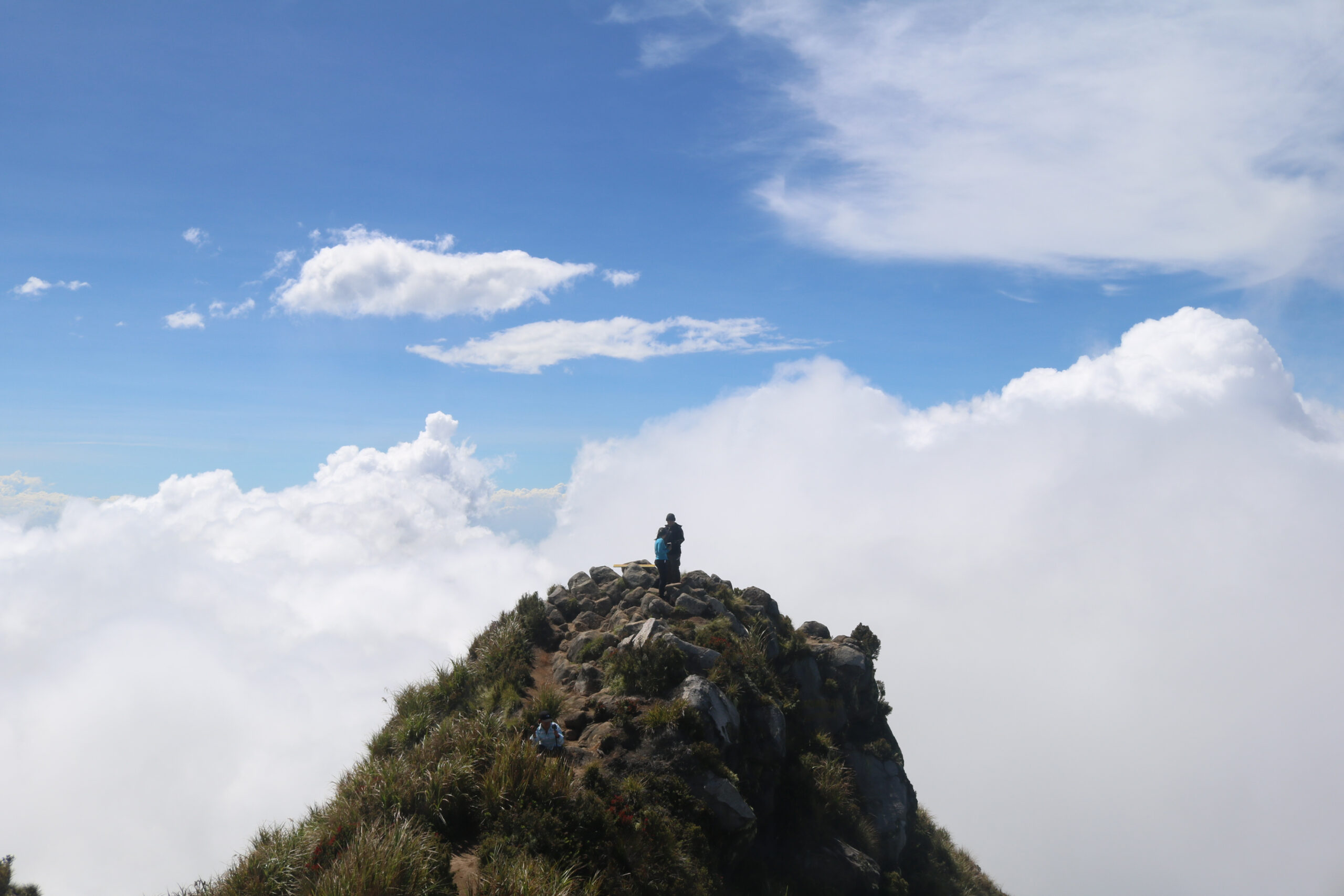
There is a particular kind of light that exists only in the Philippines. It arrives early, somewhere around five in the morning, in a wash of peach and gold over the water. By seven, it is full and warm and already promising something. By noon, it is the whole world. Travelers who have stood on the shores of El Nido, or watched it pour through the capiz windows of a Vigan inn, or felt it on their faces from the deck of an inter-island ferry, know that this light is not incidental. It is the point. It is what you came for, even if you didn’t know it yet.
In 2026, that light is drawing more people home and more visitors in than at any point in recent memory. Philippine tourism has entered what industry observers are calling its second golden age, and the numbers bear it out. International arrivals have climbed steadily past pre-pandemic levels, with travelers from South Korea, Australia, the United States, and Japan leading the surge. But the more interesting story is not about foreign arrivals at all. It is about the Filipinos themselves, at home and abroad, who have rediscovered their country with fresh eyes and a deeper hunger.
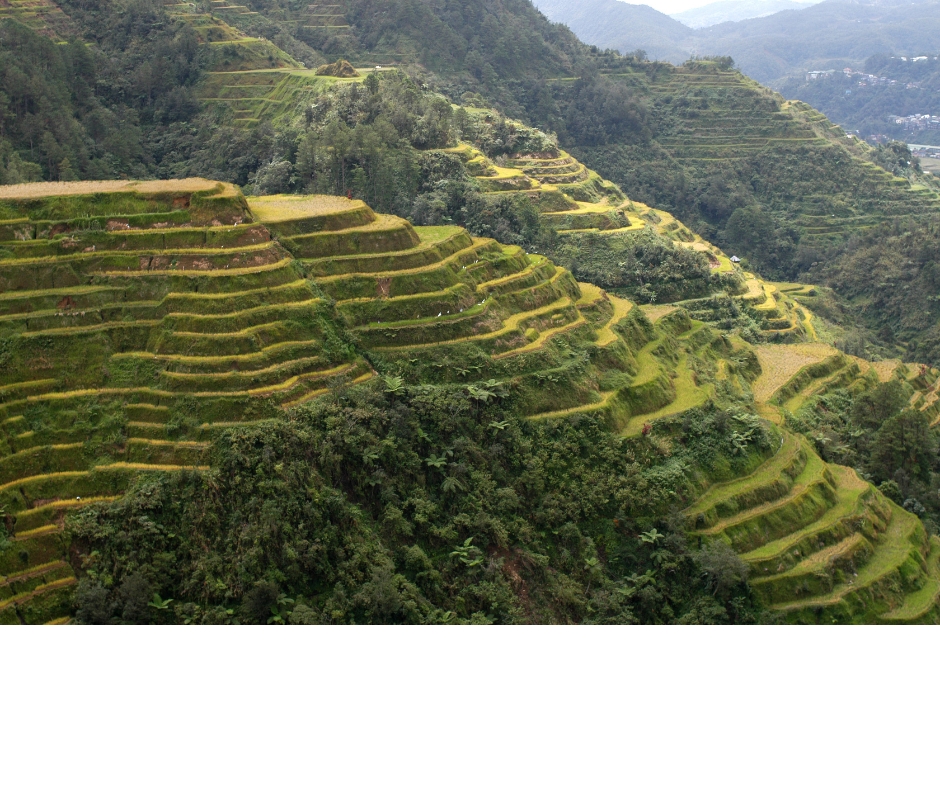


THE BALIKBAYAN SUMMER
For the millions of Filipinos living and working overseas, the Philippine summer has always been more than a season. It is a promise kept. It is the plane ticket saved for since January, the balikbayan box sent ahead, the group chat that starts buzzing with reunion logistics sometime around March. Summer is the reason to go home. And in 2026, going home has become an experience unto itself.
The balikbayan experience has transformed significantly over the past few years. Where once a homecoming trip meant enduring long queues, unreliable transfers, and the quiet exhaustion of logistics, returning Filipinos now arrive into an infrastructure that is, slowly but meaningfully, catching up with their expectations. The expanded Ninoy Aquino International Airport Terminal 3, new regional gateways in Cebu and Clark, and growing direct routes from the Middle East, Europe, and North America have made the journey itself less punishing. There is still work to be done, and every balikbayan carries at least one airport story in their back pocket. But the direction of change is unmistakable.
What has changed most, though, is what waits on the other side of arrival. The Philippine resort and hospitality landscape has undergone a quiet revolution, driven in equal parts by local entrepreneurship, the expectations of a well-traveled Filipino diaspora, and a generation of young Filipinos who came of age watching international travel content and decided they wanted that, too, but made Filipino and made here.
RESORTS REIMAGINED
The old model of the Philippine beach resort, a concrete block of rooms set back from a strip of sand, with a buffet breakfast and a karaoke bar by the pool, has not disappeared. But it has been joined by something more considered, more rooted, and more aligned with the way Filipinos themselves experience home. Across the country, a growing number of properties are embracing condotel living, a hybrid model that allows guests to move beyond temporary stays and into something closer to residence. In doing so, they are reshaping not only how visitors experience the Philippine summer, but how balikbayans reclaim their place within it.
Few groups illustrate this shift more clearly than the Sta. Lucia Land Group of Hotels and Resorts, whose expanding presence reflects both the geographic logic of Philippine travel and the emotional geography of Filipino return. Their properties are positioned not simply as destinations, but as extensions of home, allowing overseas Filipinos to settle into the country with familiarity and ease. On Mactan Island, long one of the symbolic centers of the Philippine summer, Sotogrande Hotel and Resort Cebu and Arterra Hotel and Resort offer beachfront settings where the transition from arrival to belonging feels almost immediate. Located just minutes from Mactan-Cebu International Airport, they allow balikbayans to exchange long-haul travel for sea air within the same hour, gathering families in spaces designed as much for living as for leisure. Days unfold without urgency, structured around shared meals, quiet mornings, and the slow rebuilding of presence.
Elsewhere, this same philosophy takes different forms. Aquamira Hotel in Cavite, within reach of Metro Manila, has become a natural venue for multi-generational reunions, where families separated by continents find room to exist together again under one roof. In the capital region itself, La Breza Hotel in Quezon City and Santorini Hotel in Cainta allow returning Filipinos to situate themselves within the everyday rhythms of urban life, close to relatives, familiar neighborhoods, and the social texture that defines home. These are not visits organized around sightseeing, but around resumption.
Further south, the experience expands outward. Sotogrande Iloilo Hotel, uniquely positioned along the water in one of the country’s most culturally confident cities, offers access to both heritage and horizon. In Mindanao, Sotogrande Davao Hotel, set within rare parkland in the center of the city, creates space for a different kind of stillness, one that feels grounded in place rather than apart from it. Across these locations, the consistency lies not in architecture, but in intention. Each property allows balikbayans to remain longer, to move more freely between rest and routine, and to experience the Philippine summer not as interruption, but as continuation.
This is the deeper promise of condotel living. It acknowledges that for millions of Filipinos abroad, the relationship with the Philippines exists in suspension, waiting for the next return. By offering spaces that combine the permanence of a private residence with the ease of a professionally managed resort, developments like those of the Sta. Lucia Land Group of Hotels and Resorts transform homecoming into something less fleeting. The Philippine summer, in this form, is no longer simply a season that begins and ends. It becomes a life that remains available, patient and intact, ready to be resumed whenever its people come back.
THE COASTAL TOWN MOMENT
Beyond the resorts, something is happening in the smaller coastal towns that is harder to quantify but equally significant. Towns like Donsol in Sorsogon, Mati in Davao Oriental, Boac in Marinduque, and Catarman in Northern Samar are becoming destinations not despite their ordinariness but because of it. Travelers, both local and foreign, are looking for the real texture of Philippine coastal life: the morning fish market, the neighborhood carinderia, the tricycle ride to a beach that has no entrance fee and no Instagram famous signage. They want the Philippines that Filipinos actually live in.
This trend has real economic implications. Tourism spending is beginning to reach communities that were bypassed by the first wave of Philippine travel development. Small guesthouses are opening. Local guides are building reputations. The bangka operator who used to rely only on a handful of steady customers now has a booking request from a couple in Makati who found him through a travel blog. The distribution of the summer windfall is, slowly, becoming wider.
FLYING DIFFERENTLY
The way Filipinos travel within the archipelago has also shifted. The budget airline boom of the early 2010s created a generation of island-hoppers who measured their summers in flight routes and gate numbers. That culture remains, but it has been complicated and enriched by a few new realities.
First, the roads. Infrastructure investment over the past several years has quietly made overland and sea travel genuinely competitive with flying for certain routes. The drive from Manila to Batangas, once a negotiation with traffic, is smoother on the expressway. New roll-on, roll-off ferry services have opened up routes that make it practical to travel with a car, which changes the kind of trip you can take. Family road trips to Quezon, Bicol, and the Ilocos region have seen a genuine revival, and with them a rediscovery of the towns and landscapes that exist between the airports.
Second, there is a growing interest in slower travel. Not everyone is optimizing for maximum destinations per summer anymore. Some travelers, particularly younger Filipinos and members of the diaspora who are back for an extended stay, are choosing to spend two or three weeks in a single province rather than racing between five islands in ten days. They rent a house in Sagada or a room in a Batangas beach town and let the place find them. This is a different kind of summer, and it is producing a different kind of memory.
SUN AS A LIFESTYLE
What the Philippines is beginning to sell, and what its most sophisticated travelers are beginning to buy, is not just a vacation but a way of being in the world. The Philippine summer, endless and generous and built around water and light and the company of people you love, is increasingly understood as a lifestyle proposition rather than merely a travel category.
This is visible in the aesthetics of the moment. Filipino fashion for summer 2026 is leaning into natural fibers, easy silhouettes, and the kind of relaxed confidence that says the beach is never more than a thought away. The home decor conversation is full of coastal references, woven materials, and the soft palette of the Philippine sea at different times of day. The food culture, always central to Filipino life, is celebrating the bounty of the archipelago with a new sophistication: freshness as the point, simplicity as the method, the sea as the pantry.
And then there is the social dimension, which was always the real engine of Philippine summer culture. The family reunion, the barkada trip, the cousins you only see once a year and somehow pick up with exactly where you left off. These remain the organizing principle of how Filipinos use summer, and all the boutique resorts and new flight routes and aesthetic upgrades exist, ultimately, to serve them.
THE SUMMER THAT DOES NOT END
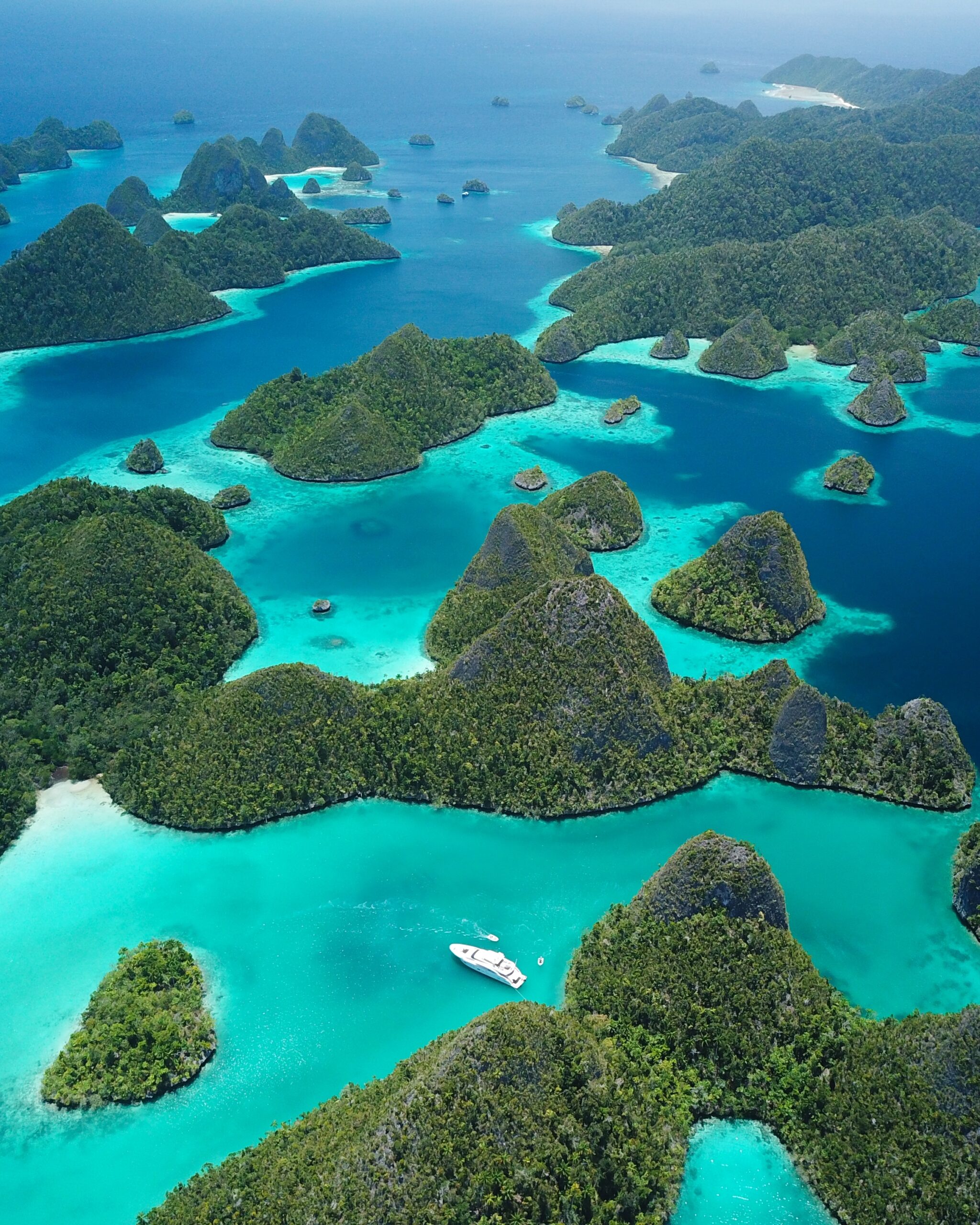
What makes the Philippines unusual, and increasingly valuable as a destination, is that its summer is not truly seasonal. The country’s geography means that somewhere in the archipelago, the sun is always warm and the water is always worth swimming in. When the habagat brings rain to Manila and the west coast, the east coast is bathed in sunshine. When Boracay enters its off-season, Siargao is peaking. The Philippine summer is a moving target, and following it across the islands is itself a kind of expertise that the country’s most dedicated travelers have quietly developed.
This perpetual summer is the country’s most underrated asset. In a world where the tourist calendar is increasingly disrupted by climate uncertainty, wildfires, and overtourism at the most famous destinations, the Philippine archipelago offers something rare: variety, resilience, and an almost inexhaustible supply of beautiful coastline waiting to be discovered, or rediscovered, or discovered again for the first time.
The light is out there right now, warm and generous and landing on the water somewhere. It will be there when you arrive. It will be there when you look out the window of your flight home, watching the islands grow small below you, already making plans to return. That is the endless Philippine summer. It does not wait for you. It simply continues, patient and radiant, knowing you will find your way back.