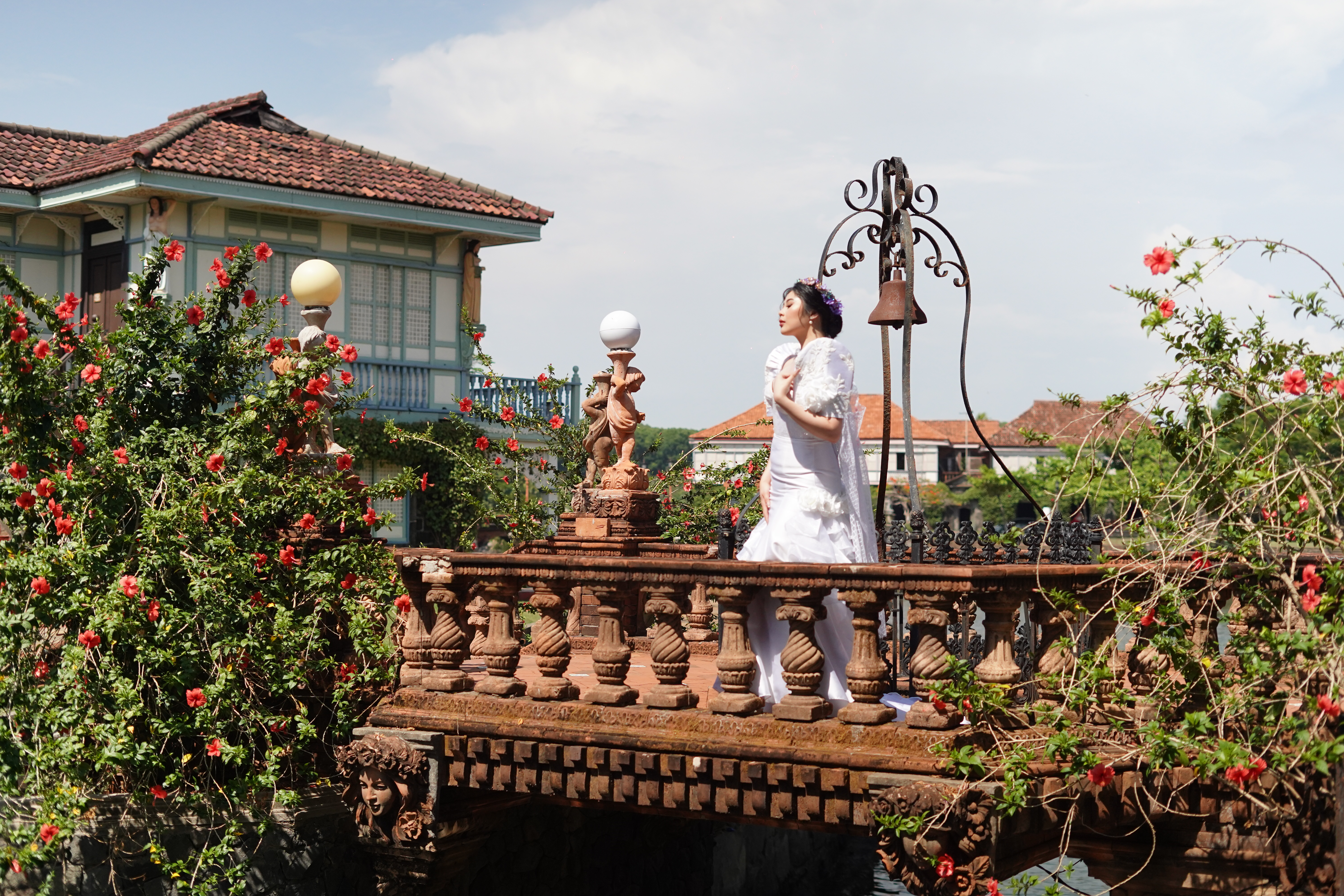

Travel light, but bring your curiosity. You’re about to set off on a journey across the Philippines, a sprawling archipelago bursting with hidden wonders that will change your idea of paradise forever. Each destination offers a new story, a new rhythm, and a new way to experience the magic of this vibrant land. Forget the usual tropical clichés. The Philippines is not just beaches and sunsets. It is a place that reshapes you from within and challenges your idea of what a getaway can truly be.
LIVING MUSEUM: WHERE EVOLUTION GOT CREATIVE
Start your journey in Palawan, often called the last frontier, where evolution seemingly set up a private laboratory and forgot to invite the rest of the world to see the results.
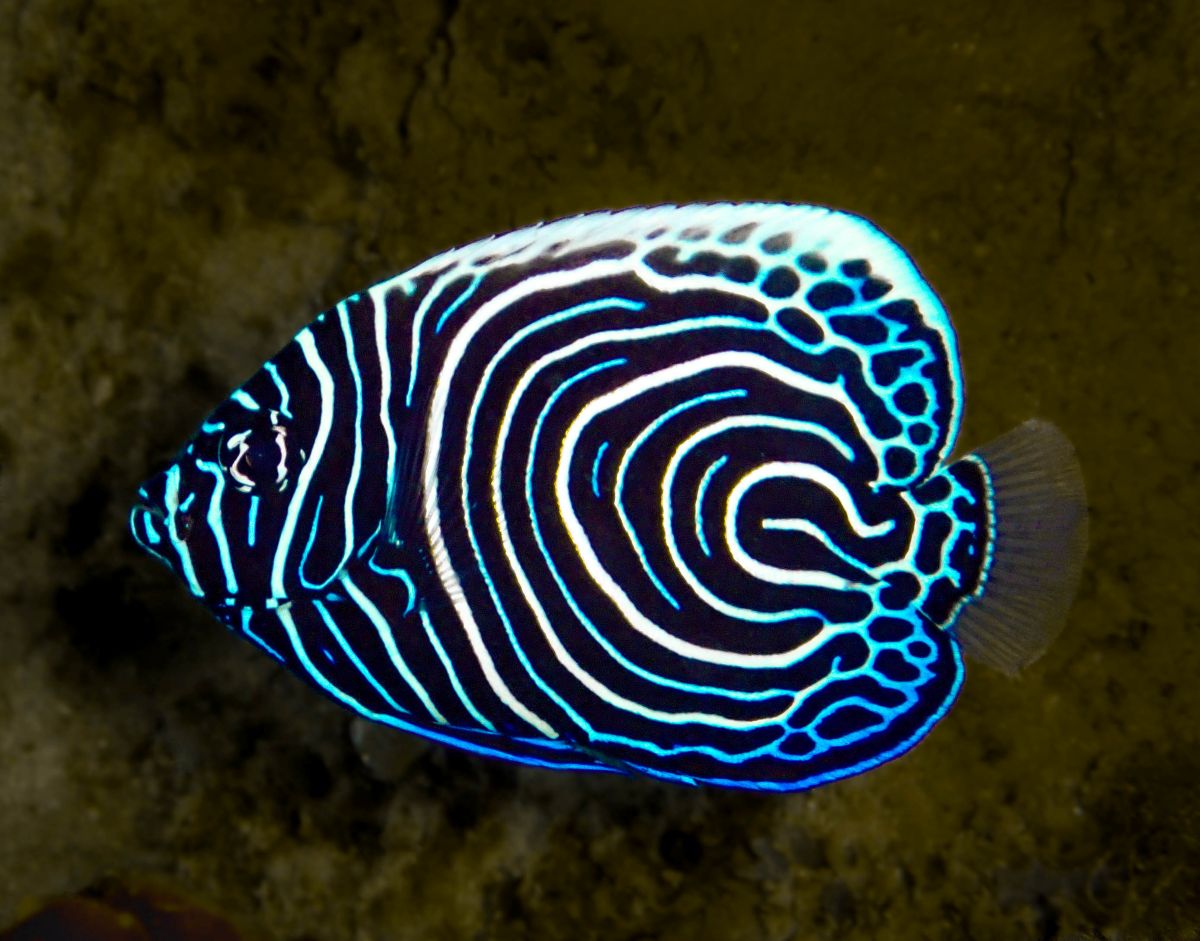
The Tubbataha Reefs Natural Park, accessible only by liveaboard dive boats, hosts the most biodiverse marine sanctuary in the region. Here, 600 fish species and 360 coral species create an underwater metropolis where whale sharks cruise like gentle giants and manta rays perform underwater ballet. But Tubbataha is just the opening act.
The Puerto Princesa Subterranean River winds 8.2 kilometers through limestone karst landscapes, harboring eight bat species and serving as a nursery for endangered marine life. The silence underground, broken only by the splash of paddles and occasional flutter of wings, provides an otherworldly meditation on nature’s architectural prowess.
Head north to Bohol, where the Chocolate Hills create one of Earth’s most surreal landscapes. These 1,268 perfectly conical hills, covered in grass that turns chocolate brown during dry season, stretch to the horizon like a vast geological chess set. But Bohol’s real treasure is the Philippine tarsier, weighing less than a tennis ball, with eyes larger than its brain and the ability to turn its head 180 degrees. The Tarsier Conservation Area in Corella protects these nocturnal primates, whose enormous amber eyes seem to hold ancient secrets.
Travel to Mindanao’s forests where the Philippine eagle rules as the world’s largest and most powerful bird of prey. With fewer than 800 individuals remaining, encountering one feels like receiving a blessing from the forest spirits. The Philippine Eagle Center in Davao provides sanctuary for these magnificent birds, whose feather crown and fierce golden eyes make them look like mythical creatures that accidentally wandered into reality.
In the waters surrounding Dumaguete, Apo Island Marine Reserve demonstrates how communitybased conservation can resurrect dead reefs. Local f ishing communities transformed degraded coral areas into thriving sanctuaries where sea turtles nest on black sand beaches and schools of jackfish create silvery tornadoes in the blue water.
The Cordillera mountains harbor the Ifugao rice terraces, carved 2,000 years ago and still functioning through ancient irrigation systems called “muyong.” These living landscapes support endemic bird species and traditional farming practices that UNESCO recognizes as both cultural and natural heritage. During planting season, the terraces mirror the sky so perfectly that walking among them feels like traversing clouds.
Move to the Visayas, where Negros Island hosts the largest population of Visayan warty pigs, found nowhere else on Earth. These forest dwellers, distinguished by their prominent facial warts and bristly manes, represent successful conservation efforts in the West Visayas State University’s breeding program. In Siargao’s mangrove forests, the Philippine crocodile, the world’s most critically endangered crocodilian, finds refuge in freshwater marshes.
Once numbering in the tens of thousands, fewer than 100 adults remain in the wild, making every conservation success a triumph against extinction. The Sulu Sea conceals the Jessie Beazley Reef, where dugongs graze in seagrass meadows like underwater cattle. These gentle marine mammals, relatives of elephants, can live over 70 years and serve as living indicators of ocean health.
NATURAL MASTERPIECES: THE COUNTRY THAT PERFECTED PARADISE
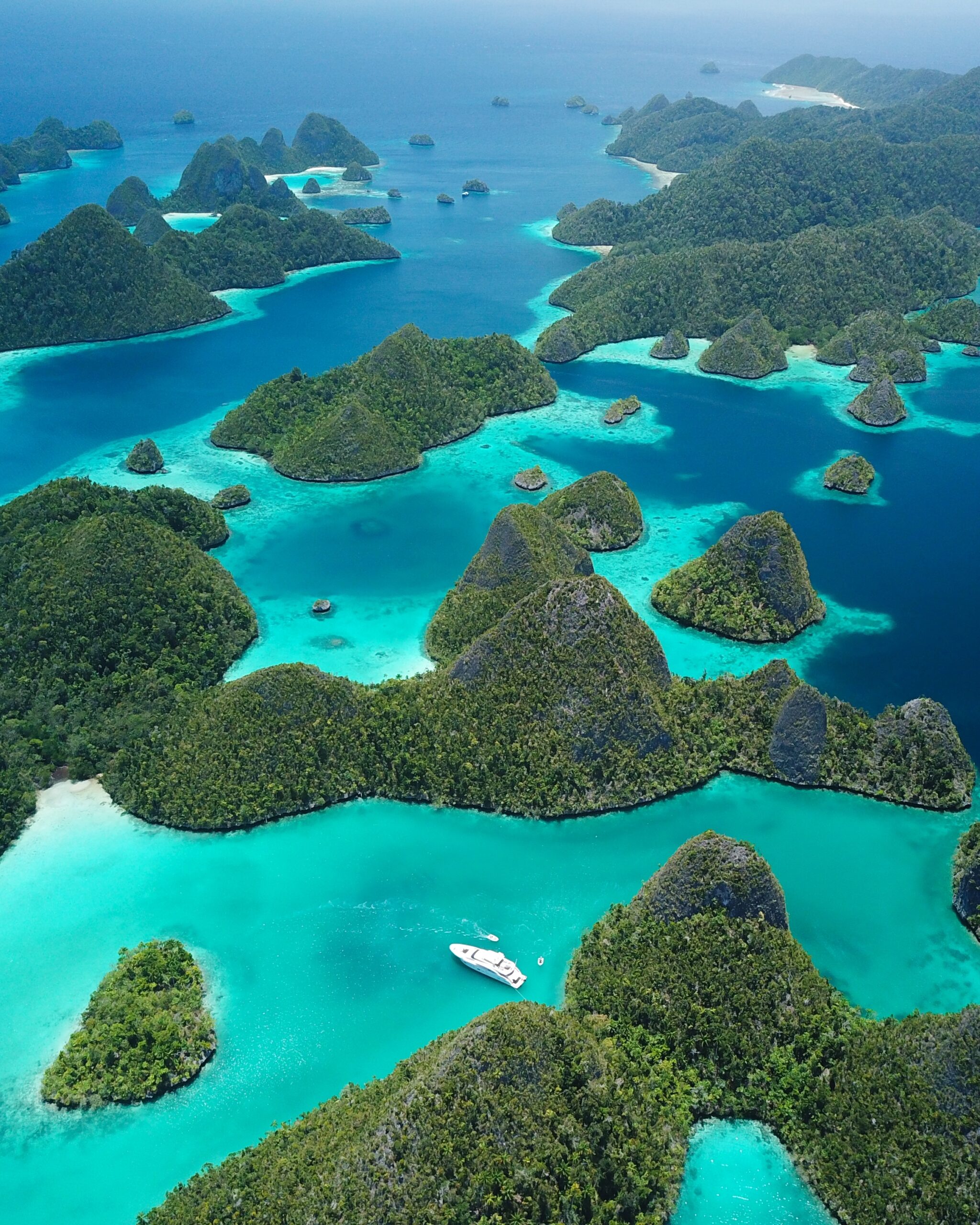
From Palawan, sail north to El Nido, where limestone karst formations rise from emerald waters like the fossilized dreams of ancient gods. The Big Lagoon and Small Lagoon, accessible only by kayak through narrow limestone openings, reveal hidden beaches where the only footprints belong to monitor lizards and hermit crabs. The water here achieves such transparency that boats appear to float on air rather than liquid.
Continue to Coron, where Japanese shipwrecks from World War II rest in crystal-clear waters, creating artificial reefs that teem with marine life. The Irako Maru, sitting upright at 43 meters depth, serves as home to schools of barracuda and sweetlips, transforming wartime tragedy into underwater sanctuary.
Fly to Luzon’s north, where the Banaue Rice Terraces cascade down mountainsides like green waterfalls frozen in time. Built entirely by hand using indigenous tools, these terraces represent humanity’s greatest collaboration with mountain geography. During golden hour, mist rises from the paddies while the last light of day turns water into mirrors reflecting the sky.

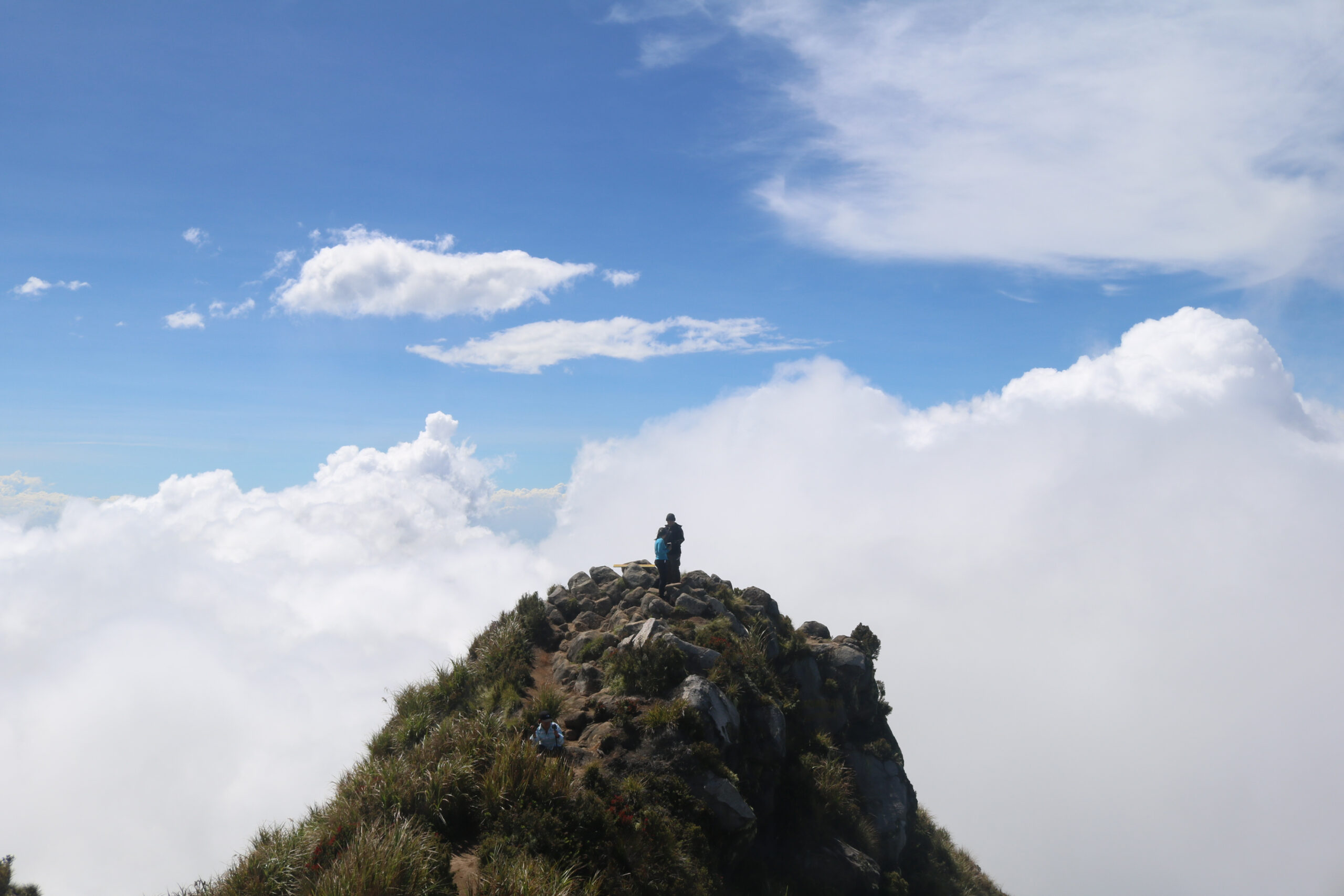
Head to Albay Province, where Mount Mayon displays volcanic perfection with its symmetrical cone rising 2,462 meters above coconut groves and rice fields. Local photographers gather at dawn in Legazpi City to capture the mountain’s silhouette against the sunrise, often finding it partially veiled in clouds that seem arranged by an artistic deity. Travel to Batangas, where Taal Volcano creates a lake within a lake within an island—a geological Russian doll that defies easy description.
The smallest active volcano in the world sits on Volcano Island in the middle of Taal Lake, which itself sits on the larger island of Luzon. The view from Tagaytay Ridge reveals this natural paradox in all its impossible beauty. Journey to Zambales, where the aftermath of Mount Pinatubo’s 1991 eruption created an alien landscape that’s slowly transforming into unexpected beauty. The crater lake, formed in the volcano’s collapsed summit, reflects sky in waters so blue they seem artificially enhanced. The trek to reach it crosses moonscapes of volcanic ash and lahar formations, making the lake’s pristine beauty even more startling.
In Bohol, the Loboc River winds through jungle landscapes where monitor lizards sun themselves on fallen logs and kingfishers flash electric blue as they dive for fish. River cruises pass through tunnels of bamboo and nipa palms while local musicians aboard floating restaurants provide soundtracks of traditional folk songs.
Visit Camiguin, the island born of fire, where seven volcanoes created black sand beaches and natural hot springs. The Sunken Cemetery, submerged during a volcanic eruption in 1871, now exists as Continue to Coron, where Japanese shipwrecks from World War II rest in crystal-clear waters, creating artificial reefs that teem with marine life.
The Irako Maru, sitting upright at 43 meters depth, serves as home to schools of barracuda and sweetlips, transforming wartime tragedy into underwater sanctuary. Fly to Luzon’s north, where the Banaue Rice Terraces cascade down mountainsides like green waterfalls frozen in time. Built entirely by hand using indigenous tools, these terraces represent humanity’s greatest collaboration with mountain geography. During golden hour, mist rises from the paddies while the last light of day turns water into mirrors reflecting the sky.
Head to Albay Province, where Mount Mayon displays volcanic perfection with its symmetrical cone rising 2,462 meters above coconut groves and rice fields. Local photographers gather at dawn in Legazpi City to capture the mountain’s silhouette against the sunrise, often finding it partially veiled in clouds that seem arranged by an artistic deity.
Travel to Batangas, where Taal Volcano creates a lake within a lake within an island—a geological Russian doll that defies easy description. The an underwater memorial marked by a large cross rising from the sea. Snorkeling here reveals coralencrusted tombstones and schools of tropical fish swimming through what was once a sacred ground.
Explore Siquijor, the mystical island where traditional healers still practice ancient arts passed down through generations. White sand beaches ring an island interior of century-old balete trees and hidden waterfalls like Cambugahay Falls, where multi-tiered cascades create natural infinity pools perfect for swimming.
Travel to Catanduanes, the “Happy Island,” where Puraran Beach hosts some of the Philippines’ best surfing waves. The Majestic Rolling Hills, covered in emerald grass, roll toward the Pacific Ocean like a tropical version of Ireland’s countryside.
End in the Batanes Islands, the Philippines’ northernmost frontier, where Ivatan stone houses withstand Pacific typhoons and rolling hills dotted with cattle create landscapes that seem transplanted from Scottish highlands. Sabtang Island’s traditional villages preserve architecture and customs virtually unchanged for centuries, while Marlboro Country’s grasslands stretch toward dramatic cliff-lined coasts.
FESTIVAL REPUBLIC: THE ARCHIPELAGO THAT NEVER STOPS CELEBRATING
Your cultural immersion begins in Cebu during Sinulog Festival, where two million people transform the entire city into a river of color and movement. The festival honors the Santo Niño with street dancing that continues for days, accompanied by drums that create a collective heartbeat audible from kilometers away. Hotels book solid a year in advance, and the phrase “Pit Señor!” becomes the city’s universal greeting, shouted with joy from every corner.
Travel to Kalibo for Ati-Atihan, the “Mother of All Philippine Festivals,” where social hierarchies dissolve as participants paint their faces with soot and dance with wild abandon. The festival traces to a 13th-century peace agreement between indigenous Ati people and Malay settlers, but today represents pure, uninhibited celebration. Street vendors sell face paint and feathered headdresses while entire families join impromptu dance parties that spill from sidewalks into main thoroughfares.

Head to Bacolod for MassKara Festival, born during the 1980s sugar crisis when city leaders decided to counter economic gloom with an explosion of smiling masks and street parties. The painted grins have become symbols of Filipino resilience, proof that joy can serve as resistance against despair. The festival’s competitive street dancing draws performers from throughout the Philippines, each group spending months perfecting elaborate costumes and choreography.
But Filipino celebration extends far beyond designated festivals. Every barangay (neighborhood) has its patron saint, and every patron saint deserves proper honor. This means that somewhere in the Philippines, every single day of the year, a community is hosting a fiesta complete with lechon roasting over coconut husks, karaoke competitions lasting until dawn, and basketball tournaments that draw spectators from neighboring provinces.
In Mountain Province, witness the Begnas Festival during rice harvest season, where Igorot communities perform traditional dances while dressed in hand-woven textiles that take months to complete. The cañao ritual includes the sacrifice of pigs and chickens, followed by communal feasting that strengthens tribal bonds and ensures spiritual protection for the coming year.
Visit Davao during Kadayawan Festival, where tribal communities from throughout Mindanao gather to showcase their distinct cultures through street dancing, traditional crafts, and exotic fruits before Spanish colonization. Performers blacken their skin with soot and wear minimal clothing decorated with geometric patterns while executing energetic dances that mimic hunting and warfare. Traditional arts remain vibrantly alive throughout the archipelago.
In Mindanao, the kulintang ensemble creates hypnotic music using a row of small bronze gongs, with rhythms that vary by ethnic group. T’boli women weave t’nalak textiles with patterns received in dreams from the goddess Fu Dalu, creating fabrics so sacred they’re used only for special ceremonies. The Spanish colonial legacy lives in stone churches scattered throughout the islands.
San Agustin Church in Manila, dating to 1587, survived earthquakes and wars while preserving centuries-old religious art. Miag-ao Church in Iloilo showcases baroque architecture adapted for tropical climate, with thick walls and elevated design that provide natural cooling. Filipino hospitality operates as a cultural imperative rather than tourist service. The phrase “kumain ka na ba?” (have you eaten?) serves as both greeting and invitation, ensuring no visitor remains hungry or lonely.
Families regularly set extra places for travelers they’ve known for minutes, and the concept of “stranger” dissolves faster than ice in tropical heat. Music runs through Filipino culture like blood through veins. From the haunting gongs of Mindanao to the heart-wrenching kundiman love songs that bring entire rooms to tears, the Philippines creates soundtracks for every feeling. Karaoke goes beyond entertainment because it is a social ritual that turns strangers into lifelong friends with a single performance of “My Way.”
CULINARY CARTOGRAPHY: MAPPING THE PHILIPPINES THROUGH FOOD
Begin your culinary journey in Manila, where adobo achieves its most refined expressions. At neighborhood carinderias (local eateries), each family guards secret variations passed down through generations. Some add coconut milk for richness, others prefer the dry Ilocano style with minimal sauce, while certain cooks swear by pineapple juice for subtle sweetness. The dish’s genius lies not displays. The festival’s highlight is the Indak-Indak sa Kadalanan street dancing competition, where performers wear elaborate costumes adorned with indigenous materials like abaca fiber, shells, and feathers.
Experience Iloilo’s Dinagyang Festival, where Ati warrior dances tell the story of early inhabitants in complexity but in perfect balance: vinegar for preservation and tang, soy sauce for umami depth, garlic for aromatics, and bay leaves for herbal notes that tie everything together.
Travel to Pampanga, the culinary capital, where sisig was born in the 1970s when Lucia Cunanan transformed pig face and liver into sizzling perfection. Served on cast-iron platters with calamansi and chili, sisig represents Filipino ingenuity in transforming humble ingredients into unforgettable flavors. The dish’s popularity has spread nationwide, with variations using tuna, tofu, or bangus (milkfish) for different dietary preferences.
Head south to Bicol, where coconut milk and chili peppers create a cuisine that’s simultaneously creamy and fiery. Bicol Express, despite its name referencing the region’s train line, weaponizes sili (chili) in coconut cream with pork or shrimp. The heat builds slowly, warming your entire body while the coconut provides cooling balance. Local cooks measure spice levels not by taste but by the amount of sweat produced.
Journey to Cebu, where lechon achieves legendary status through the CNT Lechon family’s closely guarded recipe. Their whole roasted pig, stuffed with lemongrass, tanglad, and secret spice blends, develops skin so crispy it shatters at first bite while the meat remains impossibly succulent. Celebrity chefs from around the world make pilgrimages to Cebu specifically to experience this lechon, often declaring it the best roasted pork they’ve ever tasted.
Explore Iloilo, where La Paz batchoy originated in the 1930s at Ted’s Oldtimer restaurant. This noodle soup combines fresh egg noodles with pork organs, crushed chicharron, and beef stock, creating a hearty bowl that locals swear can cure any ailment from heartbreak to hangovers. The dish’s richness comes from slow-cooked bones, while crispy toppings provide textural contrast.
Head to Dumaguete and taste silvanas, the iconic cashew meringue sandwiches filled with buttercream and rolled in crunchy cashew crumbs, born at Sans Rival Cakes and Pastries. These frozen delights slowly dissolve on your tongue, releasing city’s cool mountain breeze and its abundant harvest in every spoonful.
In Palawan, kinilaw reaches its purest expression using super-fresh catch from pristine waters. Raw fish gets “cooked” in coconut vinegar and calamansi juice, mixed with onions, ginger, and chili to create a dish that’s simultaneously light and intensely flavorful. The best kinilaw happens on beaches where fishermen prepare their catch within hours of landing.
Explore Mindanao, where Maranao cuisine showcases Muslim Filipino cooking traditions. Rendang, slow-cooked beef in coconut milk and spices, demonstrates the region’s connection to broader Southeast Asian flavors while maintaining distinctly Filipino characteristics. The cooking process can take hours, reducing coconut milk to concentrated richness that coats tender meat. Visit Bataan, where the original adobo sa gata adds coconut milk to the classic vinegar-soy base, creating a dish that’s simultaneously familiar and exotic. This variation demonstrates how Filipino cooks adapt foundational recipes to local ingredients and preferences, ensuring tradition remains alive while allowing for innovation.

Experience the vibrant street food culture that turns sidewalks into bustling open-air kitchens. Isaw, grilled chicken or pork intestines marinated in soy and calamansi, offers a smoky crust with a tender bite inside. Balut, a boiled duck embryo eaten straight from the shell, may test the squeamish but provides a protein-rich boost when dipped in salt, chili, and vinegar. Fish balls, kwek-kwek which are quail eggs in bright orange batter, and banana-que, deep-fried bananas coated in caramelized sugar, serve as affordable and flavorful snacks found on nearly every street corner.
End with Filipino desserts that defy international conventions. Halo-halo piles shaved ice with sweetened beans, jellies, ube ice cream, leche flan, and evaporated milk into organized chaos that tastes like heaven. Each spoonful delivers different textures and temperatures, creating an eating experience that’s as much about play as flavor. Ube, the purple yam, has become the unofficial color of Filipino desserts, its earthy vanilla-like flavor and a cascade of nutty sweetness that tells the story of Negros Island’s rich sugar legacy.
Travel to Davao, where durian season transforms the entire city into an aromatic adventure. The “king of fruits” challenges visitors with its pungent smell but rewards the brave with custard-like flesh that tastes like vanilla-almond heaven. Local hotels provide durian parties where guests can sample different varieties while learning proper eating techniques from Davao natives who consider durian rejection a personal insult.
Discover Baguio, where strawberry farms grow berries so sweet and bright they taste like pure sunshine. Hear the familiar call of “Taho!” drifting through the mountain air as vendors serve warm silken tofu topped with rich brown sugar syrup and fresh strawberries. This simple snack captures the striking violet hue transforming ice cream, cakes, and pastries into Instagram-worthy creations that taste even better than they photograph.
THE EQUATION OF ENCHANTMENT
The numbers only scratch the surface: a vast web of life, centuries of culture woven together, and a cuisine that transforms every bite into a story. The Philippines offers more than an escape. It promises a journey that changes how you see the world and what it means to belong.
This is not a visit. It is an invitation to become part of something greater where every stranger welcomes you like family, every sunset feels crafted for your soul, and the urge to explore one more island grows impossible to resist. Bring only your sense of wonder and openness. The Philippines waits quietly, ready to reveal a world where magic is real and every moment leaves a mark.