
Summer in the Philippines is not a line on the calendar. It is a feeling that arrives without warning, ushered in by the brightness of the morning sun or the sudden quiet of an afternoon nap. It lives in the scent of ripe mangoes, the sound of tricycles humming through sleepy towns, the taste of something cold and sweet savored beneath a cloudless sky.
More than heat or holidays, it is a shift in spirit — a collective softening of pace, a return to something essential. In a country defined by water, memory, and belonging, summer becomes less about weather and more about the way time opens, stretches, and lets us breathe.
Where Summers Begin and Never End
Ask any Filipino what summer feels like and you will not get a weather report. You will get a story. There was the summer when cousins came home from overseas and everyone slept on floor mattresses under one roof. There was the summer of first crushes on the basketball court, of dusty slippers on long walks home, of rain suddenly interrupting a sunny day in a way that felt magical instead of inconvenient.
These stories often begin in childhood but rarely stay there. They travel forward, imprinted on adulthood. They live in the scent of sunblock, the sound of water lapping against a banca, the feel of ice cracking in a glass of gulaman. The beauty of a Filipino summer is that it is not a place in time. It is a cycle of return.
The Language of Light and Escape
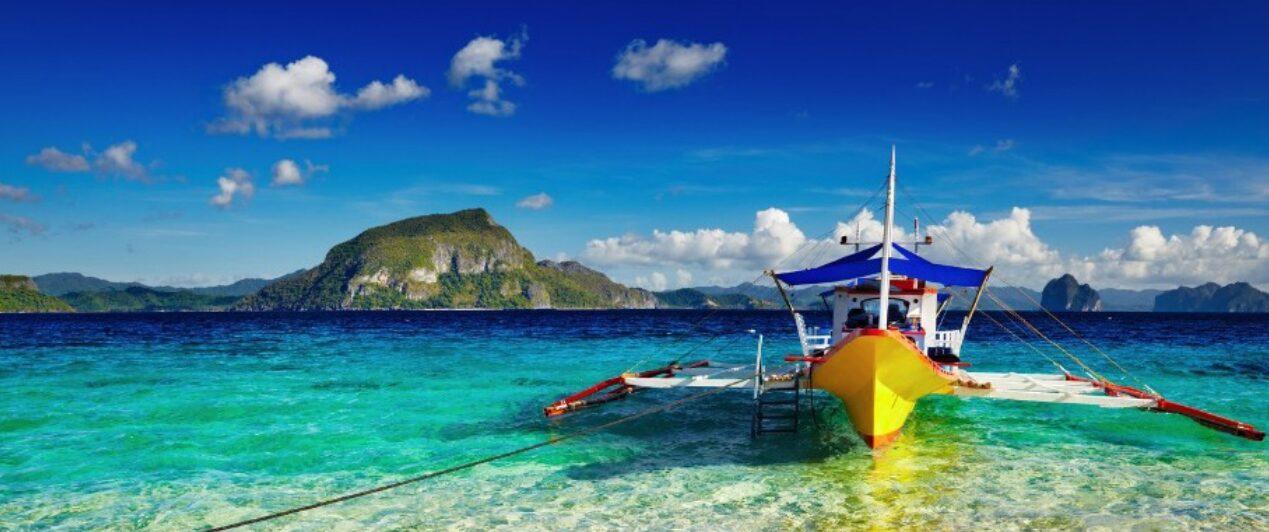
There is a particular quality to summer light in the Philippines. It is golden without being harsh, lingering without overstaying. It wraps itself around memories and magnifies them. And it does something else too. It encourages escape. Escape not only from city traffic and deadlines but from the burdens of formality and constraint.
Psychologically, lightness loosens us. Studies suggest sunlight improves emotional regulation and fosters openness. In a society already anchored in community and warmth, this becomes amplified. Filipinos smile more in summer, linger longer at tables, share stories in a way that feels both ceremonial and effortless. There is an intimacy that summer invites, where even silence feels like connection.
Water as Origin and Return
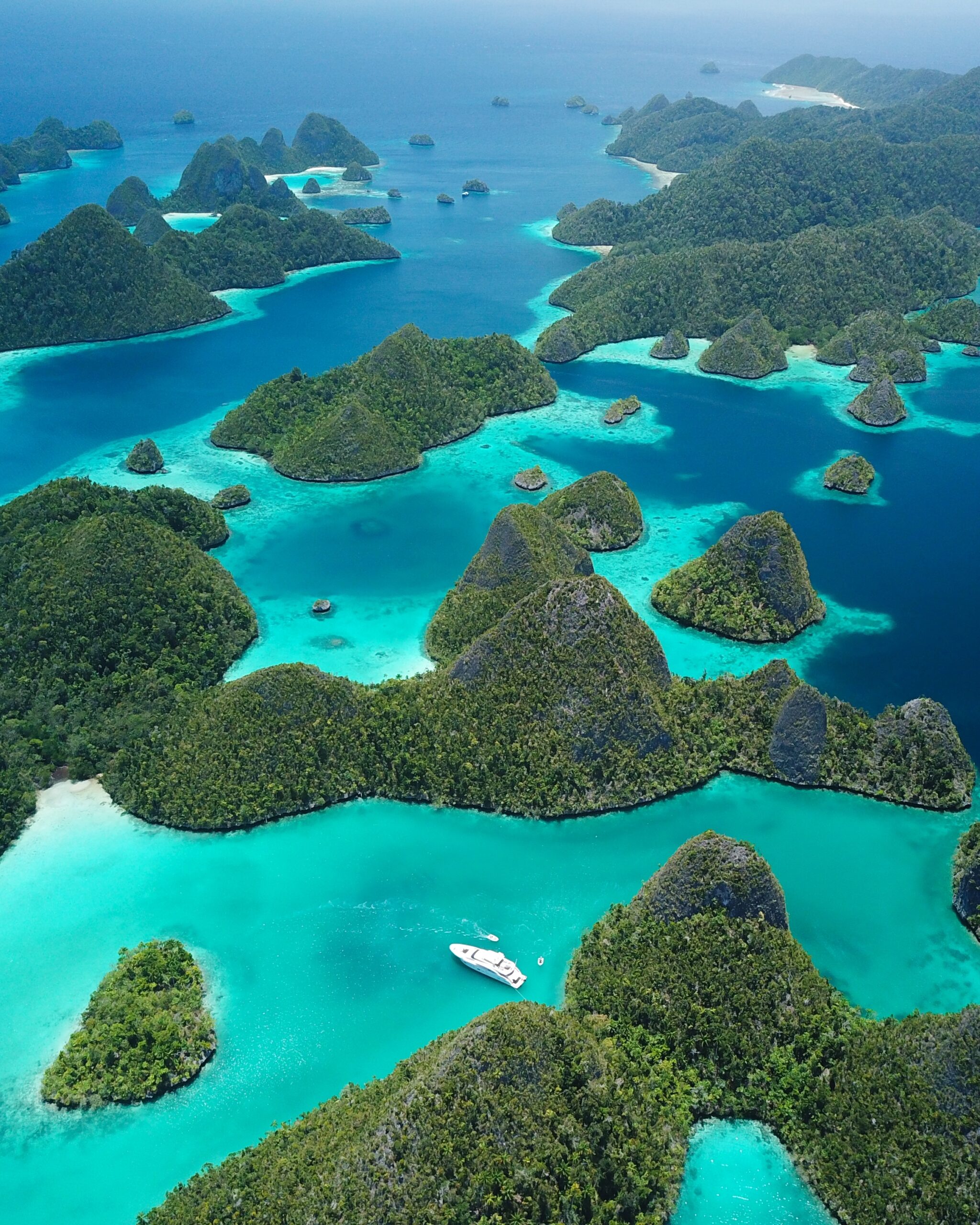
The Filipino relationship with water is not recreational. It is ancestral. From rivers that fed the earliest settlements to shorelines that raised entire generations, water has always been a home. Summer intensifies this pull. Whether it is a family trip to Panglao or an impromptu dip in the barangay stream, bodies seek water as a natural act of remembering.
There is no proper Filipino summer without water. Not because of heat alone, but because it mirrors the soul. Moving, changing, generous. At the beach, time feels suspended. Schedules give way to tides. Children dig their names into the sand while grandparents sit under trees with thermoses of iced salabat. The water holds it all. The joy. The nostalgia. The simplicity.

The Sacredness of Slowness
Summer reintroduces slowness into Filipino life, and with it, presence. While the rest of the year is marked by motion and productivity, summer gives permission to pause. The rhythm of the day shifts. Breakfasts are longer. Afternoons are quieter. Conversations stretch lazily into twilight.
This slowness is not idleness. It is restoration. It allows for observation. Of dragonflies in rice fields. Of shadows shifting on ancestral walls. Of the way time moves differently when we are truly paying attention. In provinces, this slowness is not a choice but a tradition. It is in the act of shelling peanuts for merienda. In folding laundry on bamboo chairs. In storytelling that begins after dinner and ends only when the last mosquito has been swatted away.
The Ritual of Going Home
Every summer, there is a ritual migration. Families pack themselves into buses, vans, ferries. Routes become ceremonies. Coolers filled with baon. Bags heavy with pasalubong. The journey is rarely about luxury. It is about presence. It is about going back to places where roots are deeper than roads.
The return to the province is one of the most enduring rituals of the Filipino summer. It is the opposite of tourism. It is not about escape but about restoration. Children meet cousins. Grandchildren meet stories. Homes open that have waited all year to be lived in again. It is in these homes, under galvanized roofs and beside coconut trees, that summer becomes most real. Not as spectacle but as soul.
Fiestas and the Pulse of Community
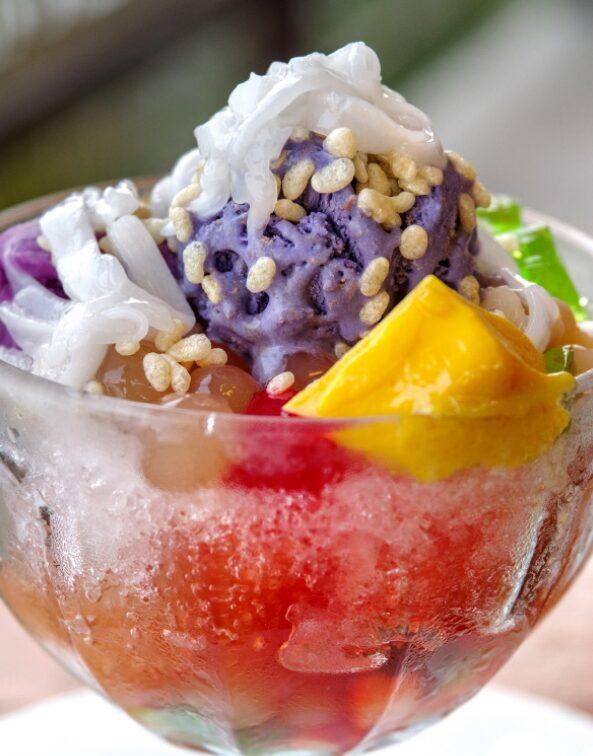
Summer in the Philippines has its own sound. Brass bands. Church bells. Firecrackers. Karaoke. Roosters crowing under buntings. These are not background noise. They are heartbeat. Especially during fiesta season, when whole barangays dress themselves in color and celebration.
A fiesta is not a party. It is an affirmation. Of faith, yes, but also of survival, family, identity. Streets become kitchens. Strangers become neighbors. Food multiplies without logic. Dancing happens without instruction. Whether in honor of a patron saint or simply tradition passed down, these celebrations give summer its spirit. They remind Filipinos that joy, like grief, is better when shared.
City Heat and the Art of Adaptation
In Metro Manila and other urban centers, summer does not arrive quietly. It blares through glass buildings and congested intersections. Yet even here, the season finds a way. People adapt with creativity. Malls become playgrounds. Weekend markets bloom in parking lots. Cold drinks become rituals. Parks fill with students, vendors, lovers under umbrellas.
City summers require a different kind of surrender. Not to silence, but to softness. The small joys become louder. Street food stalls that stay open longer. Bookstores where the air conditioning feels sacred. Old songs on jeepney radios that suddenly feel like summer anthems. Even in the sprawl of buildings and wires, the season leaves its mark.
New Forms of the Familiar
The Filipino summer is evolving. It is shaped now by algorithms and airline seat sales. Beach trips are booked through apps. Memories are filtered in real time. There is a generation that knows Boracay more through drone shots than family lore. But beneath this layer of digital polish, the essence remains.
Families still gather. Friends still travel in groups that feel like extensions of the self. Young people still crave water and wind and moments that make them feel limitless. Whether through island-hopping or road trips to places that smell of ancestral kitchens, summer is still the best excuse to live more vividly.
A Season That Lives Within
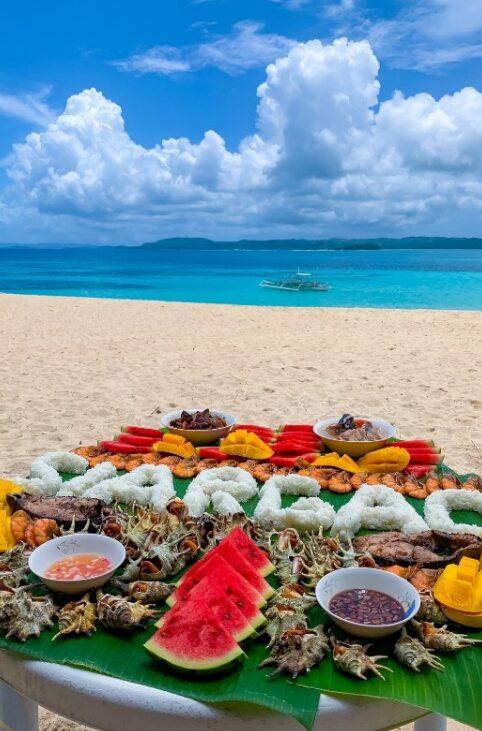
The power of the Filipino summer lies not in where it takes you but in what it brings back. It is memory. It is instinct. It is inheritance. The moment you step into the sun and feel your shoulders drop, your breath slow, your heart open, you are returning. Not just to childhood, not just to nature, but to the most honest parts of yourself.
That is why summer here is more than a cultural event. It is a mirror. A reminder of what it means to live with joy as a daily practice, not just a seasonal indulgence. To eat fruit with your hands. To nap with the windows open. To laugh until you are breathless. To feel, deeply and without apology.
Summer Is Always Calling
Wherever you are in the country, whether your summer is framed by mountains or malls, by silence or street noise, there is always an invitation waiting. An invitation to step outside, slow down, and remember that you belong to a place that understands beauty not as luxury but as rhythm.
The Filipino summer does not ask you to chase anything. It asks you to notice. And in that noticing, it offers something rare and beautiful. A chance to live, not harder, but truer.