Baguio City: Still the summer capital, still worth the drive.
Summer in the Philippines is not only a beach story. For those who know where to drive, the highlands offer a different kind of magic: cold mornings, pine-scented air, and the particular peace that comes from being far above the noise.
There is a moment, somewhere on the ascent into the Cordillera or the highlands of Bukidnon or the ridges above Tanay, when the temperature drops noticeably and something in your body responds before your mind catches up. The shoulders relax. The breathing slows. The noise of wherever you came from begins to feel genuinely far away. This is the gift that the Philippine highlands offer, and in a country so rightly celebrated for its beaches and coastlines, it remains one of the most underappreciated travel experiences available to anyone willing to trade sea level for altitude.
Summer in the Philippines at elevation is its own season entirely. While the lowlands shimmer in heat and the resort towns fill with beachgoers, the highlands settle into a cool, unhurried rhythm that feels like the rest of the country has forgotten to keep up. Strawberries ripen in the mountain soil. Clouds move through pine forests at eye level. The sunsets, viewed from a ridge or a resort terrace with a sweater on, are among the most quietly spectacular in the archipelago.
BAGUIO: THE ORIGINAL COOL
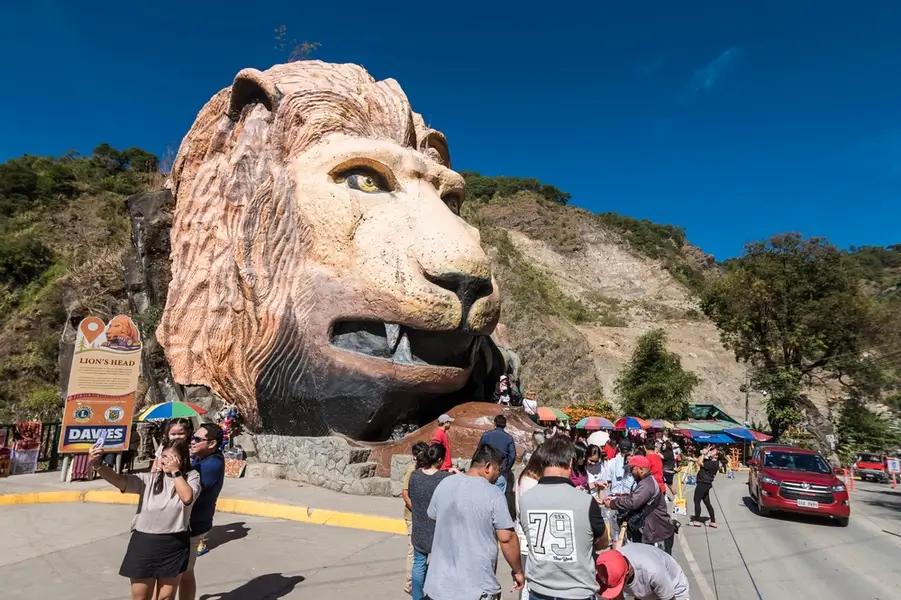
No conversation about Philippine highland travel begins anywhere other than Baguio. The City of Pines has been the country’s summer capital in the truest sense since the American colonial period, and its appeal has only deepened with time. Burnham Park on a cool morning, the chaotic warmth of the public market where vendors sell strawberry jam and woven goods side by side, the long colonial-era roads lined with trees that shed light differently at this altitude. Baguio is familiar to almost every Filipino and yet it keeps giving something new to whoever returns.
The city’s food culture has grown considerably in recent years, with a generation of young Baguio chefs and cafe owners drawing on Cordilleran ingredients and flavors to produce something genuinely exciting. Pinikpikan prepared with care, local coffee roasted at elevation, desserts built around the strawberries the region is famous for. Eating well in Baguio in 2026 is easier and more rewarding than it has ever been. The mountain resort hotels, some of them long-standing institutions, others newly opened boutique properties, offer rooms where the blankets are not decorative.
SAGADA: SILENCE AS A DESTINATION
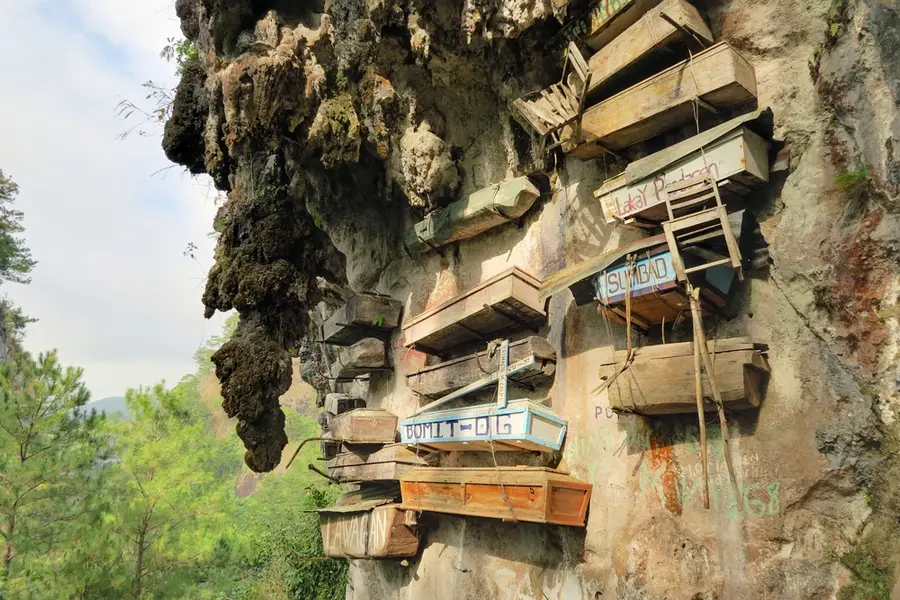
Further into the Cordillera, past the rice terraces of Banaue and through roads that demand respect, Sagada occupies a category of its own. This is not a destination for the traveler in a hurry. Sagada rewards patience and punishes itineraries. Its hanging coffins clinging to limestone cliffs, its cave networks, its sunrise views that require an early departure in the dark and pay back every inconvenience with interest. The town itself is small, the accommodation simple, and the quality of stillness on offer is something that cannot be manufactured by even the most ambitious resort developer.
For balikbayans who grew up hearing about Sagada as a place of pilgrimage for the Philippine traveler, finally making the trip is often a milestone. Many who go once make quiet plans to return before they have even come back down the mountain.
TANAY AND THE RIDGES ABOVE METRO MANILA
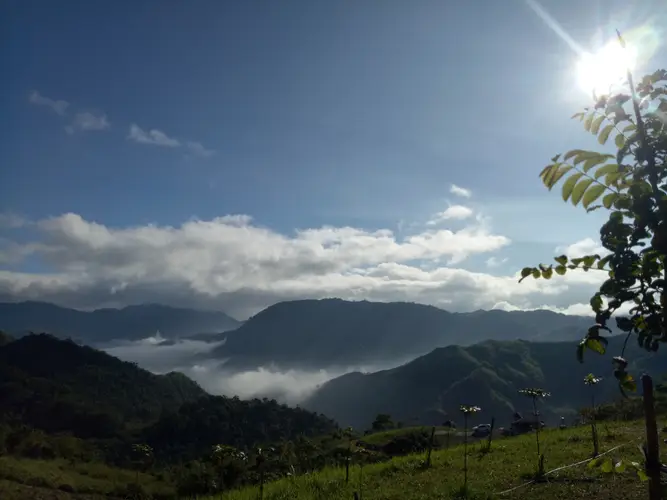
Not every highland escape requires a long-haul journey. Tanay in Rizal has become the weekend answer for Metro Manila residents who need altitude and air and cannot spare more than a day and a half to find it. The drive from the city takes under two hours, but the transformation upon arrival is immediate. Rolling hills, camp sites, and a growing cluster of mountain resorts that range from the charmingly rustic to the genuinely luxurious make Tanay one of the most accessible cool escapes in Luzon. On a clear morning, the view across the ridgeline toward Laguna de Bay is the kind of thing that makes people reconsider whether they actually need to live in a high-rise.
BUKIDNON: MINDANAO’S GREEN ROOF
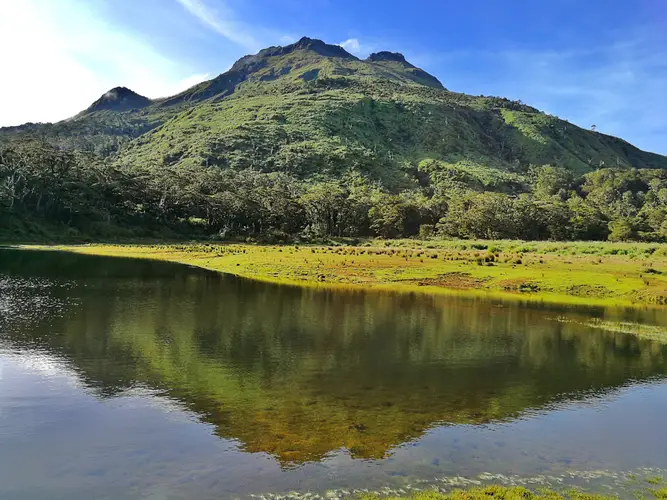
In Mindanao, the highlands of Bukidnon offer something on a grander scale entirely. This is plateau country, vast and green and agricultural, where pineapple fields stretch to the horizon and the air carries the clean chill of elevation all year long. Del Monte’s storied pineapple plantations share the landscape with cattle ranches, indigenous Lumad communities, and a growing number of eco-tourism destinations that are beginning to receive the attention they have long deserved.
The mountain resorts of Bukidnon, several of them built around the natural topography of the plateau with views that stretch across multiple provinces, offer a highland experience that feels genuinely wild without being inaccessible. For travelers who want cool air, green landscapes, and the sense of being somewhere that the tourist trail has not yet fully standardized, Bukidnon remains one of the most rewarding discoveries in the Philippine highlands.
The Philippines’ highlands are the country’s best-kept open secret, known to every Filipino and somehow still underestimated. They are the proof that this archipelago contains multitudes: that a nation of islands is also a nation of mountains, and that the endless Philippine summer is not only measured in sand and salt, but in cool air, green ridges, and the particular quiet that waits for you above the clouds.