
In the Philippines, the New Year does not simply arrive. It is welcomed, encouraged, and sometimes even coaxed into bringing good fortune. At midnight, the air fills with fireworks, laughter, pots clanging, coins jingling, and families gathered around tables glowing with food and meaning. What outsiders may call superstition is, in truth, a cultural love letter to hope. Filipinos celebrate the New Year with the belief that joy is not just something that happens. It is something we actively invite.
WHERE ALL THE BELIEFS COME FROM
Filipino New Year customs did not come from one place. They are layered, like a table full of dishes from different provinces. Long before Spanish colonization, early Filipinos practiced rituals for cleansing and renewal at turning points in the year. Centuries later, Chinese traders introduced symbols of prosperity, including round fruits and lucky colors. Spanish influence then structured the holiday calendar around Christian observance. What we have now is a celebration where prayers, folk beliefs, and family tradition all blend seamlessly.
So when Filipinos make noise to ward off bad spirits, or when we arrange twelve fruits for twelve lucky months, we are not simply repeating habits. We are expressing a worldview where the future can be shaped through intention, humor, and heart.
WHY THE NOISE MATTERS
The Filipino New Year is famously loud. Fireworks crackle. Car horns blare. Children scream with delight. Families clang spoons against metal cookware. The noise is believed to scare away misfortune and make room for vitality. In a cultural sense, noise symbolizes life. To welcome the new year quietly would feel like letting it slip past without confidence. The sound says, very simply: we are here, we are together, and we are ready.
DRESS FOR THE LIFE YOU WANT
Clothing also carries meaning. Polka dots are worn because round shapes represent coins. Red is favored because it suggests energy, luck, and cheer. Some people wear something new to encourage a fresh start. Whether or not one believes these symbols literally, the act of dressing with care signals that the new year is special and full of possibility.
THE MAGIC OF THE MIDNIGHT TABLE
Media Noche, the feast at the stroke of twelve, is filled with symbolism. Round fruits invite abundance. Pancit suggests long life. Lechon or roasted meats symbolize celebration and victory. Sticky rice encourages families to stick together through difficulties. The table becomes a vision of the coming year: full, warm, shared, and hopeful.
JOY THAT TRAVELS ACROSS OCEANS
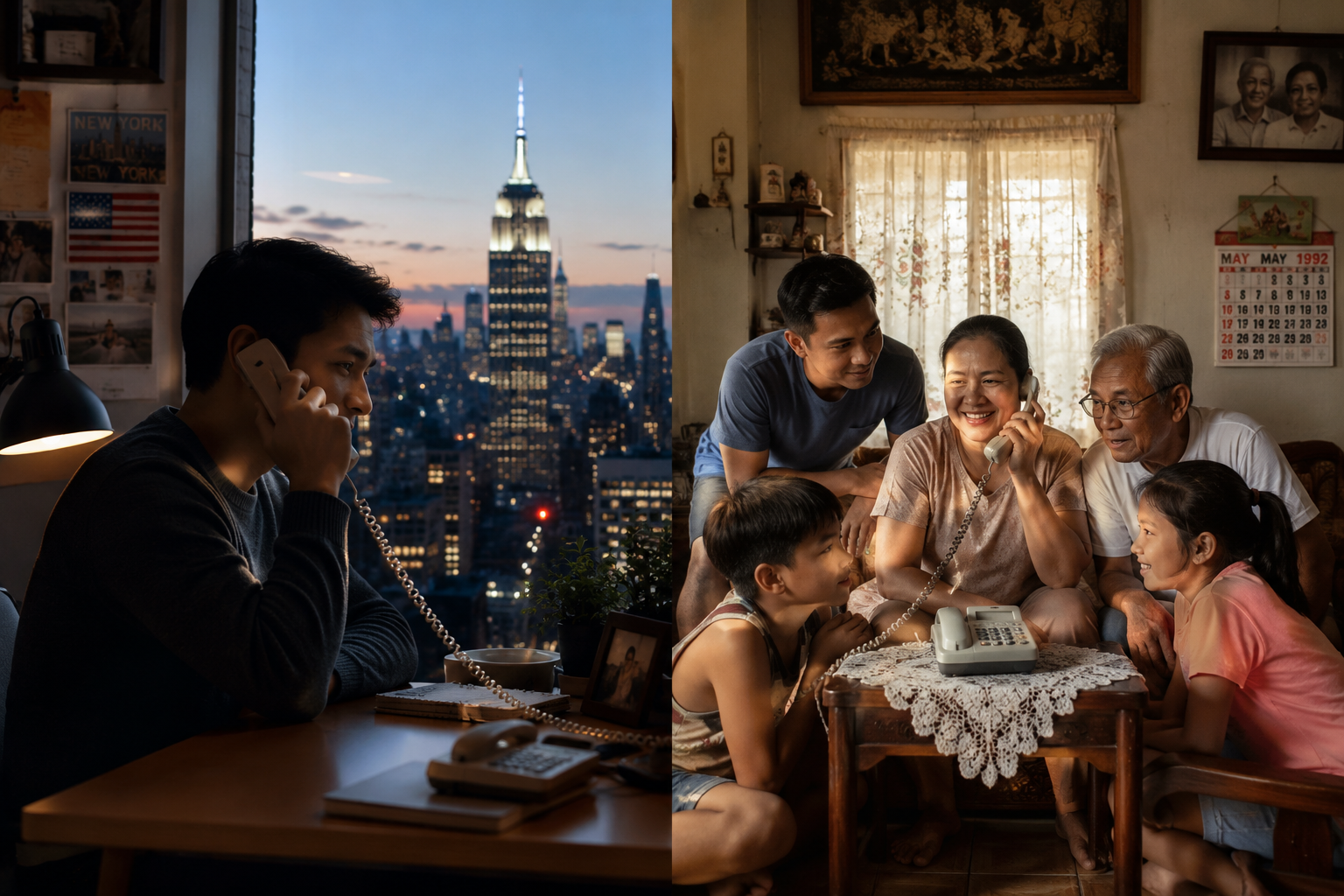
Even far from home, overseas Filipinos recreate these traditions in dormitories, apartments, staff housing, and shared kitchens. The dishes may be substituted and fireworks may be replaced by video calls, but the intention remains the same. These rituals allow Filipinos to carry home within themselves.
Filipino New Year traditions continue not because everyone takes them literally, but because they feel good. They turn hope into something you can hear, taste, and share. They remind us that happiness multiplies when celebrated together.