In an era where smartphones and tablets are as common as toys, Filipino parents face a unique challenge: how to preserve the rich tapestry of childhood traditions that have shaped generations while embracing the digital world. This delicate balancing act is crucial for maintaining cultural identity and values in a rapidly changing society.
Digital Dilemma
The Philippines, known as the “social media capital of the world,” has seen a dramatic shift in how children spend their time. Gone are the days when streets were filled with kids playing traditional games like patintero or sipa. Today, many young Filipinos find entertainment through mobile games and social media platforms.
While technology offers numerous benefits, including educational opportunities and global connectivity, it also threatens to overshadow the simple joys and important life lessons embedded in traditional Filipino childhood experiences.
Treasured Traditions Worth Preserving
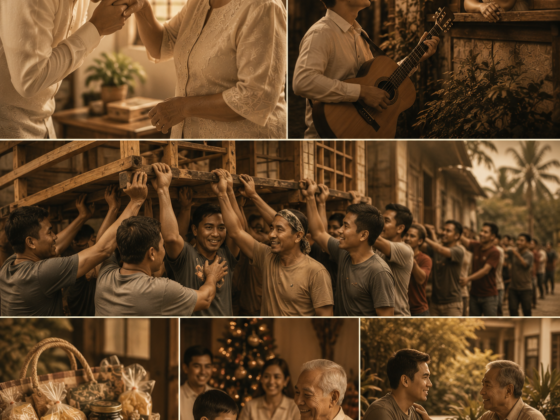
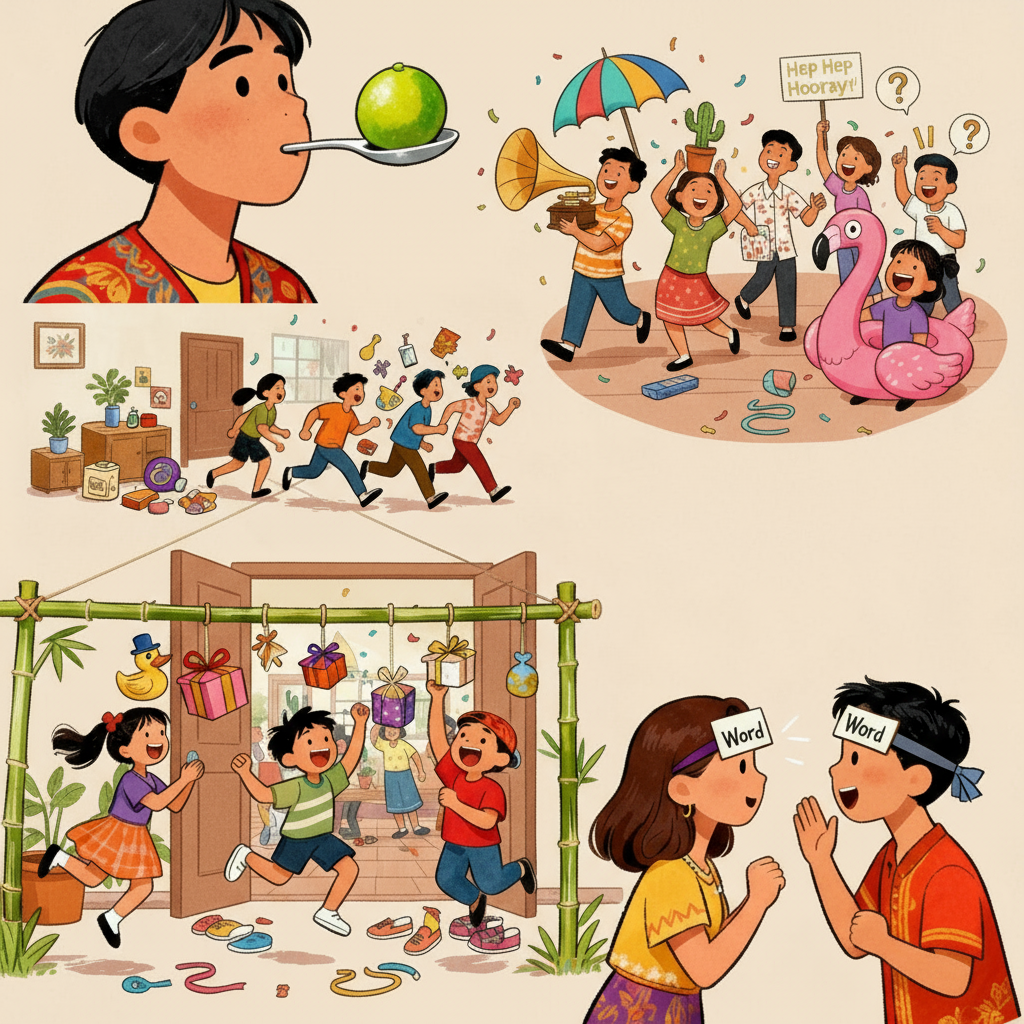
Several key traditions stand out as particularly important to maintain. Mano Po, the gesture of respect where younger people gently press their forehead against an elder’s hand, teaches values of humility and reverence for wisdom. Traditional games such as tumbang preso, piko, and luksong tinik not only provide physical exercise but also foster teamwork and strategic thinking.
Storytelling, the oral tradition of sharing folklore, myths, and family histories, helps maintain intergenerational bonds and cultural knowledge. Family mealtimes, the practice of eating together often with extended family, reinforce the importance of familial bonds in Filipino culture. Fiesta celebrations, community gatherings for fiestas, teach children about cooperation, generosity, and the importance of shared cultural experiences.
Blending Old and New
Preserving traditions doesn’t mean shunning technology. Instead, creative approaches can blend the best of both worlds. Parents and educators can use digital platforms to organize neighborhood games, bringing children together for traditional outdoor activities. Creating apps or online resources that teach traditional Filipino games, stories, and customs in an interactive format can make cultural learning more engaging for tech-savvy youth.
Encouraging “tech-free” hours during family gatherings can help focus on face-to-face interactions and traditional practices. Using social media to share and celebrate instances of children participating in cultural traditions can create positive reinforcement and inspire others to do the same.
Success Stories
Across the Philippines, families and communities are finding innovative ways to keep traditions alive:
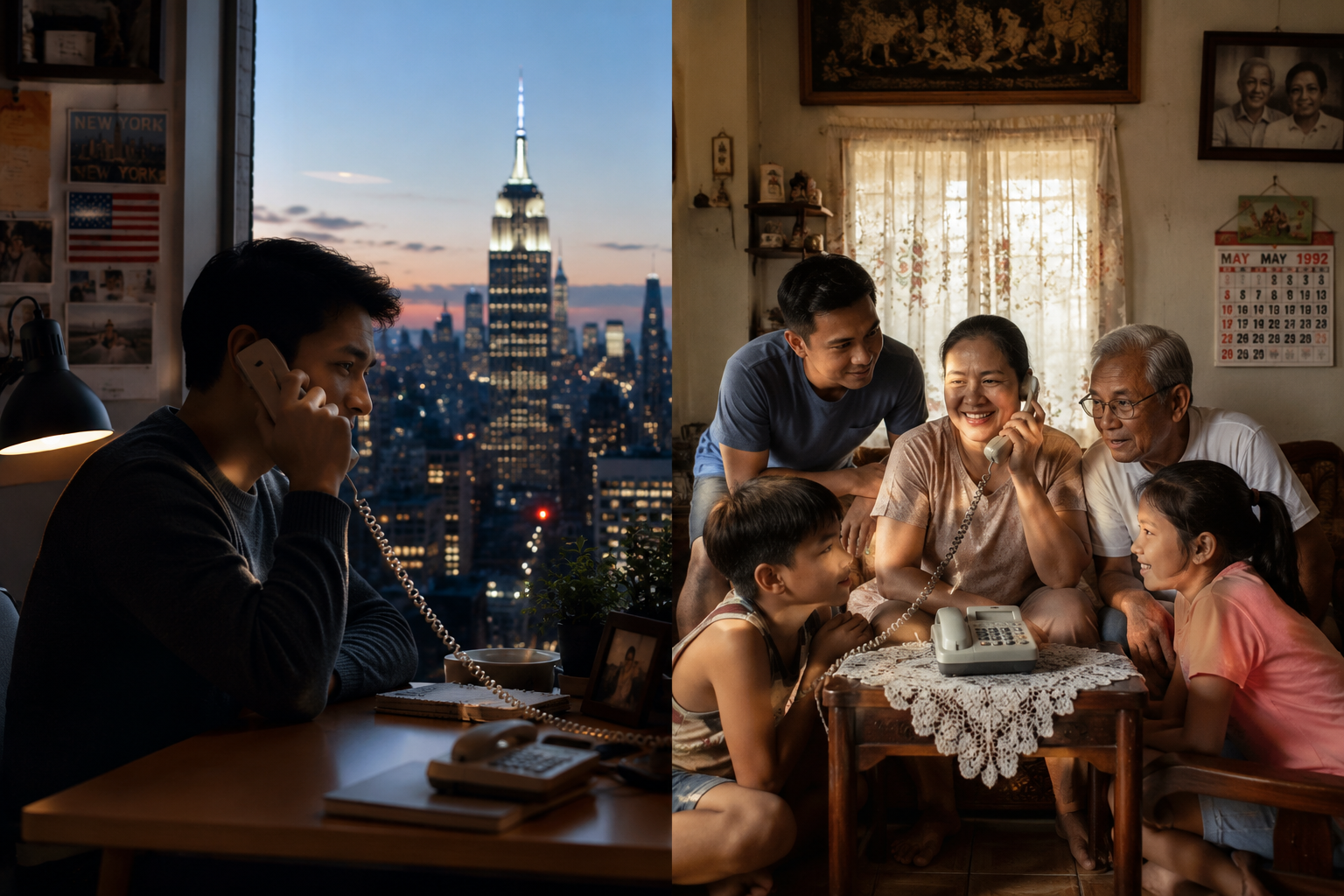
In Quezon City, a local cultural center has launched a “Digital Bayanihan” program, where elders use video calls to teach traditional crafts, songs, and stories to young people. This initiative not only preserves cultural knowledge but also bridges the generational digital divide, fostering connections between youth and elders.
The Department of Education has incorporated traditional Filipino games into the physical education curriculum, ensuring that even urban children learn these cultural touchstones.
Several Filipino app developers have created digital versions of traditional stories and games, making them accessible to tech-savvy youth while preserving their essence.
The Value of Cultural Heritage
As we navigate the digital age, it’s crucial to remember that cultural traditions are more than just pastimes—they are the threads that weave the fabric of Filipino identity. By preserving these childhood traditions, we ensure that future generations have a strong sense of who they are and where they come from, even as they embrace the opportunities of the modern world.
The challenge for Filipino parents and educators is not to choose between tradition and technology, but to find ways for both to coexist and complement each other. In doing so, we can raise children who are both culturally rooted and globally competitive—a generation that carries the best of Filipino heritage into the digital future.