
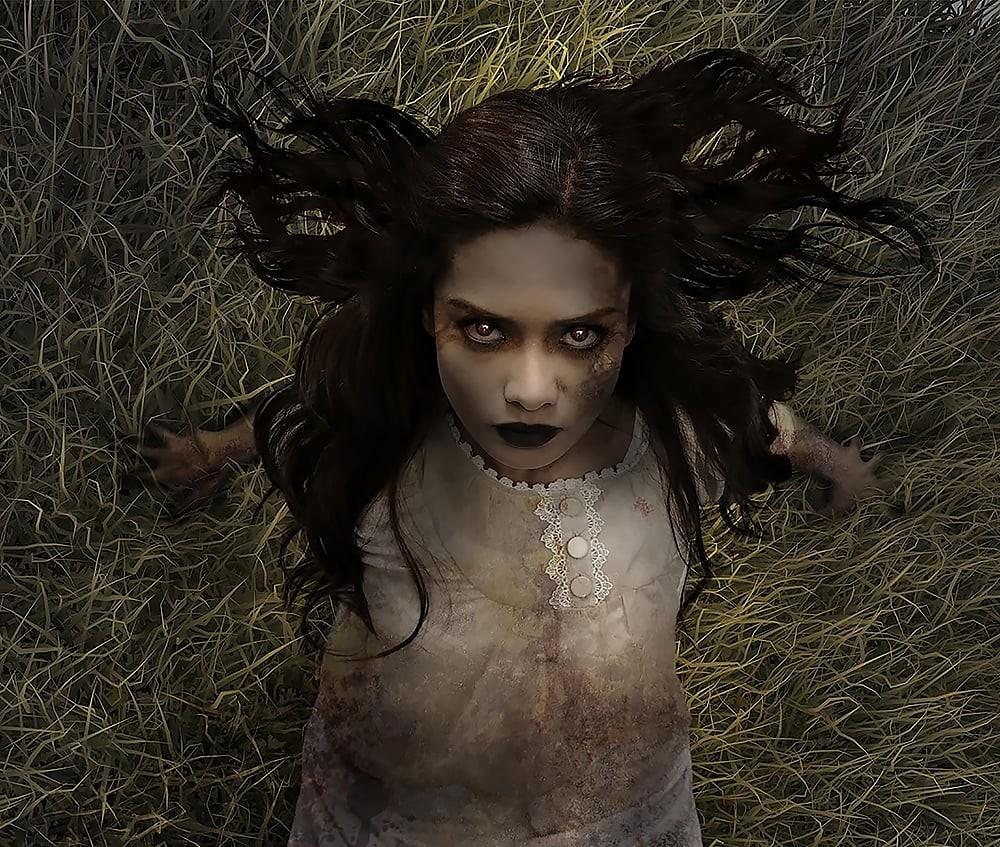
Aswang, a legendary creature in Filipino folklore, is a shape-shifting monster known for preying on humans, especially at night. The aswang remains one of the most feared and enduring figures in Philippine mythology. Illustration by Ian Balba
In the depths of Philippine nights, when the moon casts strange shadows through banana groves and ancient mango trees, the creatures of Filipino folklore come alive. From shape-shifting viscera-suckers to diminutive smoking men, these beings have terrorized and fascinated generations of Filipinos, creating a bestiary unlike any other in Southeast Asia. These creatures, born from pre-colonial animistic beliefs and shaped by centuries of cultural evolution, continue to capture imaginations and influence contemporary Filipino culture.
Masters of Transformation
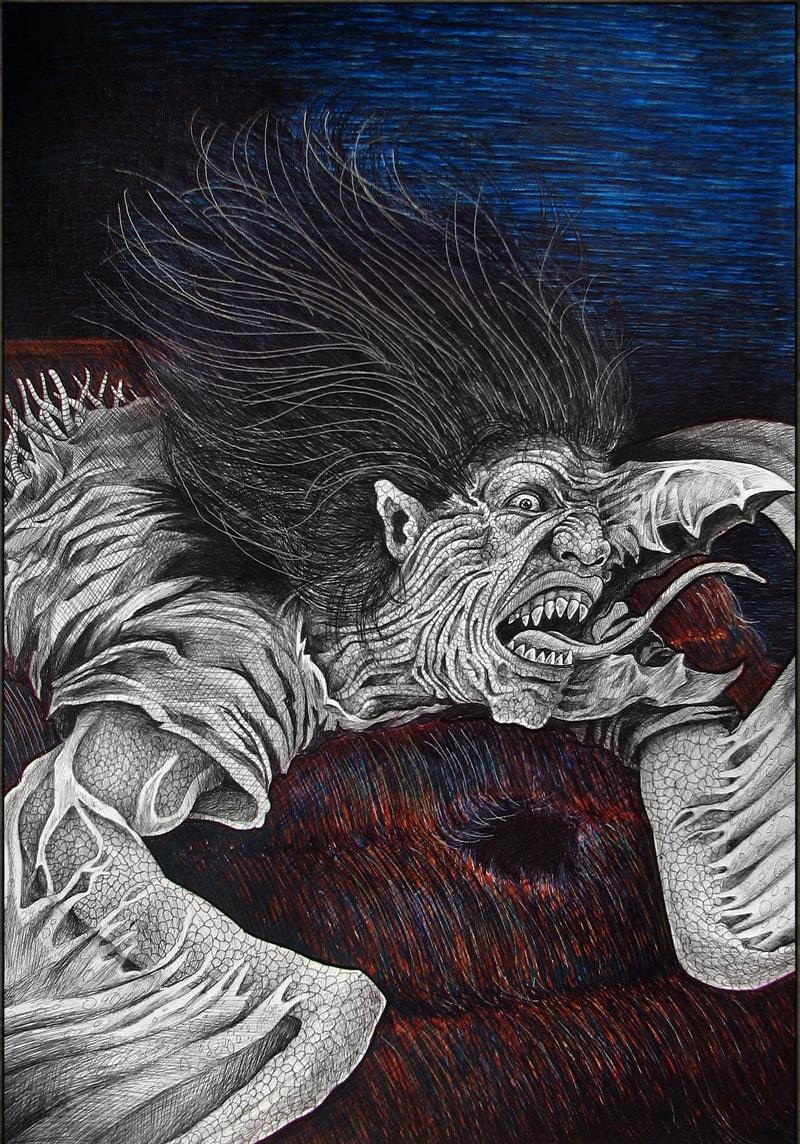
Perhaps most infamous among Filipino creatures is the Aswang, a shape-shifting monster that hunts at night. Unlike the straightforward monsters of Western mythology, the Aswang is a complex being that appears human by day – often as an unremarkable neighbor or friend. By night, however, it transforms into various horrific forms, most commonly a large black dog or bird, seeking out its preferred prey: unborn children and the sick. The Aswang’s ability to blend into human society speaks to deep-seated cultural fears about betrayal and the unknown lurking within familiar spaces.
The Manananggal, a subset of the Aswang, presents an even more grotesque transformation. This creature appears as a beautiful woman who can split her body in half, with the upper portion flying into the night using bat-like wings. The lower half remains standing, making the Manananggal uniquely vulnerable – if one can find and salt its lower portion, the creature cannot rejoin and will perish at dawn.
The Forest Dwellers
The Philippine jungle harbors its own distinct collection of mythological beings. The Kapre, a giant dark-skinned creature that sits in enormous trees smoking tobacco, is more mischievous than malevolent. Standing several meters tall and leaving the scent of tobacco in its wake, the Kapre is known for getting travelers lost in the woods, though it can be friendly to those who respect its domain.
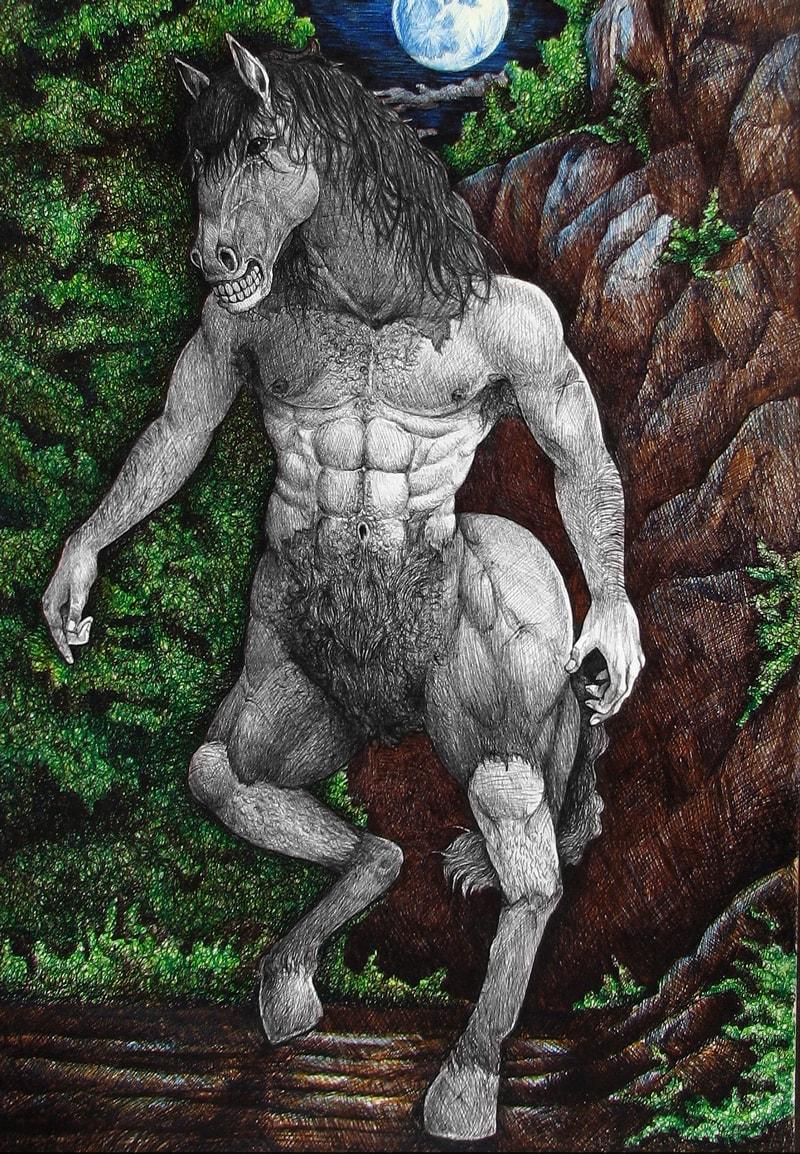
The Tikbalang, a creature with a horse’s head and a human body, also haunts the forests. This being delights in leading travelers astray, making them walk in circles until they lose their way completely. Traditional lore suggests wearing one’s shirt inside out to break the Tikbalang’s confusing spell – a practice some older Filipinos still observe when traveling through dense forests.
Household Spirits and Diminutive Tricksters
Not all Filipino mythological creatures dwell in forests or hunt at night. The Nuno sa Punso, often translated as “old man of the mound,” inhabits anthills and other earthen mounds. Despite its small size, this creature demands respect – those who disturb its home must politely ask permission or risk illness and misfortune.
The Duwende, similar to European gnomes, come in both benevolent and malevolent varieties. These small creatures can either help or harm household residents, depending on how they’re treated. Many Filipino homes still maintain practices meant to appease these beings, such as saying “tabi-tabi po” (please excuse me) when throwing water or walking in areas where they might dwell.
Water World Denizens
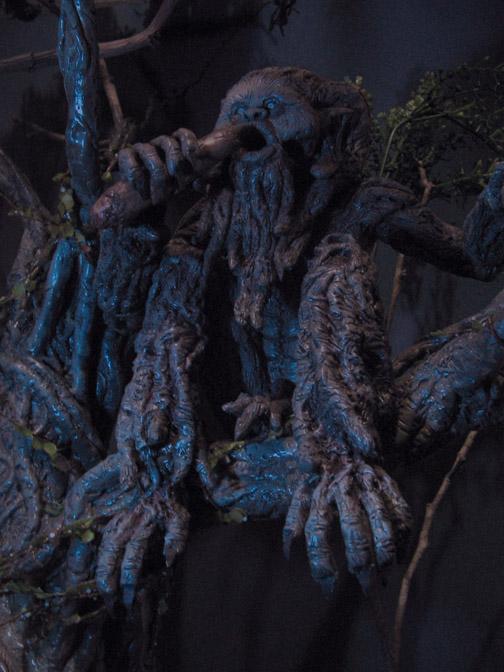
The waters surrounding and within the Philippine archipelago host their own mysterious inhabitants. The Siyokoy, with their fish-like features and algae-covered bodies, are said to drag unwary swimmers to underwater kingdoms.
The Sirena holds a special place in Filipino mythology, distinct from their Western mermaid counterparts. These enchanting creatures, with the upper body of a beautiful woman and the tail of a fish, are often spotted combing their long, flowing hair with golden combs near coastal rocks during twilight hours. While some tales paint them as benevolent beings who help lost fishermen find their way home, others tell of Sirena who use their hypnotic voices to lure men to their doom. Their male counterparts, the Siyokoy, are typically depicted as more aggressive and territorial.
Filipino folklore tells of the Kataw, another sea creature similar to the Sirena but known for being more vicious. Unlike the sometimes-helpful Sirena, Kataw are known to deliberately capsize small fishing boats and drag their victims to the depths.
In rivers and streams, the Tambaloslos terrifies night travelers with its huge head and tiny body, while the mysterious Berberoka is said to drain small ponds to catch fish and unwary humans. These water creatures reflect the Filipino people’s deep connection to their maritime environment and the dangers that lurk beneath seemingly peaceful waters.
A Pantheon of Other Beings
The Philippine bestiary includes countless other fascinating creatures worth noting:
The Tiyanak appears as an innocent baby crying in the forest but transforms into a sharp-toothed monster when picked up by well-meaning travelers. This creature particularly reflects anxieties about infant mortality in traditional Filipino society.
The Batibat is a nightmare spirit that sits on the chests of sleeping victims, particularly those who sleep in new wooden houses. It is said to be the spirit of trees cut down for lumber, seeking revenge on those who disturbed its home.
The White Lady, while a more modern addition to Filipino folklore, has become deeply embedded in urban mythology. Nearly every old building, ancient road, or dark bridge in the Philippines has its own White Lady story, with the most famous being the Balete Drive White Lady in Quezon City.
The Wakwak, a bird-like creature that makes a distinctive “wak-wak” sound, is believed to be another variation of the Aswang. It’s said to hunt for victims at night, its sound growing fainter when it’s actually closer – a detail that adds to its frightening nature.
The Santelmo, appearing as balls of fire or lightning, are believed to be spirits of the dead who died in tragic circumstances. Unlike many other creatures, they are often seen as neutral beings, neither particularly malevolent nor benevolent.
Modern Manifestations
While belief in these creatures has waned in urban areas, their influence on Filipino culture remains strong. Contemporary Filipino horror films, literature, and art regularly feature these beings, often reimagining them for modern audiences. Video games, comics, and social media have become new vehicles for these ancient tales, ensuring their survival in the digital age.
These creatures also serve as powerful metaphors for modern concerns. The Aswang’s ability to hide in plain sight resonates with anxieties about trust in modern society, while stories of forest creatures like the Kapre align with environmental conservation messages.
The Psychology of Fear and Respect
What makes Filipino mythological creatures particularly fascinating is their psychological complexity. Unlike simple monsters that merely frighten, these beings often embody moral lessons about respect, community values, and human behavior. They remind people to respect nature, maintain social harmony, and honor traditional customs.
More than mere bogeymen, Filipino mythological creatures represent a complex understanding of the world where the natural and supernatural coexist. In a nation where ancient beliefs blend seamlessly with modern life, these creatures continue to evolve, finding new relevance in each generation. They remind us that in the Philippines, the line between reality and myth remains delightfully thin, and that sometimes, the strangest stories carry the deepest truths.