In a country made up of more than 7,000 islands, travel has always been part of everyday life. While flying is often the fastest way to get from one place to another, there is something uniquely meaningful about traveling by sea. It is not just about reaching your destination. It is about experiencing the journey itself.
For many Filipinos, sea travel brings a sense of nostalgia. It recalls family trips during school breaks, long holidays, or even the quiet excitement of watching the shoreline slowly fade as the ship pulls away from port. Today, it remains a practical and often overlooked way to explore the country, offering a different kind of adventure that goes beyond convenience.
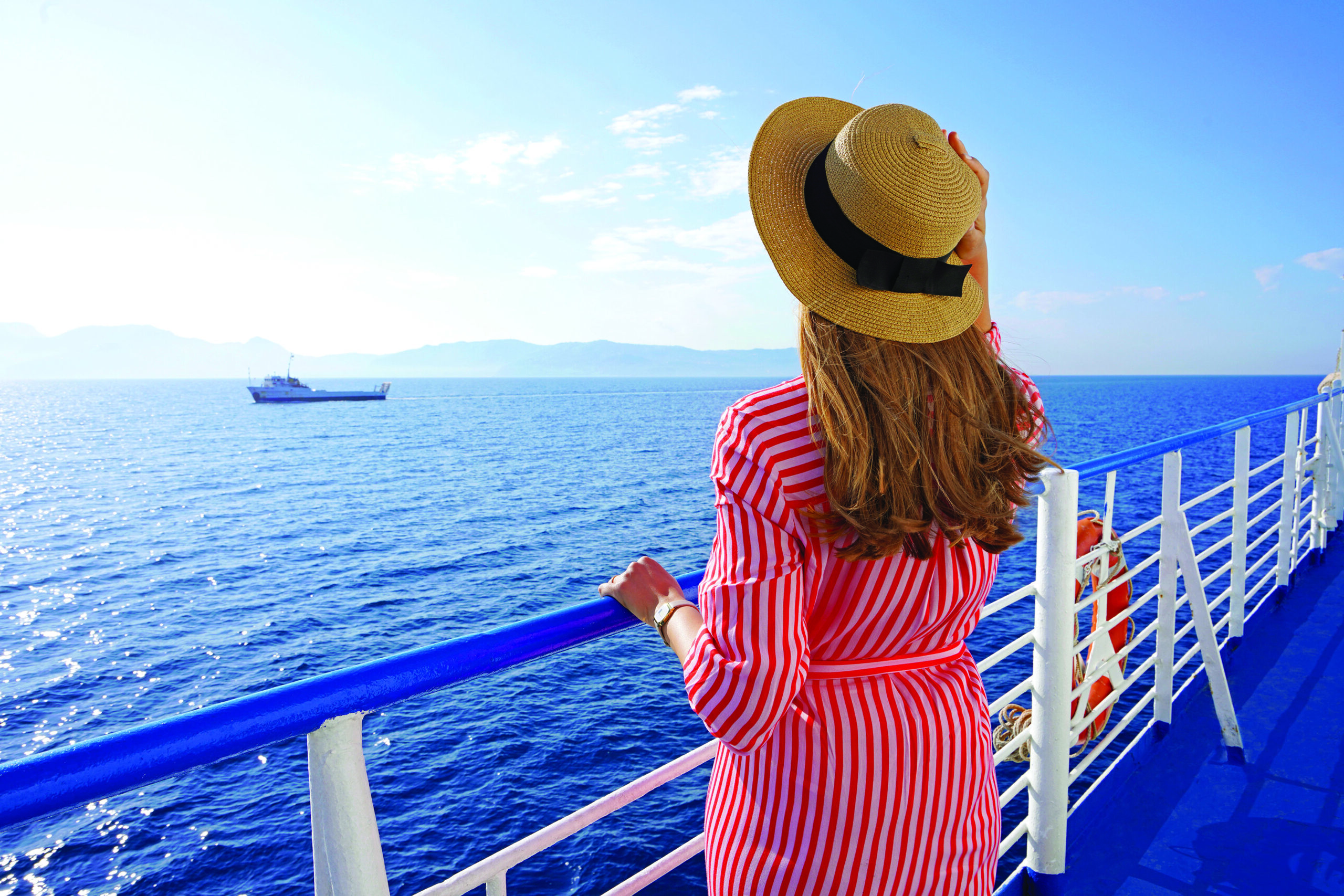
Unlike air travel, which is often rushed and structured, sea travel allows you to slow down. There is time to settle in, walk around, and take in your surroundings. You can stand on deck and watch the waves stretch endlessly, catch a sunrise over open water, or see islands appear on the horizon.
This slower pace creates space to unwind. Instead of the stress of tight boarding times and limited movement, you have the freedom to relax, read, or simply enjoy the view. For many travelers, this makes the journey feel like part of the vacation, not just a step to get through.
ACCESS TO KEY ISLAND DESTINATIONS
Sea routes connect many major islands across the Philippines, making it possible to travel between key destinations without stepping on a plane. Popular routes link Metro Manila to provinces such as Cebu, Iloilo, Bacolod, Cagayan de Oro, and Davao. These journeys open up opportunities to explore regions rich in culture, food, and natural beauty.
For example, a sea trip to Cebu offers access to historic landmarks and world-class diving spots. Traveling onward to Iloilo or Bacolod introduces you to heritage towns and some of the country’s best culinary traditions. Heading south to Mindanao gives travelers a chance to experience a different side of the Philippines, from bustling cities to serene coastal communities.
Because ships carry both passengers and cargo, they also play a vital role in connecting families and supporting local economies across islands.
One of the biggest advantages of sea travel is flexibility. Travelers are typically allowed to bring more luggage compared to flights, making it ideal for long stays, balikbayan boxes, or group trips. Families traveling together often find it easier to manage their belongings without worrying about strict baggage limits or additional fees.
Accommodations on board also vary. From budget-friendly shared spaces to private cabins, there are options to suit different needs and comfort levels.
While sea travel is often more affordable than flying, its value goes beyond price. It offers time, space, and perspective. It allows travelers to move at a different rhythm, one that feels more connected to the places they are visiting.
In a fast-paced world where travel is often about efficiency, choosing to go by sea can be a refreshing alternative. It reminds us that sometimes, the best journeys are not the quickest ones, but the ones we truly experience along the way.
For those looking to rediscover the Philippines from a new point of view, the sea offers a path that is both familiar and full of possibility.