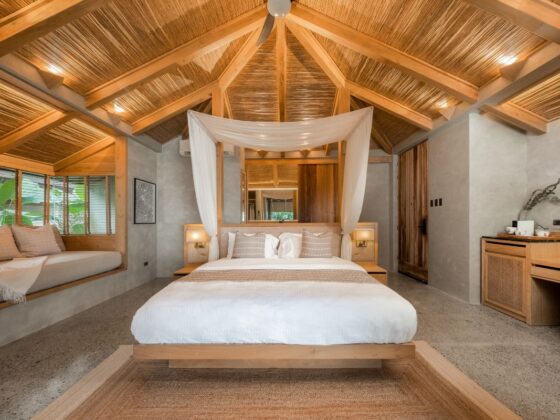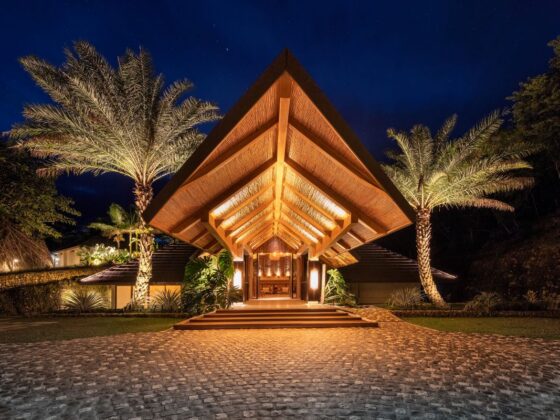
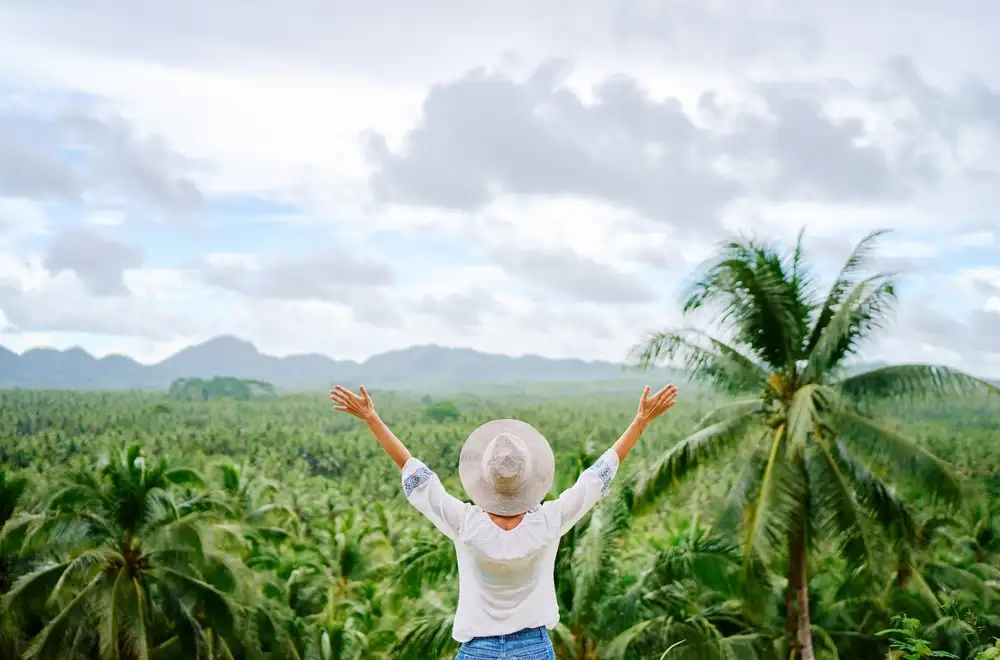
Siargao, Surigao Del Norte
At some point, without quite noticing when it happened, you stopped feeling things fully. Not in a dramatic way. Not in a way anyone around you would clock. You still showed up. You still replied to messages and met deadlines and said you were fine when people asked. But somewhere between the alarm going off and the last scroll before sleep, something quieted inside you that used to be loud.
Maybe it was a breakup that did not announce itself properly, just slowly withdrew until one morning the absence was all you could feel. Maybe it was the kind of exhaustion that sleep cannot fix, the kind that builds in the chest from years of being useful and capable and present for everyone except yourself. Maybe you cannot even name it. You just know that you need to go somewhere. Not to escape, exactly. More like to remember.
The Philippines has always known how to hold people who arrive carrying things. The country is built for it, not by design but by nature, by the particular mercy of landscapes so alive and unhurried that your nervous system has no choice but to stop bracing. The sea does not care about your inbox. The mountains have been here longer than whatever is breaking your heart. There is something quietly instructive about standing inside that kind of scale.
These are not itineraries. They are invitations.
SIARGAO, SURIGAO DEL NORTE
Siargao works slowly. That is the whole point. The island moves at the pace of tides and coconut trees, and it takes about two days before you stop checking the time. Surfers come for the waves but stay for something harder to name, a particular quality of afternoon light, the way strangers become familiar over shared meals, the sensation of being fully inside your body again after months of living only in your head. The road between Cloud 9 and the lagoons is one of the most disarming stretches of Philippine landscape you will ever sit quietly in. Go when you are burned out. Stay until you feel bored in the best possible way.
BATANES, CAGAYAN VALLEY
There is nowhere in the Philippines that asks more of you emotionally than Batanes. The rolling hills above Batan Island, the stone houses that have survived centuries of typhoons, the way the wind comes in from the Pacific without apology, it all adds up to something that feels less like a vacation and more like a reckoning. People who go to Batanes tend to cry at some point and cannot fully explain why. The landscape simply has that effect. It puts things in proportion. Whatever you were carrying when you landed feels different by the time you leave, not lighter necessarily, but more honestly held.
PALAWAN
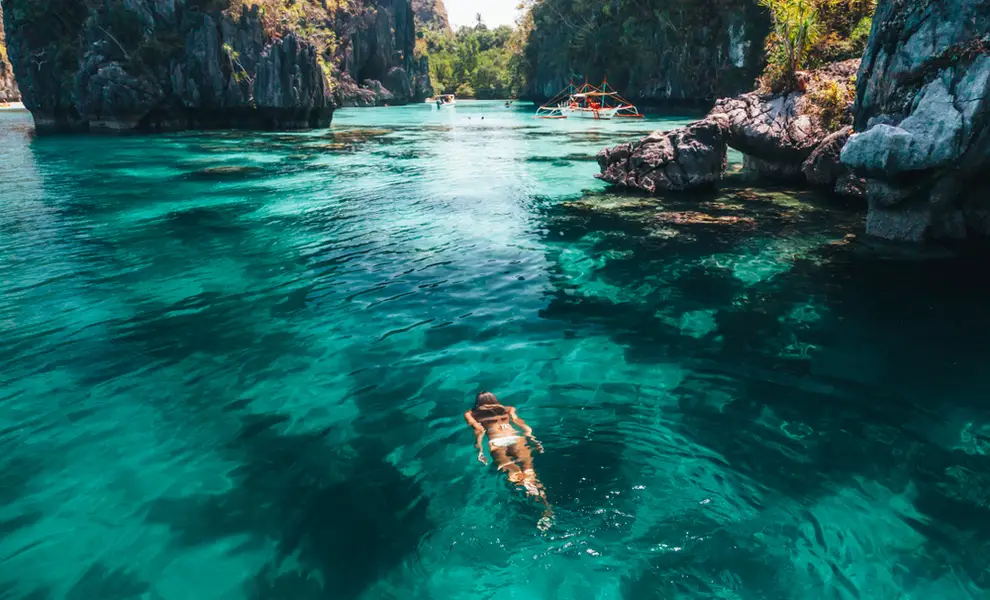
Palawan is not one place. It is a corridor of water and limestone and silence that stretches from Puerto Princesa to El Nido to the remote northern edges few visitors reach. Its extraordinary biodiversity creates environments of such natural intensity that the nervous system simply cannot maintain its ordinary pace. El Nido in particular has a way of making productivity feel absurd. You are surrounded by cliffs that have been here for millions of years. The lagoons are the color of something you would not believe in a photograph. It is very difficult to feel like your problems are the most important thing in the world, which is precisely the kind of perspective that heals.
SAGADA, MOUNTAIN PROVINCE
Cold air. Pine trees. The sound of bells from the small church in the town center carrying across the valley in the early morning. Sagada has been receiving people who need to disappear for decades, and it receives them without ceremony. The hanging coffins, the underground rivers, the trek to Bomod-ok Falls through rice terraces older than the Philippine nation itself, all of it conspires to make you feel both very small and somehow less alone. This is a place for grief and transition, for sitting with things you have not had the quiet to sit with. Bring a journal. Leave your schedule.
ANTIQUE, WESTERN VISAYAS
Antique is the Philippines that the algorithm has not fully reached yet, and that is exactly why it belongs on this list. The kawa bath ritual here, soaking in a large iron cauldron of warm herb-infused water under open sky, is the kind of experience that sounds strange until you are in it, and then it feels like the most natural thing you have ever done. The rivers and waterfalls of Tibiao ask nothing of you except presence. The people are unhurried. The province has the particular quality of places that have not yet decided to perform themselves for visitors, and that honesty is its own kind of medicine.
BATANGAS COAST
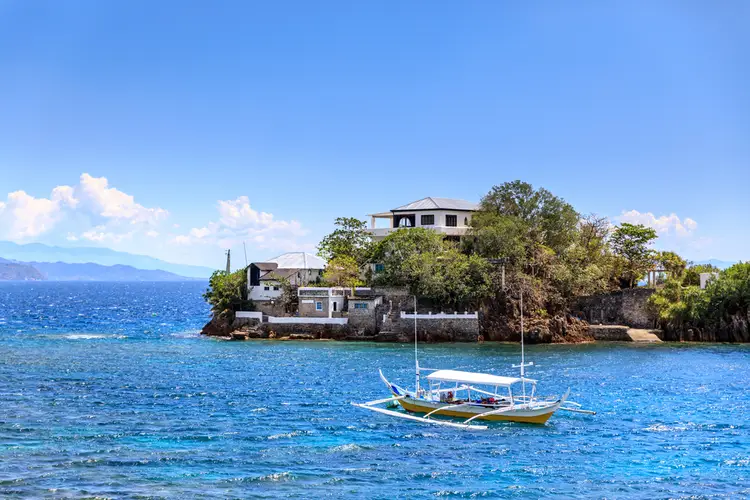
For those who cannot go far, who have a weekend and a full heart and nowhere near enough of either, the coves and shores of Batangas are close enough to reach by Saturday morning and far enough to matter. Anilao for the divers, Laiya for those who simply need to sit in front of the water without an agenda. The sea here is warm and accessible and has been helping Manilenos exhale since before there were expressways to reach it. Sometimes healing does not require a long journey. Sometimes it requires two days, a hammock, and the permission to stop being someone who has everything figured out.
THE COUNTRY WILL HOLD YOU.
There is a reason Filipinos, no matter where in the world they end up, still talk about home the way they do. Not just with nostalgia but with something almost physical, a pull in the chest, a specific kind of longing for the quality of light on certain water, the sound of rain on a corrugated roof, the smell of earth after a storm. The Philippines is not a perfect country. But it is a country that knows how to make you feel alive again, which is sometimes the only thing that matters.
You do not have to be okay before you go. You just have to go.