
I’ve always had a soft spot for museums that blur the lines between indoors and outdoors—places where nature and art exist side by side, where you can wander from a gallery into a garden without missing a beat. There’s something grounding about being able to take in a powerful painting, then step outside to breathe fresh air and reflect.
I never thought I’d find a museum like that in the Philippines—until I visited the Pintô Art Museum.
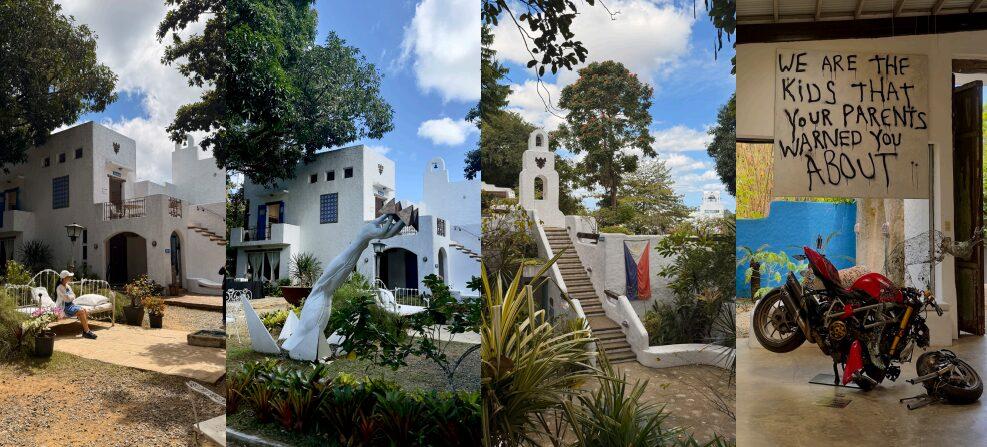
Tucked away in the quiet hills of Antipolo, the Pintô Art Museum is about an hour away from Metro Manila, but it feels like a world apart. The moment I stepped onto the grounds, I was immediately struck by the peaceful atmosphere. The bright white Spanish-style buildings were bathed in natural light, with archways and courtyards opening into lush gardens filled with indigenous plants. Beautiful and thought-provoking sculptures were thoughtfully scattered throughout the property, piquing my curiosity for the pieces yet to come.
Pintô’s story began in the 1970s, when Filipino neurologist and former Director of St. Luke’s Hospital, Dr. Joven Cuanang, purchased the house and lot that would later become the museum. During the political shifts of the People Power Revolution and the fall of the Marcos regime in 1986, Dr. Cuanang emerged as a key advocate and patron for local artists, helping to spark a new wave of creative expression. He played a pivotal role in supporting The Salingpusa, a revolutionary Filipino artist collective, by providing them with a space to create and display their work.
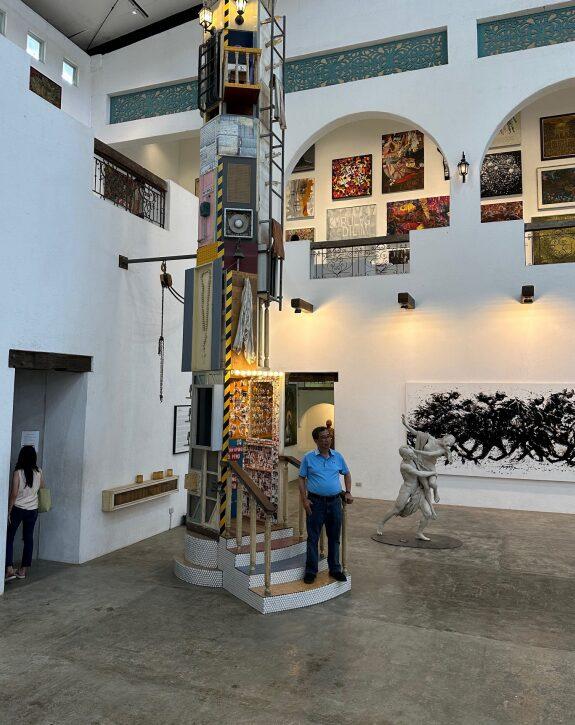
In 2001, Dr. Cuanang opened Pintô’s first art gallery, and by 2010, it had grown into the Pintô Art Museum we know today. His collection features works by renowned artists like Elmer Borlongan, Mark Justiniani, Rodel Tapaya, and others—each piece capturing the shifting and vibrant landscape of contemporary Philippine art.
Our first stop was a large, airy gallery where Karnabal by The Salingpusa stretched across the main wall, clearly the centerpiece of the room. My group and I spent nearly 30 minutes just unpacking the layers of symbolism and meaning in that one painting, which “provides a metaphor of Philippine society as a carnival of competing powers and pawns,” according to Pintô’s website. It was hard to believe it was completed back in 1992, as more than 30 years later, its political messages still feel strikingly relevant to today’s global landscape.
As a Filipina American, my recent trip to the Philippines was the first time I fully confronted the complex history and painful realities the Filipino people have endured—particularly during the Marcos regime. As I continued walking from gallery to gallery, I realized that the Pintô Art Museum offered more than just art; it revealed the emotional and political depth of Filipino expression—capturing stories of struggle, resistance, and identity through bold imagery and layered symbolism. In a world where it’s all too easy to move on without looking back, the work at Pintô challenges you to slow down, reflect, and reckon with the past—while also honoring the resilience and progress that has followed.
“Pintô” means “door” in Tagalog—a fitting symbol for the museum’s role as an entry point into the rich and complex world of Philippine art and heritage. A visit to the Pintô Art Museum offers a powerful opportunity to engage with aspects of Philippine history and identity that are often overlooked or unfamiliar.
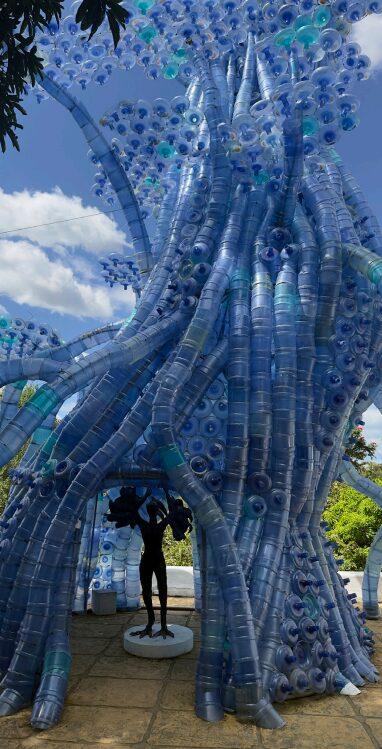
Being in that environment—surrounded by greenery, wandering freely from one gallery to the next—felt healing and eye-opening. We ended the visit at Café Rizal, sipping on cold San Miguel beers on a hot March afternoon, looking out at the hills. It was quiet, and for a moment, I felt completely transformed and inspired.
Before you even step foot into the museum, a sign outside reads: “Enter and be healed by art and nature. Depart and leave a better person.” I couldn’t have said it better myself to encapsulate the experience I had there. The Pintô Art Museum didn’t just meet my love for museums that flow between the natural and artistic world—it gave that love context. Meaning. It reminded me that the Philippines, in all its complexity, holds endless opportunities for reflection, connection, and discovery.
Some portals don’t just open to places. They open to parts of yourself you didn’t know were waiting to be uncovered. All you have to do is be brave enough to walk through the door and experience it for yourself.