
When Nathanael Nunag first left his small rural hometown, he carried with him more than just a suitcase—he brought the wonder of a boy who used to flip through encyclopedias, dreaming of far-off places. That curiosity never left him.
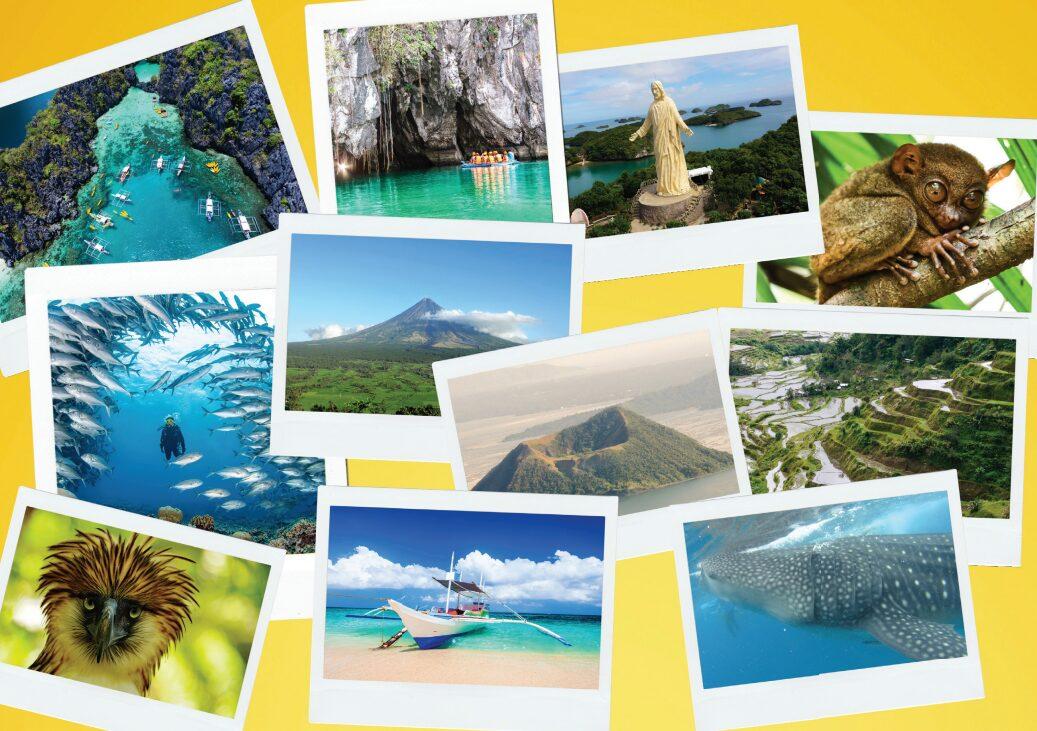
Years later, as an overseas Filipino worker (OFW) now based in Australia and the voice behind Travelling Peoples, a blog and digital storytelling platform, Nunag has achieved something rare and extraordinary: he has traveled to all 80 provinces and cities of the Philippines. This personal milestone speaks to the heart of his mission—to inspire fellow Filipinos, especially those overseas, to explore their own country with the same excitement reserved for foreign lands.
“I’m really glad you chose to travel while you were young—it gave you so many amazing experiences and opened a lot of doors,” he reflects, as if offering advice to his 24-year-old self. “Still, no regrets—just lessons.”
His journey is more than just a personal checklist. It’s a homecoming in installments, a love letter to the archipelago stitched together by jeepney rides, ferry crossings, hotel stays, and kind encounters. At the heart of it all is a message that resonates deeply with the global Filipino: no matter how far we roam, we always find our way home.
Unlike the backpacker narrative many associate with long-term travel, Nunag chose a different path.
“Like many OFWs, I believe that after years of hard work, we deserve to travel in style—turning each trip into a well-earned reward,” he told Balikbayan Magazine in an interview.
He funneled his savings not into flashy material goods but into experiences that allowed him to fully savor each destination. From hotel stays to immersive cultural experiences, his approach redefines what it means to travel meaningfully and responsibly.
Behind the curated social media posts lies a simple truth. “People often assume I must have a lot of money to be able to travel, but what they don’t see are the sacrifices behind the scenes. I keep things super simple—like, I pretty much live in the same black shirt and denim pants.”
It’s this authenticity that powers his platform, Travelling Peoples, a digital space filled with stories that go beyond picture-perfect beaches and instead tell of forgotten folklore, humble meals, and the joy of getting lost. His background in Literature and Asian Studies deepens this storytelling. “It’s not just about the place, but the deeper story behind it.”
The beauty of travel, especially for those who’ve lived abroad, lies in perspective. For Nunag, revisiting the Philippines wasn’t just about ticking off destinations. It was about rediscovery.
“Meeting people in remote, beautiful islands who’ve never really left their hometowns made me think of my late grandmother. She never got the chance to visit places like Visayas or Mindanao, even though I feel like she would’ve loved to travel.”
That memory shaped his mission—to inspire others to explore, not out of envy but empowerment.
“I try to stay grateful for every trip I take, and I hope my journey inspires others, not makes them feel left out or discouraged.”
It’s a gentle yet powerful reminder: travel doesn’t have to be grand to be transformative. Even a weekend in an unfamiliar barangay or a leisurely walk through a provincial capital can reconnect us to our roots.
While many balikbayans still think of Manila as the default entry point into the country, Nunag has a different message: explore through Clark and Cebu.
“I’ve got a soft spot for Clark and Cebu because I feel like more people need to know how convenient and world-class their airports are,” he shares. “They’re less crowded and less stressful. Plus, there are so many beautiful spots nearby that are worth exploring.”
It’s not just about logistics. Both cities have taken strides to present themselves not merely as stopovers, but as cultural destinations in their own right. “When you land there, it’s not just a gateway to other places—it’s a chance to dive into the local vibe right away, from the food to the festivals to the way people welcome you.”
And if you’ve only got 48 hours? Nunag recommends making it count with a staycation. “Go for a relaxing stay in one of their world-class hotels, and enjoy the food—Clark’s Kapampangan Sisig and Cebu’s Lechon are musts. Even with a short stay, you can still get a real taste of the culture.”
Through his years of travel, Nunag has met what he calls “millions of angels.” These aren’t mythical beings, but everyday people who changed his journey in quiet, meaningful ways. “There have been so many small moments—someone offering directions, sharing a meal, or just giving a smile when I needed it most.”
In a world that often feels fast-paced and transactional, these moments ground his work. “It reminds me of that quote, ‘In a world where you can be anything, be kind.’ It’s those kinds of people—those ‘angels’—that have helped shape my journey in the best way.”
It’s this human connection that he believes sets his content apart. “By telling my own stories—what I felt, what I noticed, even the small things—I’m already offering something unique.”
Now based in Australia with his wife Liezel, Nunag’s life has entered a new chapter. But even from afar, the Philippines calls him back. “After this chapter in Australia, I’d really love to take a sentimental trip back to the Philippines—visit each province again and document how things have changed. It feels like a full-circle moment.”
Traveling together has only strengthened their bond. “It’s a great way to really get to know each other—how we handle stress, how we enjoy little things, and even how we solve problems on the go.”
From their first summer plane ride to Boracay to quiet sunsets in Tawi-Tawi, each shared experience reinforces what matters most: presence, connection, and the joy of discovery.
With nearly a decade of content behind him, Nunag still sees himself as a work in progress. For aspiring travel creators, especially those starting with little more than a smartphone and a dream, he offers a simple but powerful roadmap.
“If you’re serious about it, invest in a decent gadget, even if it means getting one through a small loan. But more than gear, stay consistent, stay curious, and tell stories that feel true to you.”
His hope for Travelling Peoples is that it leaves behind a digital legacy that pushes Filipinos—wherever they may be—to explore, not someday, but now. “Life can be unpredictable, and sometimes we wait too long and miss our chance.”
There’s something about summer in the Philippines that makes it easier to remember who we are. Nunag feels it too. “I always love going back during summer—it’s usually typhoon-free, so it’s easier to travel around and really experience the beauty of each place.”
Among all the destinations he’s visited, he holds a special fondness for the underrated. “Tawi-Tawi is incredibly beautiful and peaceful. Visiting helps shift those narratives and shows the real charm of the place.”
And if he had to choose a favorite tradition? “Santa Cruzan in May. It’s such a beautiful mix of faith, tradition, and pageantry. People really go all out. It adds a really special vibe to summer.”
For Nunag, travel is more than just movement. It’s a means of rediscovering identity, of preserving stories, and of reminding us that even as we fly far, we always have a home waiting—sometimes in a province we’ve never been to, sometimes in a familiar dish, sometimes in the smile of a stranger.
In a world that often glorifies leaving, his story is a powerful reminder of the beauty in returning. Because wherever Filipinos may end up, we never forget how to find our way home.
And for those still waiting to take that trip? He leaves us with this:
“Just go for it—travel while you can. Don’t keep putting it off. Make those memories now, not someday.”
Follow Nunag’s journey at @travellingpeoples and rediscover the Philippines, one heartfelt story at a time.