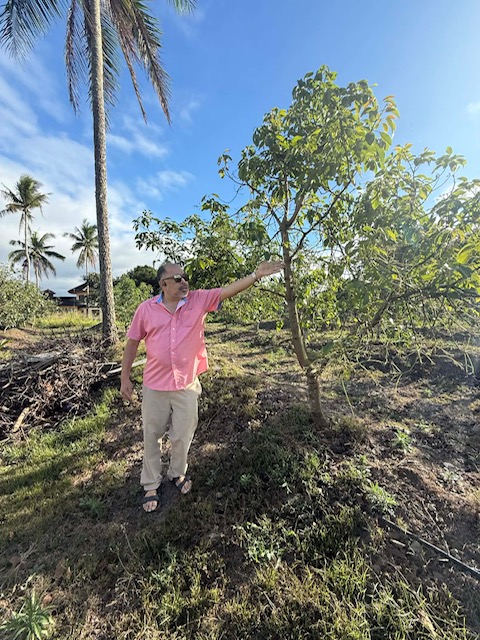
Every avocado grove or farm begins with one decision: the seedling. For avocado farmers, success hinges not on the first harvest but on that correct choice of variety, genetics, and planting material. Get it right, and the land rewards sound judgement patience over the next decade. Get it wrong, and fruitful & productive years vanish.
The Philippines’ tropical climate—20–30°C temperatures, 60–80% humidity, 90 inches annual rainfall, and loamy soils (pH 5.5–7.5) at elevations up to 2,400 meters—suits avocados across Mindanao, Cagayan Valley, Central Visayas, and Southern Tagalog. Progressive export oriented farms like Dole’s 80-hectare Hass site in South Cotabato signal commercial promise. The Philippines lower costs of production, climate suitability to tropical avocados and its proximity to Asian markets favorably position the Philippines country against the traditional Latin American avocado exporters.
Our Philippine Hass avocados, through the Dole plantation farms, now access Japan and China after years of talks, targeting 484 metric tons ($1.6 million) in 2025. Exports already reach South Korea, Singapore, and the UK, with port proximity boosting logistics.
Yet reliable certified planting material for premium varieties has been scarce.
Enter SunPacific Avocados.
BUILDING IN BATANGAS
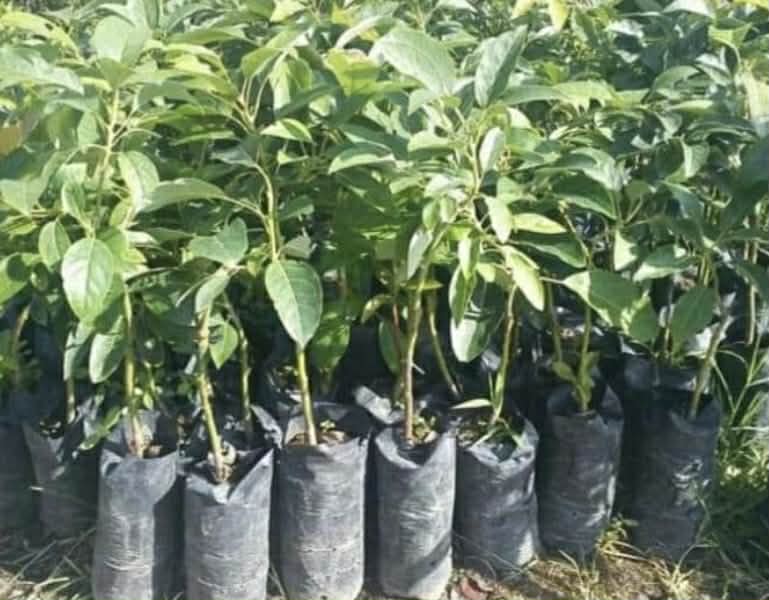
SunPacific is propagating certified California avocado genetics in Lipa City, Batangas, for Filipino growers targeting both the premium local market and international standards for high quality avocado fruits. Founder Joel ‘Coko’ Mabunay Carino, shaped by California’s Avocado industry, spotted the gap: verified source seedlings over fruit-first thinking imports.
“Most avocado talks start with fruit,” Carino says. “Serious avocado groves or orchards begin only with premium seedlings.” Without source verified planting materials, farmers could wait 4–5 years for genetic surprises—devastating in time-intensive agriculture. SunPacific Avocados eliminates that risk.
CALIFORNIA GENETICS, LOCAL ROOTSTOCK
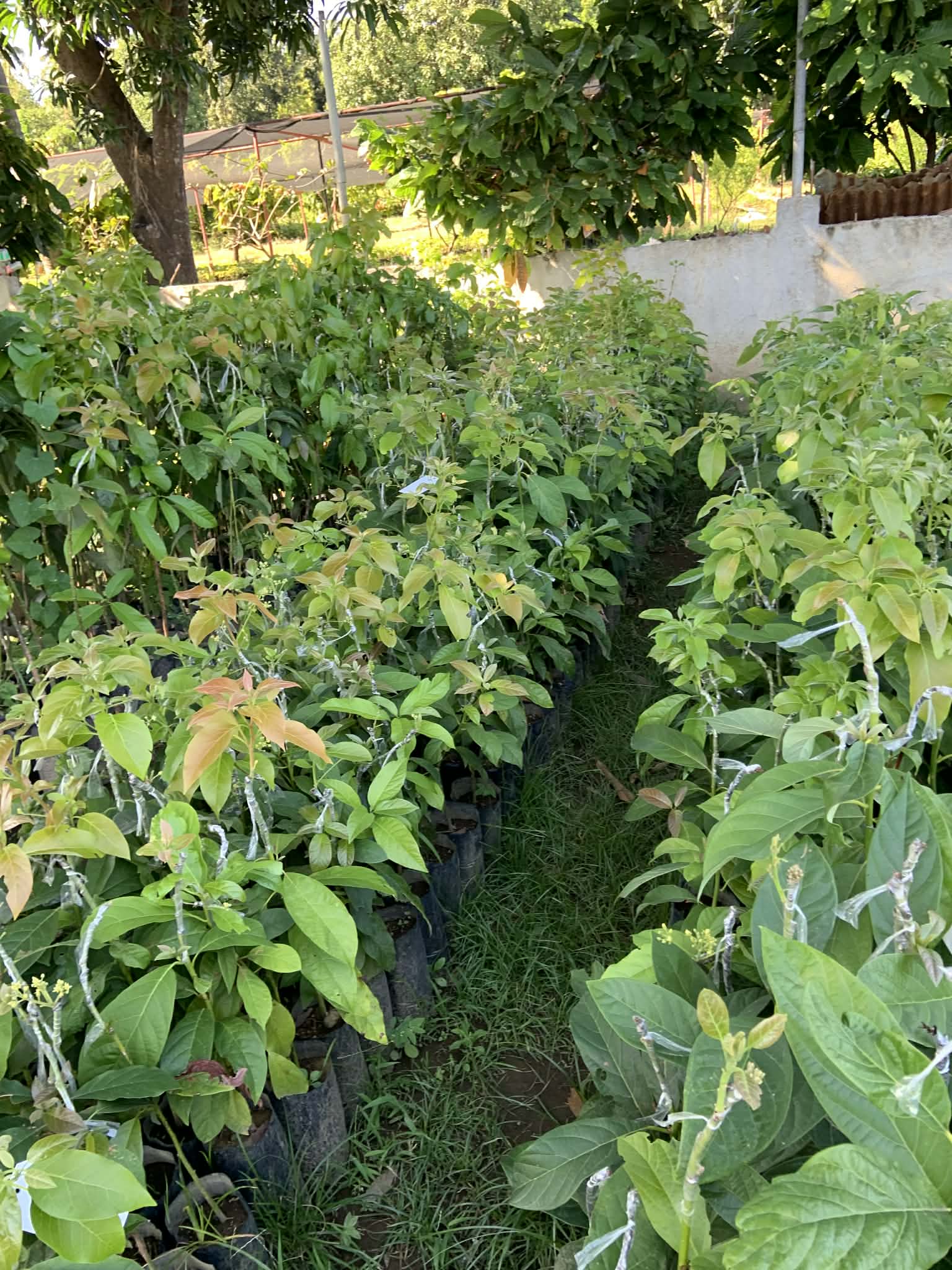
Sourcing, certified sourcing from Brokaw Nursery (tied to University of California Riverside research updates), SunPacific Avocados imports scion material with USDA certificates and BPI permits. Its Lipa pilot nursery and farm—chosen for volcanic soils, moderated heat, and cool nights mirroring the ideal propagation site—planted its first grafted California Hass and other premium varieties in 2021.
WHY VARIETY MATTERS
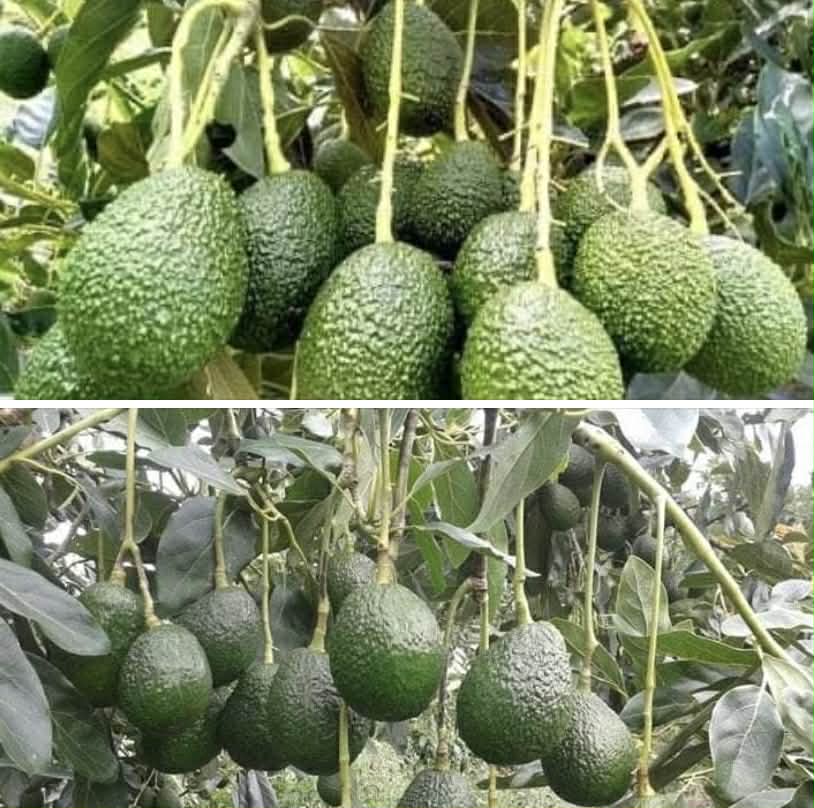
The avocado varieties California Hass, Joya Gem, and the Lamb Hass have set global standards benchmarks with their dark, pebbled skin and creamy & high-oil content flesh.
SunPacific Avocados supplies these premium varieties plus other California varieties like Fuerte, Reed, Carmen (Pepe), Gwen, Sir Prize and Pinkerton. With these other varieties available now, it enables a season-spreading and extended harvests.
The Joya Gem variety offers high early yields. Carmen or Pepe flowers 2–3 times yearly, ripening ahead of Hass peaks. Pinkerton’s long-necked, green-skinned fruit suits premium markets. Gwen’s compact habit allows dense planting. Fuerte brings classic flavor; Reed fills warm-season gaps with their large, creamy & nutty fruit.
This varietal portfolio optimizes returns across various Philippine regional microclimates.
TRACEABLE TREES
Mislabeled seedlings plague Philippine farms. SunPacific Avocados counters with full traceability: USDA/BPI docs, coded grafts, and lot records from California mother trees to groves. Growers gain certainty for long-term investments.
FARMING FROM THE ROOTS
Genetics need smart cultivation. In Batangas, SunPacific Avocados prioritizes drainage (raised beds), organic and mineral enriched soils, staged fertilization, and IPM to protect sensitive roots. Fruit is picked only at 21% dry matter (12% oil) for consistent flavor and ripening.
“Sustainability is essential,” Carino says. “We prioritize stable quality productivity over yields alone.”
EXPANDING NATIONWIDE
From 2021 plantings, certified seedlings now reach Abra, Cagayan, Pangasinan (Luzon); Negros, Iloilo, Leyte (Visayas); and Bukidnon, Davao (Mindanao) via authorized partners upholding the certification chain. Each grove advances to a national avocado ecosystem.
BEYOND THE FARM
Carino envisions value streams: fresh fruit, processing (healthy avocado culinary oil, pulp, cosmetics), and even agritourism. “Leave land healthier, produce excellent fruit and premium seedlings, build a lasting avocado legacy that your children’s children could enjoy & be nourished,” he says.
PATIENCE PAYS
Avocados demand 4–5 years to produce, and continues to thrive decades after. “Trees reward soil stewardship and subtle signals,” Carino notes. SunPacific Avocados empowers growers, creates jobs, and builds expertise from propagators to supervisors.
Its Lipa base now serves as nursery, farm, and outreach hub.
FOR THE NEXT GENERATION
Today’s trees shape tomorrow’s landscapes. Inheritances for Filipino children, they underpin high-value avocado groves. Carino’s principle: right seedlings ensure success. Scaled nationwide, they forge a new industry.
It starts with planting one tree—premium, sourced, placed right.
CONNECT WITH SUNPACIFIC AVOCADOS
Growers: Inquiries via www.SunPacificAvocados.com or SunPacific Hass Avocados on Facebook.
Watch also on You Tube video Agribusiness on its featured SunPacific Avocados farm.
https://youtu.be/TX9SWMDMzqI?si=jN6FIsC2PzJBCsIm
Where to Find Certified Hass Avocado Seedlings at Saan ang Ideal Planting Locations?
The SunPacific Avocados Nursery farm in Lipa City Batangas distributes source verified grafted seedling materials nationwide.