
A taste of Filipino heritage in every sip: Lambanog, Tapuy, and Tuba, each with its own rich history, unique flavors, and deep cultural roots
For centuries, the Philippine archipelago has been home to a rich tradition of crafting distinctive alcoholic beverages. From the swaying coconut palms of Quezon to the terraced mountains of the Cordilleras, these spirits tell stories of cultural heritage, community celebrations, and time-honored craftsmanship passed down through generations.
The tale of Philippine spirits begins long before Spanish colonization, when indigenous communities created these drinks not just for revelry, but as integral elements of spiritual ceremonies, social gatherings, and daily life. Today, these traditional liquors continue to captivate both locals and visitors, offering unique flavors that reflect the archipelago’s diverse landscape and cultural tapestry.
Among these traditional spirits, Lambanog stands as perhaps the most internationally recognized. Often called “coconut vodka” by foreigners, this clear spirit originates from the coconut-rich provinces of Southern Luzon, particularly Quezon and Batangas. Traditional distillers, known locally as manananggot, climb towering coconut trees twice daily to collect the precious sap from the coconut flowers. This sap naturally ferments into tuba before undergoing distillation in copper stills, resulting in a potent spirit that can reach up to 45% alcohol by volume. While traditionally consumed pure, modern producers have introduced varieties infused with fruits like raisins, mango, and even bubblegum flavors, appealing to younger consumers.
In the northern mountains of Luzon, the indigenous peoples of the Cordilleras have long produced Tapuy, a rice wine that holds deep cultural significance. Made from carefully selected glutinous rice and natural fermentation starters called bubod, Tapuy production is surrounded by rituals and traditions. The process begins with women carefully washing the rice and mixing it with bubod before storing it in earthen jars. The resulting wine, with its subtle sweetness and complex flavor profile reminiscent of Japanese sake, plays a crucial role in traditional ceremonies, from weddings to harvest festivals. Each community has its own closely guarded recipe, passed down through generations.
The Visayas and Mindanao regions contribute their own distinctive drink to this spiritual trinity: Tuba, often called the “toddy” of the Philippines. Harvested from either coconut or nipa palms, this fermented palm wine represents one of the oldest forms of alcohol production in the archipelago. Fresh Tuba offers a sweet, slightly effervescent taste, while its aged counterpart, Bahal, develops a stronger, more complex flavor profile. Local folklore speaks of Tuba’s medicinal properties, with some believing it can help with digestion and provide energy.
Contemporary Filipino mixologists and craft distillers are breathing new life into these traditional spirits. In upscale bars across Manila and other urban centers, bartenders create innovative cocktails incorporating Lambanog and aged Tuba. Small-batch distilleries have emerged, focusing on premium versions that maintain traditional production methods while meeting modern quality standards. Organizations like the Philippine Craft Spirits Association work to preserve these traditions while promoting responsible innovation.
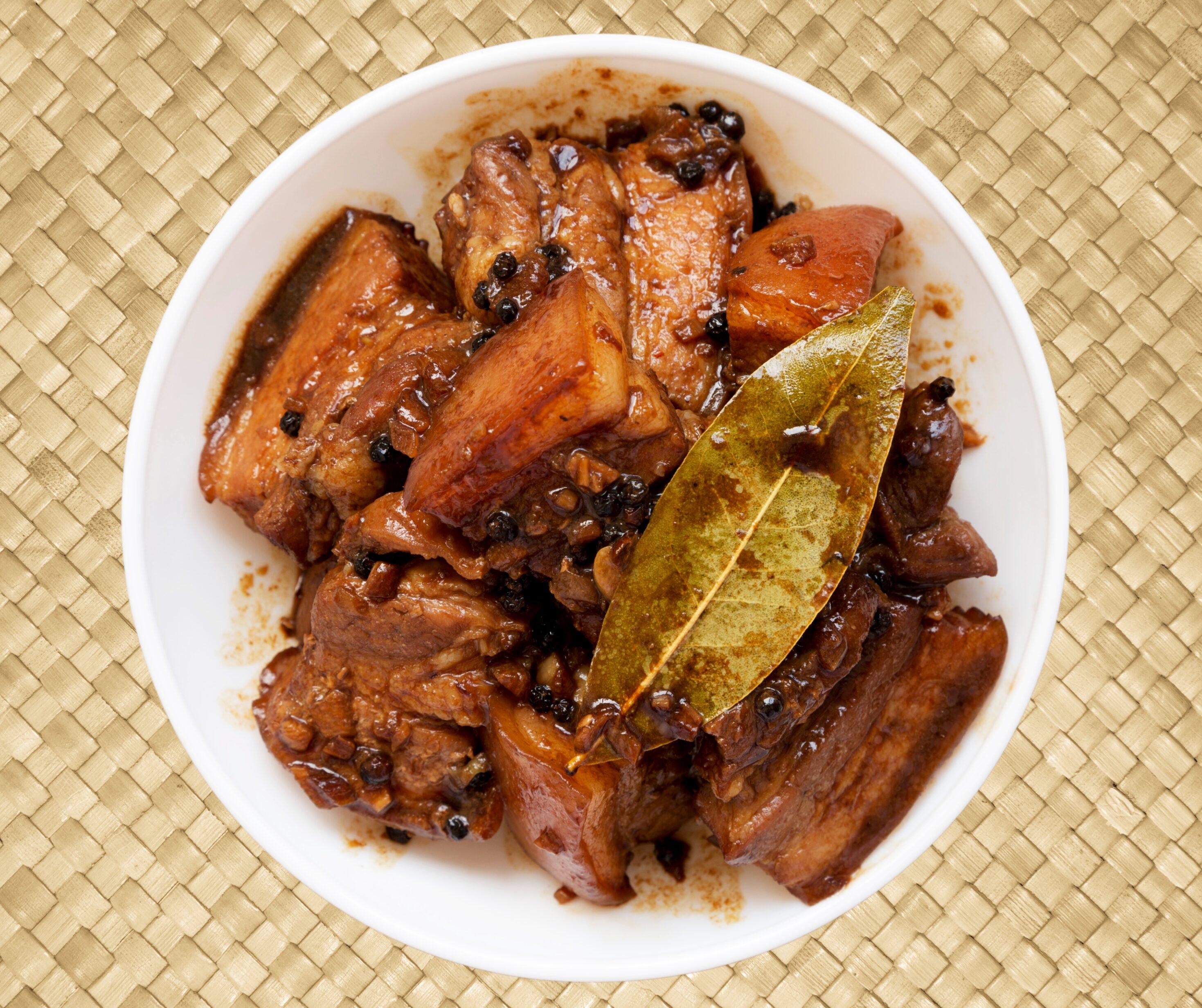
When it comes to enjoying these spirits, each offers unique pairing possibilities. Lambanog’s clean, crisp profile complements grilled seafood and pork, particularly during traditional beach gatherings or “boodle fights.” Tapuy’s subtle complexity pairs beautifully with traditional Cordilleran dishes like pinikpikan or smoked meats. Fresh Tuba, with its natural sweetness, makes an excellent accompaniment to spicy Filipino cuisine, while aged Bahal can stand alongside strong-flavored dishes like kinilaw or sinugba.
These spirits represent more than mere alcoholic beverages; they embody centuries of Filipino ingenuity, cultural practices, and community bonds. Each bottle contains stories of ancient traditions, family gatherings, and the natural bounty of the Philippine islands. As global interest in craft spirits grows, these traditional Filipino liquors offer unique flavors and experiences that cannot be replicated elsewhere.
For those yet to experience these traditional spirits, they offer a genuine taste of Philippine heritage. Whether sipped during a sunset on a Philippine beach, shared among friends during a fiesta, or carefully paired with traditional cuisine, these drinks continue to play a vital role in celebrating and preserving Filipino culture. Perhaps it’s time to raise a glass to these enduring spirits of the islands.