Sleep is often the first thing sacrificed when we travel. The excitement of departure, the rush of airports, and the constant hum of movement can keep both the body and mind awake. But the truth is, good rest is as essential to travel as your passport. Without it, the sights blur, the energy fades, and the joy of discovery becomes harder to hold onto.
The key to better sleep while traveling begins long before takeoff. Preparation helps the body adapt to change. Staying hydrated, eating balanced meals, and adjusting your sleep schedule slightly before a flight or ferry ride can make transitions smoother. When possible, choose travel times that align with your natural rhythm rather than forcing your body to sleep on command.
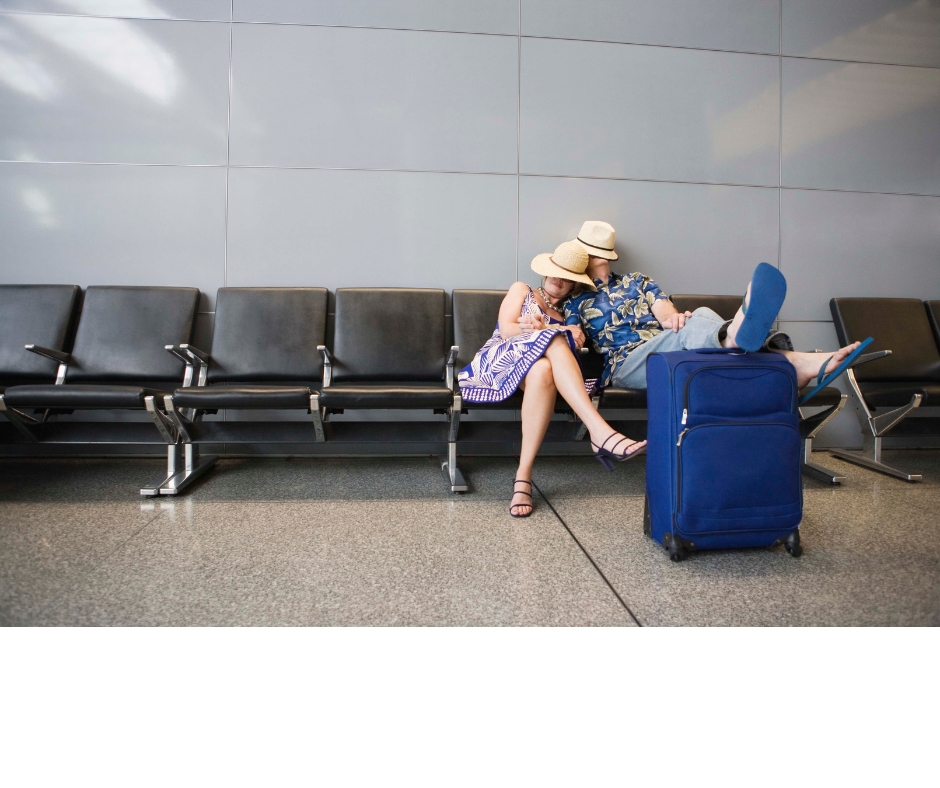
In airports, rest becomes a skill. Find a quiet corner away from bright lights and heavy foot traffic. Use a light scarf or jacket as a pillow, and listen to slow music or white noise to tune out the chaos. Many terminals now have designated rest zones or pay-per-use lounges that offer reclining chairs and showers. Even a short nap in relative quiet can restore the energy lost to lines and delays.
On flights, the art of rest lies in comfort and timing. A neck pillow, sleep mask, and noise-cancelling headphones can turn even the smallest seat into a personal retreat. Avoid heavy meals or endless screen time before trying to sleep. Close your eyes, breathe deeply, and let the steady rhythm of the plane become background music. If your body cannot sleep, let it rest anyway. Stillness has its own kind of recovery.
Ferries and long-distance buses offer a different rhythm altogether. The gentle motion of the sea or the hum of the highway can lull even restless travelers into brief but meaningful naps. Bring layers of clothing for warmth and a small pillow or inflatable cushion for support. Keep your valuables close, so your mind can relax fully. Sometimes, rest comes easier when you feel safe enough to let go.
Hotels and guesthouses can bring a different challenge: unfamiliar spaces that feel too quiet, too bright, or simply not like home. Create small rituals that help you wind down wherever you are. A warm shower, a few minutes of stretching, or a calming scent can signal to your body that it is time to slow down. Consistency matters more than perfection. What tells your body it is safe to sleep at home can work anywhere if you give it the same care.
The most important lesson in all kinds of travel is that rest is not wasted time. It is what allows every other moment to shine. When you make room for sleep, you wake up ready to absorb more of the world — the colors, the sounds, the stories that make travel unforgettable.
Whether you are dozing on a plane somewhere over the Pacific, napping in a port terminal between ferries, or catching an early sunrise from a roadside inn, rest connects you to the rhythm of travel itself. It reminds you that movement and stillness are not opposites but partners. Every journey needs both.