
Walk into any trendy bakery from Brooklyn to Berlin, and you’ll likely spot it: that unmistakable royal purple hue peeking out from croissants, swirled into soft serve, or glazed atop artisanal donuts. Ube, pronounced “OO-beh,” has quietly orchestrated one of the most remarkable culinary conquests of the past decade. What began as a humble root vegetable in Filipino kitchens has transformed into a global phenomenon that’s reshaping dessert menus, captivating food influencers, and introducing millions to the rich tapestry of Filipino cuisine.
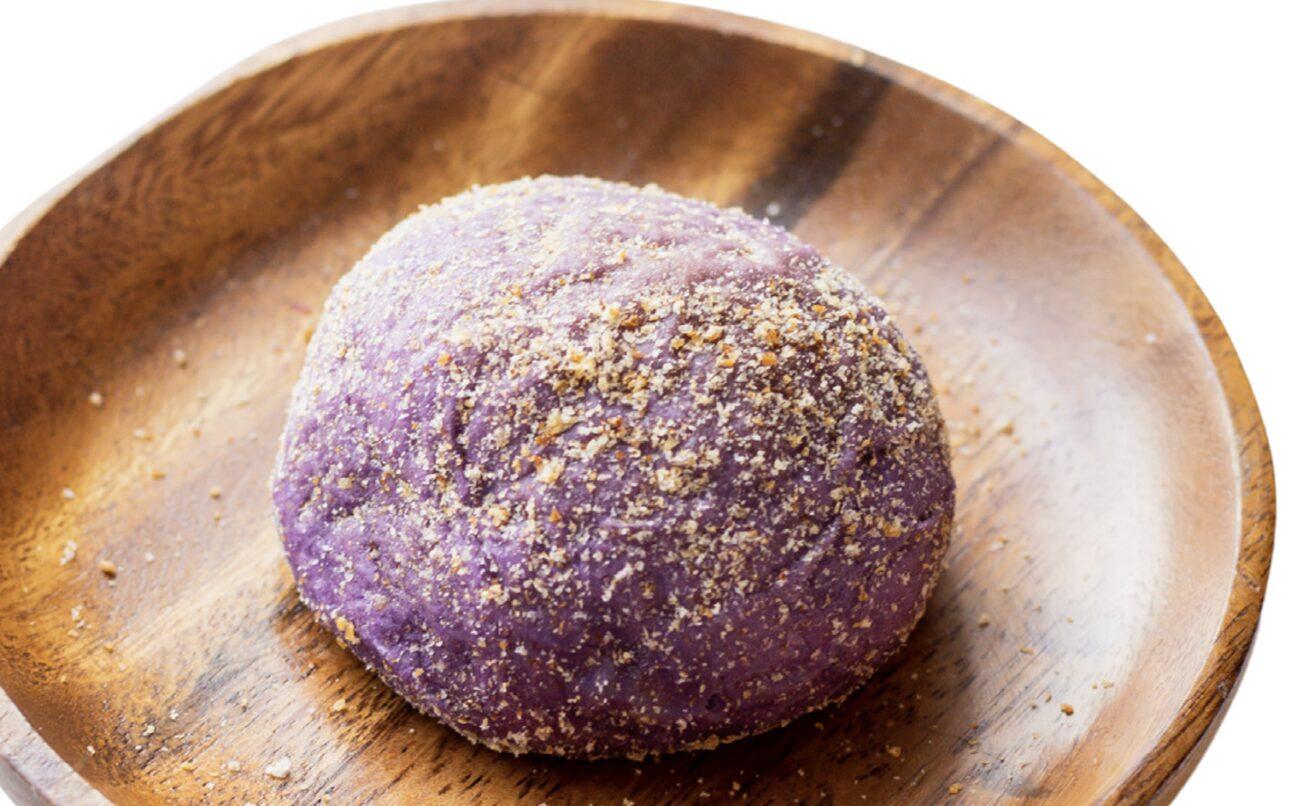
For the uninitiated, ube is a purple yam native to the Philippines, scientifically known as Dioscorea alata. Its flesh ranges from pale lavender to deep violet, and its flavor profile is equally complex: subtly sweet with notes of vanilla and coconut, earthy yet delicate, nutty yet creamy. Unlike the artificial grape flavoring many Westerners might expect from its vibrant color, ube offers a sophisticated taste that’s both exotic and comforting.
But ube is more than just another Instagram-worthy ingredient. Its meteoric rise represents something far more significant: the growing global appetite for Filipino culture, creativity, and culinary innovation. In every purple-swirled creation lies a story of heritage, diaspora, and the power of food to transcend borders.
ROOTS OF ROYALTY
Long before ube conquered international palates, it held a revered place in Filipino households and celebrations. The purple yam has been cultivated in the Philippines for centuries, thriving in the archipelago’s tropical climate and volcanic soil. Its deep purple color has always carried special meaning in Filipino culture, symbolizing royalty, luxury, and festivity.
Traditional Filipino desserts have showcased ube’s versatility for generations. Ube halaya, a thick, creamy pudding made from mashed purple yam, coconut milk, and sugar, remains the gold standard of ube preparations. This labor-intensive dessert requires hours of constant stirring, making it a labor of love typically reserved for special occasions like Christmas, birthdays, and family reunions. The vibrant purple treat often serves as the crowning glory of holiday tables, its rich color signaling abundance and celebration.
Equally beloved is halo-halo, the Philippines’ national dessert, where ube halaya sits atop a towering mountain of shaved ice, sweetened beans, jellies, and tropical fruits. This colorful creation embodies the Filipino spirit of harmony in diversity, with ube providing the dish’s signature purple flourish. In sapin-sapin, a layered glutinous rice cake, ube creates one of the colorful tiers that make this dessert as visually stunning as it is delicious.
The reverence for ube extends beyond taste to cultural identity. Purple has long been associated with Filipino nobility and spiritual significance, and ube’s natural violet hue connects modern Filipinos to their ancestral appreciation for beauty and ceremony. In a culture that values both visual presentation and deep flavor, ube represents the perfect marriage of aesthetics and taste.
THE GLOBAL BOOM
Ube’s journey from Filipino kitchens to global recognition didn’t happen overnight. The transformation began in earnest during the 2010s, propelled by several converging forces: the growing Filipino diaspora, the rise of social media food culture, and an increasingly adventurous global palate seeking authentic, diverse flavors.
Filipino American chefs played a crucial role as cultural ambassadors, introducing ube to foreign audiences through innovative fusion creations. These culinary pioneers recognized that ube’s natural beauty and unique flavor profile could serve as a gateway ingredient, drawing curious diners into the broader world of Filipino cuisine. Early adopters began incorporating ube into familiar Western desserts, creating ube cheesecakes, macarons, and ice creams that felt both exotic and accessible.
The Instagram revolution proved to be ube’s secret weapon. In an era where visual appeal can make or break a food trend, ube’s photogenic purple hue made it irresistible to social media users. Food bloggers and influencers began featuring ube creations, their feeds flooded with images of violet-hued treats that garnered thousands of likes and shares. The hashtag #ube exploded across platforms, creating a viral loop that introduced millions to this Filipino treasure.
Mainstream culinary media soon took notice. Food Network features, magazine articles, and restaurant reviews began highlighting ube as the next big flavor trend. Celebrity chefs started experimenting with the ingredient, while food manufacturers recognized its commercial potential. What had once been available only in Filipino grocery stores or specialty shops suddenly appeared in mainstream supermarkets and chain restaurants.
The pandemic years unexpectedly accelerated ube’s global expansion. As people spent more time at home, many turned to baking and cooking, seeking novel ingredients to brighten their quarantine routines. Ube’s cheerful color and comforting flavor provided exactly the kind of joy people craved during uncertain times.
Behind ube’s global success stands a dynamic community of Filipino entrepreneurs, chefs, and food innovators who have worked tirelessly to elevate their heritage ingredient on the world stage. These cultural ambassadors have transformed ube from a niche ethnic ingredient into a mainstream culinary phenomenon.
INNOVATION BEYOND DESSERT
While ube’s sweet applications continue to dominate global markets, innovative chefs have begun exploring its potential in savory preparations, revealing new dimensions of this versatile ingredient. Filipino fusion restaurants now feature ube gnocchi, where the purple yam’s natural creaminess creates pasta with both visual impact and earthy depth. Ube has appeared in risottos, providing a subtle sweetness that complements both seafood and meat dishes.
Modern Filipino cuisine has embraced ube in unexpected ways. Chefs create ube-infused breads and pastries that blur the line between sweet and savory, while others use purple yam as a natural food coloring in pasta doughs and dumpling wrappers. These applications showcase ube’s versatility beyond its traditional dessert role.
From a sustainability perspective, ube offers compelling advantages. The purple yam is naturally resilient, requiring fewer resources than many other crops while providing excellent nutritional value. Rich in antioxidants, vitamins, and minerals, ube aligns with growing consumer interest in functional foods that offer health benefits alongside great taste.
Food scientists have taken notice of ube’s natural properties, studying its potential as a source of anthocyanins, the compounds responsible for its purple color and antioxidant properties. Research into ube’s nutritional profile has revealed significant levels of potassium, vitamin C, and fiber, positioning it as a superfood that happens to taste incredible.
WHAT THE PURPLE WAVE MEANS FOR FILIPINO IDENTITY
Ube’s global success represents far more than a culinary trend; it embodies the rising soft power of Filipino culture and the diaspora’s growing confidence in sharing their heritage with the world. For many Filipino-Americans and overseas Filipino workers, seeing ube celebrated in mainstream media and restaurants provides a source of immense pride and validation.
The ingredient’s popularity has opened doors for broader Filipino culinary traditions. Restaurants that initially attracted customers with ube desserts often find diners returning to explore other Filipino dishes like adobo, lumpia, and sisig. Ube serves as a comfortable entry point into a cuisine that Western palates might have previously found intimidating or unfamiliar.
This cultural exchange reflects a broader shift in global food culture toward inclusivity and authenticity. Diners increasingly seek out genuine cultural experiences rather than sanitized fusion versions of ethnic cuisines. Ube’s success suggests that audiences are ready for flavors that tell real stories about real places and people.
For younger generations of Filipino-Americans, ube’s mainstream acceptance has provided a bridge between their heritage and their contemporary identity. Many describe feeling proud to see their grandmother’s favorite ingredient featured in trendy cafes and celebrated by food influencers. This visibility helps combat the shame or embarrassment some experienced growing up with “different” foods that their non-Filipino classmates didn’t understand.
A TASTE OF HOME, A SIGN OF RISING INFLUENCE
As ube continues its purple march across global menus, its significance extends far beyond fleeting food fashion. This humble Philippine root vegetable has become a symbol of cultural resilience, creativity, and the power of the Filipino diaspora to shape international taste preferences.
The ube story reflects the Philippines’ broader emergence on the global stage. As the country’s economy grows and its cultural exports gain recognition, ube serves as an edible ambassador, introducing the world to Filipino values of warmth, celebration, and culinary artistry. Every purple-hued creation carries within it the story of a people who have maintained their cultural identity while embracing innovation and adaptation.
For food lovers worldwide, ube represents the joy of discovery and the endless potential for culinary surprise. Its success proves that authenticity resonates with global audiences hungry for genuine flavors and meaningful food experiences. In a world often divided by differences, ube demonstrates how food can unite us in appreciation for beauty, creativity, and the simple pleasure of something delicious.
Like the Philippines itself, ube is vibrant, versatile, and undeniably rising. Its journey from local treasure to global sensation mirrors the aspirations of millions of Filipinos who have shared their culture with the world while never forgetting their roots. In every spoonful of ube ice cream, every bite of purple pastry, lies a taste of home and a promise of even greater things to come.
The purple invasion is complete, but its impact is just beginning. Ube has won the world’s tastebuds, and in doing so, it has opened hearts and minds to the rich cultural heritage of the Philippines. This is more than a food trend; it’s a cultural moment, purple and proud.