Filipinos know from experience that disasters can strike at any time. From strong typhoons and floods to sudden earthquakes and volcanic eruptions, our country faces a wide range of natural hazards every year.
Located along the Pacific Ring of Fire and the typhoon belt, the Philippines experiences an average of 20 tropical cyclones annually, along with frequent tremors. The recent typhoons and earthquakes across the country are reminders that preparedness and resilience are essential for every community.
Resilience means the ability of communities to anticipate, adapt, act, recover, and grow in the face of hardship and crisis. It is about more than surviving a disaster; it is about rebuilding stronger afterward.
Around the world, organizations like United Way, along with local governments, private groups, and volunteers, work to help communities prepare for and recover from disasters. These partnerships focus on repairing homes, restoring essential services, supporting small businesses, and helping families regain stability and hope.
United Way and its partners continue to expand their efforts to strengthen community preparedness. Through programs such as United We Prepare, the organization promotes disaster readiness through workshops, education campaigns, and awareness drives in communities.
As part of this work, United Way developed a Disaster Preparedness Guide, a collection of tips and best practices from experts that anyone can use to strengthen readiness.
Here are five easy steps from that guide that Filipinos can follow today to become more prepared for the next disaster:
- Identify your support network and emergency contacts
Save the phone numbers of family members, friends, and neighbors as emergency contacts. Add important hotlines such as 911 (National Emergency Hotline), the Philippine Red Cross at (02) 8790-2300, and your local Disaster Risk Reduction and Management Office (DRRMO). - Get connected
Make sure your phone receives alerts and warnings from local authorities. Follow trusted sources like PAGASA, PHIVOLCS, and the NDRRMC on social media for real-time updates about typhoons, earthquakes, and evacuation notices. - Assess your needs
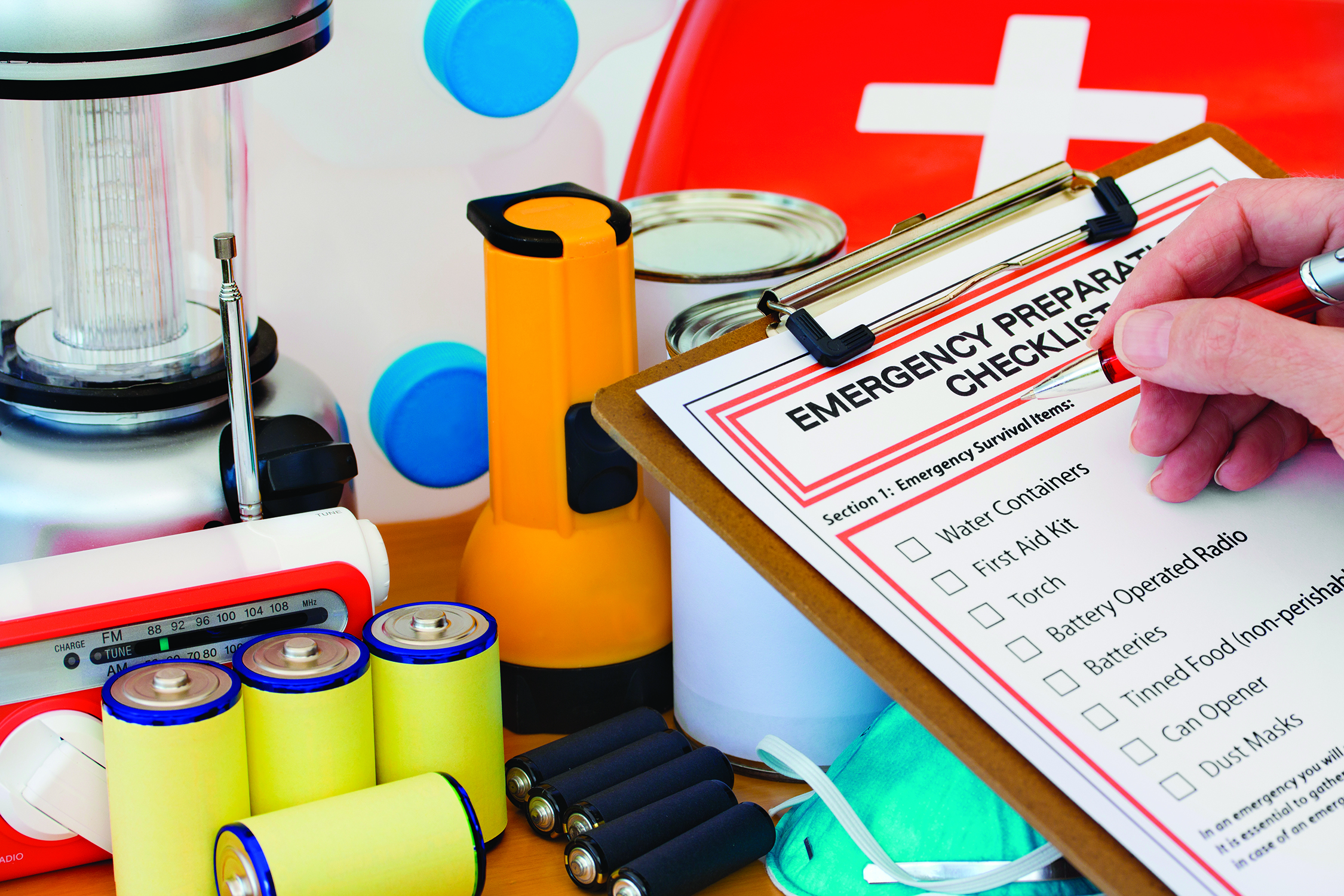
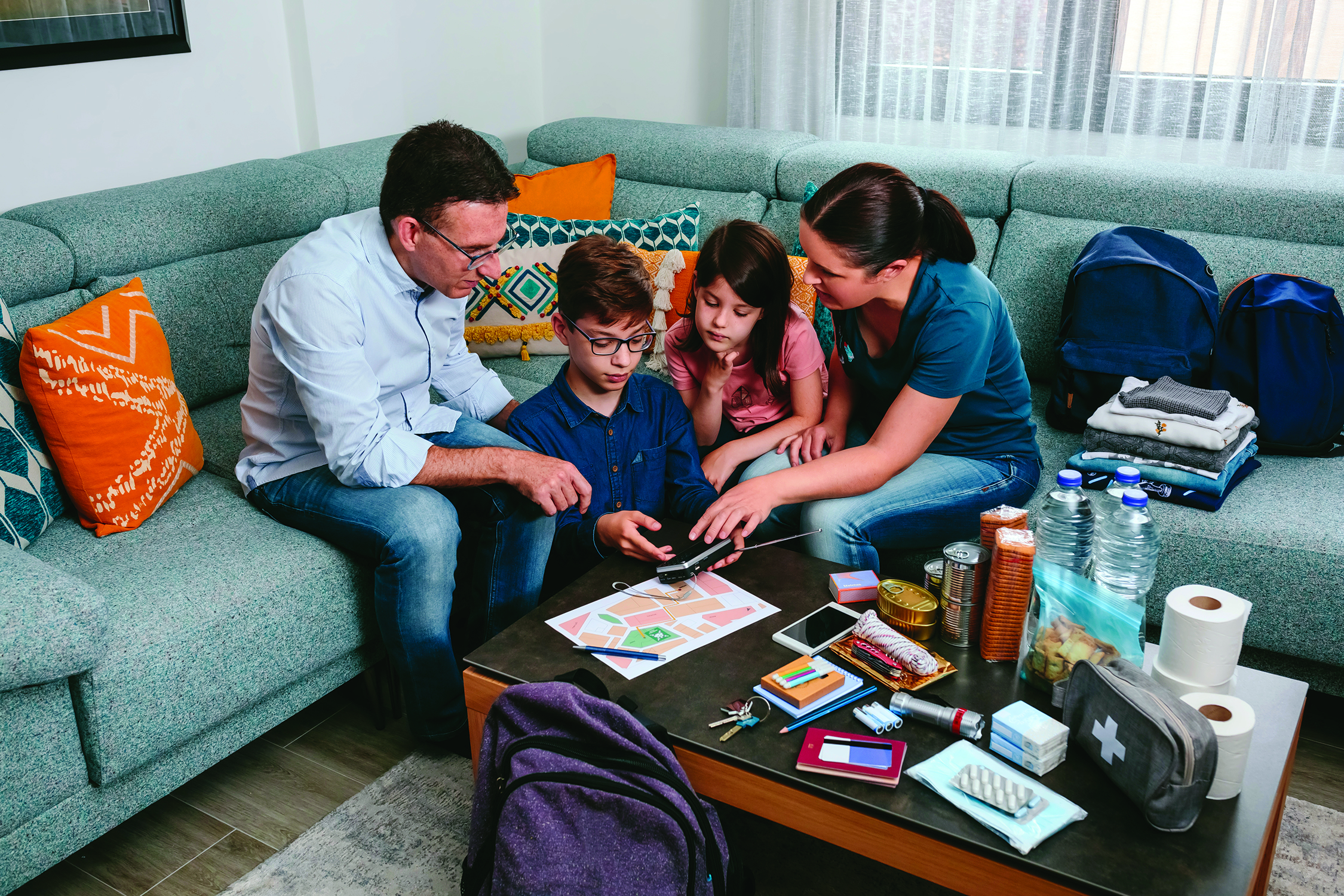
Prepare an emergency kit for home and a “go bag” for quick evacuation. Include food, water, flashlight, batteries, a power bank, first aid supplies, medicines, clothes, face masks, and copies of important documents. Consider the special needs of infants, elderly family members, or pets. - Safeguard key records
Take photos or scan important documents such as birth certificates, IDs, and property titles. Save copies in a waterproof envelope, a flash drive, or a secure cloud service. Keep some cash on hand in small bills in case ATMs or digital payment systems are unavailable. - Engage your support network
Encourage your family and friends to prepare as well. Check on neighbors, especially the elderly and persons with disabilities, and plan how to assist them in case of an emergency or evacuation.
Preparedness saves lives. By taking these simple but meaningful steps, Filipinos can help protect their families, support their communities, and build a culture of resilience rooted in cooperation and care for one another.