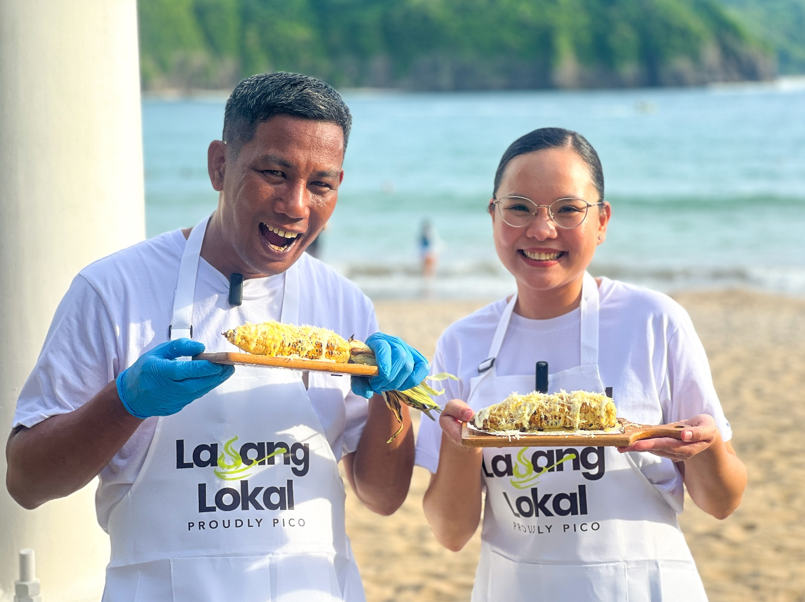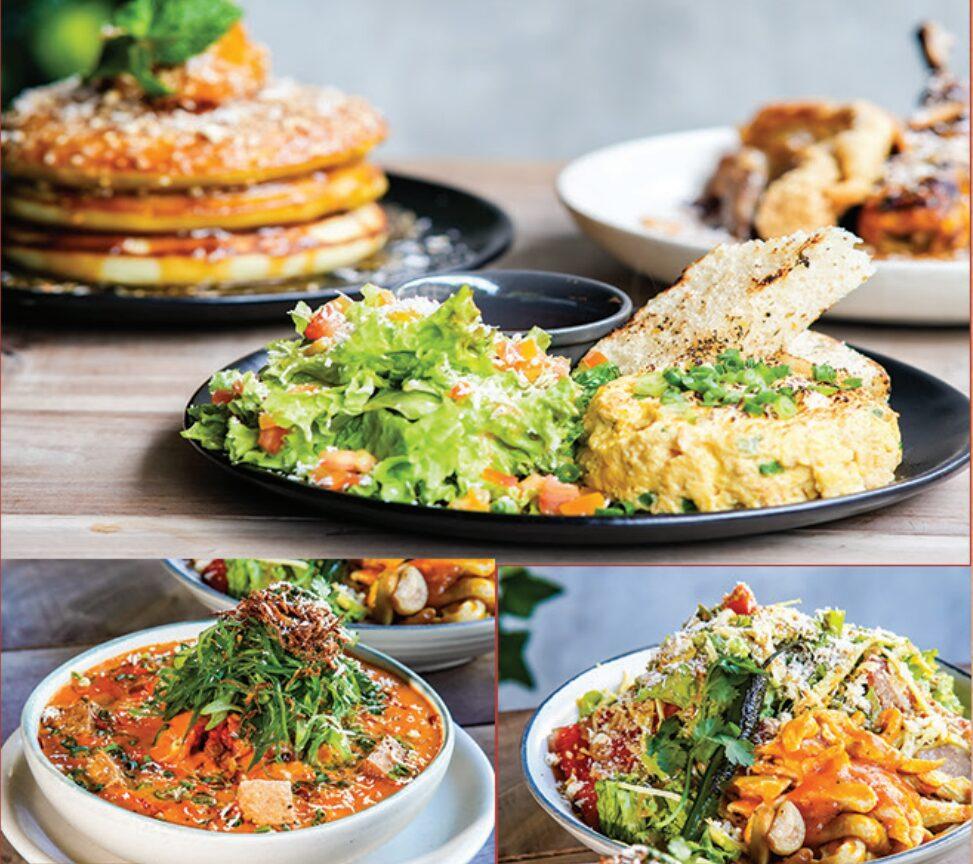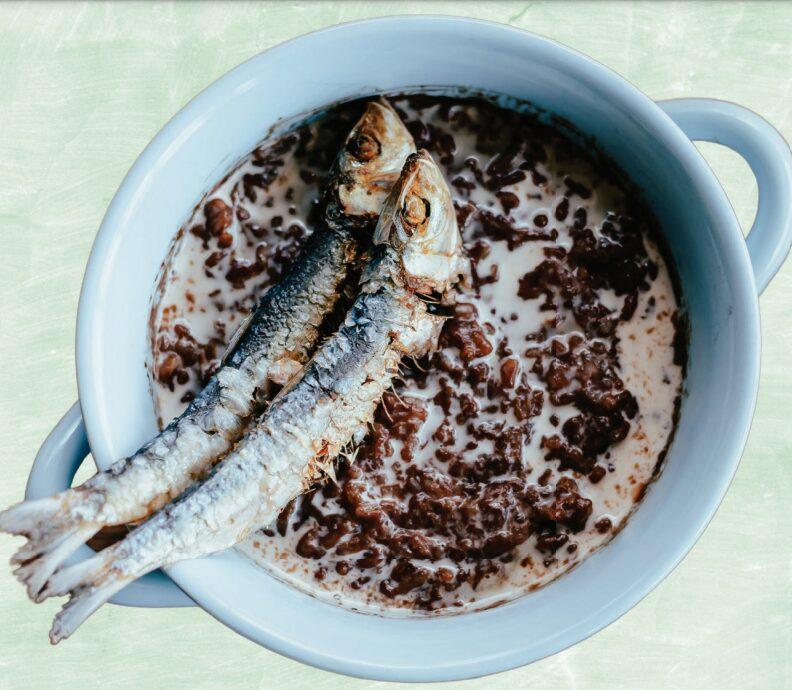
From the smoky shorelines of the Visayas to the buzzing wet markets of Luzon, the Philippine summer is best understood through what ends up on the table.
There is a particular joy that belongs only to eating in the Philippines in summer. It is the joy of food that has not traveled far, cooked simply and shared without ceremony, usually outdoors, usually with too many people around the table. It is the grilled tilapia that arrived at the market that same morning. It is the mango that was green yesterday and impossibly ripe today. It is the cold glass of buko juice handed to you on a road you didn’t expect to stop on. Philippine summer food is not a cuisine category so much as a state of being, and following it across the islands is one of the most rewarding things a traveler, local or returning, can do.
THE GRILL AS COMMON LANGUAGE
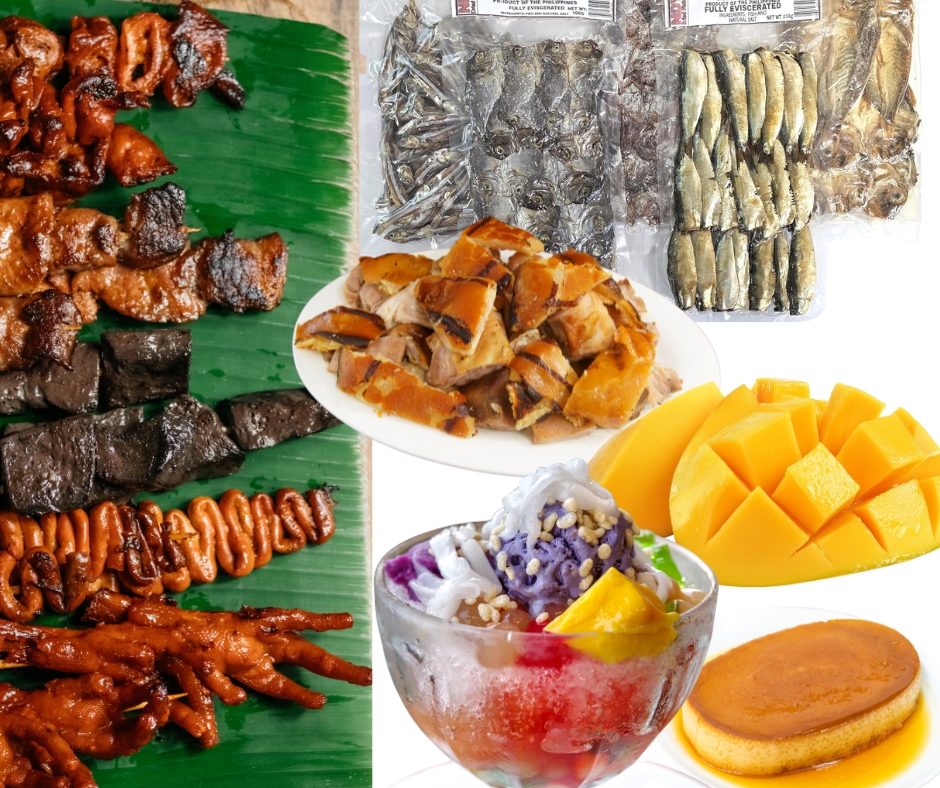
Across the archipelago, the inihaw is the great equalizer of summer eating. In Cebu, it is the iconic lechon, skin crackling and amber-gold, carved at the table with nothing more than a pair of hands and complete confidence. In Iloilo, it is pork isaw over charcoal on the sidewalk, served with a vinegar dip sharp enough to wake you up. In Mindanao, grilled tuna belly from General Santos arrives so fresh it barely needs seasoning. The method is the same everywhere. The fire, the smoke, the patience. What changes is the catch, the cut, and the sauce. But the satisfaction is always identical.
COLD THINGS AND SWEET THINGS
No honest account of Philippine summer food omits the cold and the sweet. Halo-halo remains the country’s most democratic dessert, assembled differently in every region but always arriving as a kind of beautiful chaos: shaved ice, leche flan, ube, beans, jellies, and fruit heaped into a tall glass that defeats any attempt at restraint. In Pampanga, it is an art form. In Cebu, it is a fast and generous street-corner ritual. Everywhere, it is the right answer to an afternoon that has gotten away from you temperature-wise.
Then there is the mango, which needs its own paragraph, its own season, its own moment of silence. The Guimaras variety, famously sweet and fiber-free, is worth building a trip around. Eaten fresh, dried into strips, blended into shakes, or layered into the filling of a chilled brazo de mercedes, the Philippine mango in summer is a small argument that this country does certain things better than anywhere else on earth.
THE MARKET AS DESTINATION
The most honest way to understand a Philippine region’s food culture is to visit its wet market early in the morning, before the heat arrives and the best catch is already gone. The Carbon Market in Cebu, the Bankerohan in Davao, the Malabon Fish Port in Metro Manila, these are not tourist attractions in the conventional sense, but they are among the most vivid and instructive places a food lover can stand. The variety is staggering. So is the freshness. So is the noise, which is its own kind of music.
The market is often where the homecoming becomes real. The smell of salted fish, the pyramid of green mangoes, the vendor who wraps your purchase in old newspaper and hands it to you with the assumption that you already know what to do with it. These are sensory memories that no amount of time abroad fully erases. Summer food in the Philippines is, in the end, also a form of remembering.
The islands are generous and the season is long. There is always one more dish to try, one more market stall to find, one more region whose version of a classic will make you reconsider everything you thought you knew. That is the real summer food itinerary: not a list, but an appetite.