
By Hanadi Ahmad
As the world changes, so do the customs that shape our daily lives. Technology has transformed the way we communicate, work, and celebrate, while younger generations continue to create traditions of their own. Change is a natural part of every culture, but some practices are worth preserving because they reflect the values that have long defined the Filipino identity. More than rituals, these traditions remind us of the importance of respect, kindness, family, and community. They continue to connect generations and tell the story of who we are.
MANO PO, “PO,” AND “OPO”
Respect has always been one of the cornerstones of Filipino culture. From an early age, children are taught to greet elders with mano po, a gesture of taking an elder’s hand and gently placing it on one’s forehead as a sign of respect and a request for blessing. The simple words po and opo reinforce that same courtesy in everyday conversations. While these practices may seem small, they reflect a culture that values humility, gratitude, and honoring those who came before us.
HARANA AND TRADITIONAL COURTSHIP
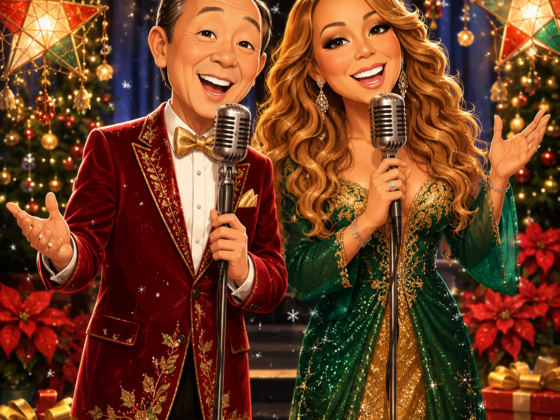
Love may look different today, but the values behind traditional Filipino courtship remain timeless. Harana, the practice of serenading someone outside their home, symbolized patience, sincerity, and genuine effort. Courtship was never rushed. It involved earning the trust of both the person being pursued and their family. Although modern relationships have evolved with changing lifestyles and technology, the idea that love should be built on respect, honesty, and meaningful intention is a tradition worth carrying forward.
BAYANIHAN
Few traditions capture the Filipino spirit as powerfully as bayanihan. Once symbolized by neighbors literally carrying a bahay kubo to a new location, the tradition has come to represent a willingness to help others without expecting anything in return. Today, bayanihan can be seen in volunteer efforts after natural disasters, neighborhood cleanups, community pantries, and countless everyday acts of generosity. It reminds us that strong communities are built not only through shared spaces but through shared responsibility.
PASALUBONG AND AGUINALDO
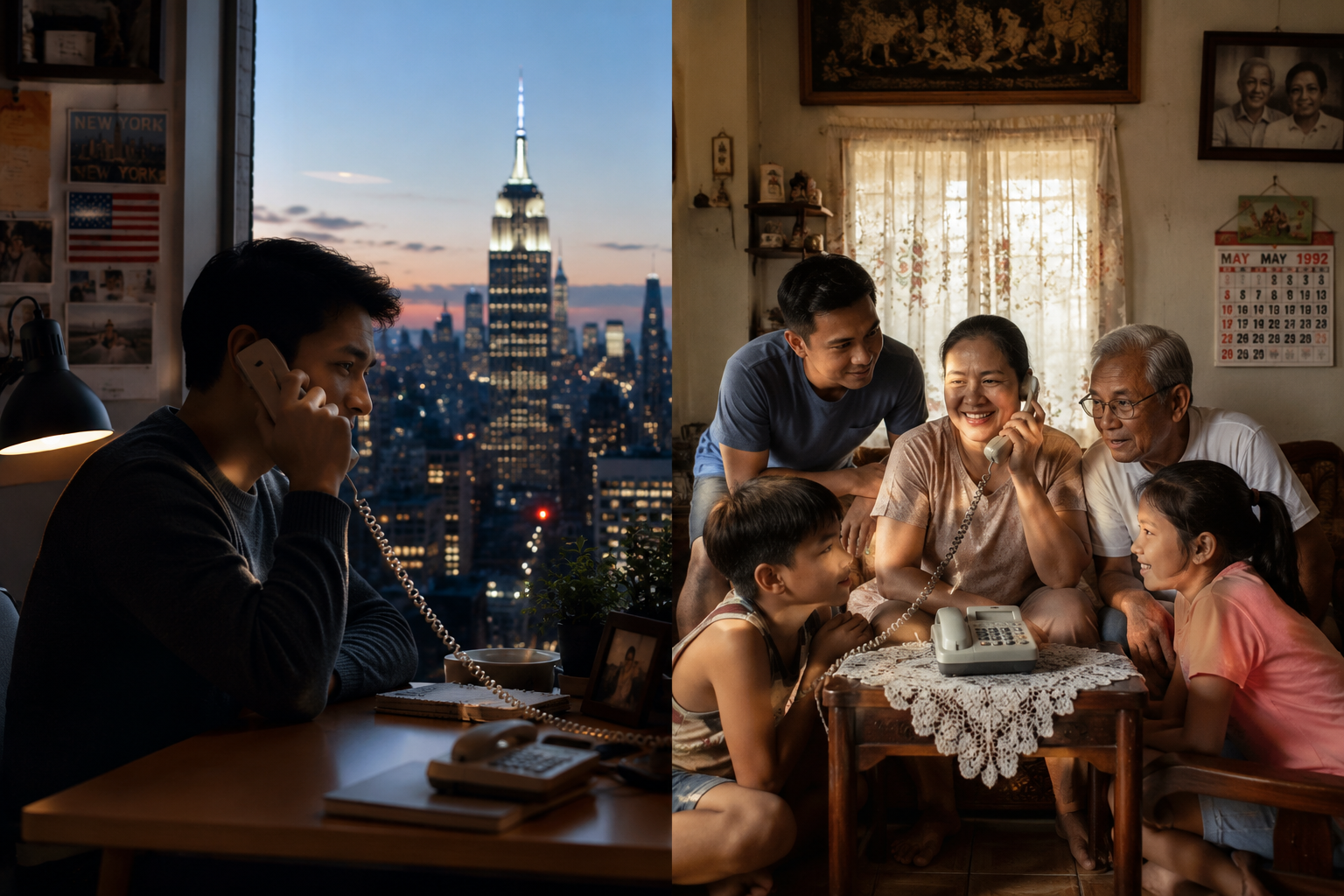
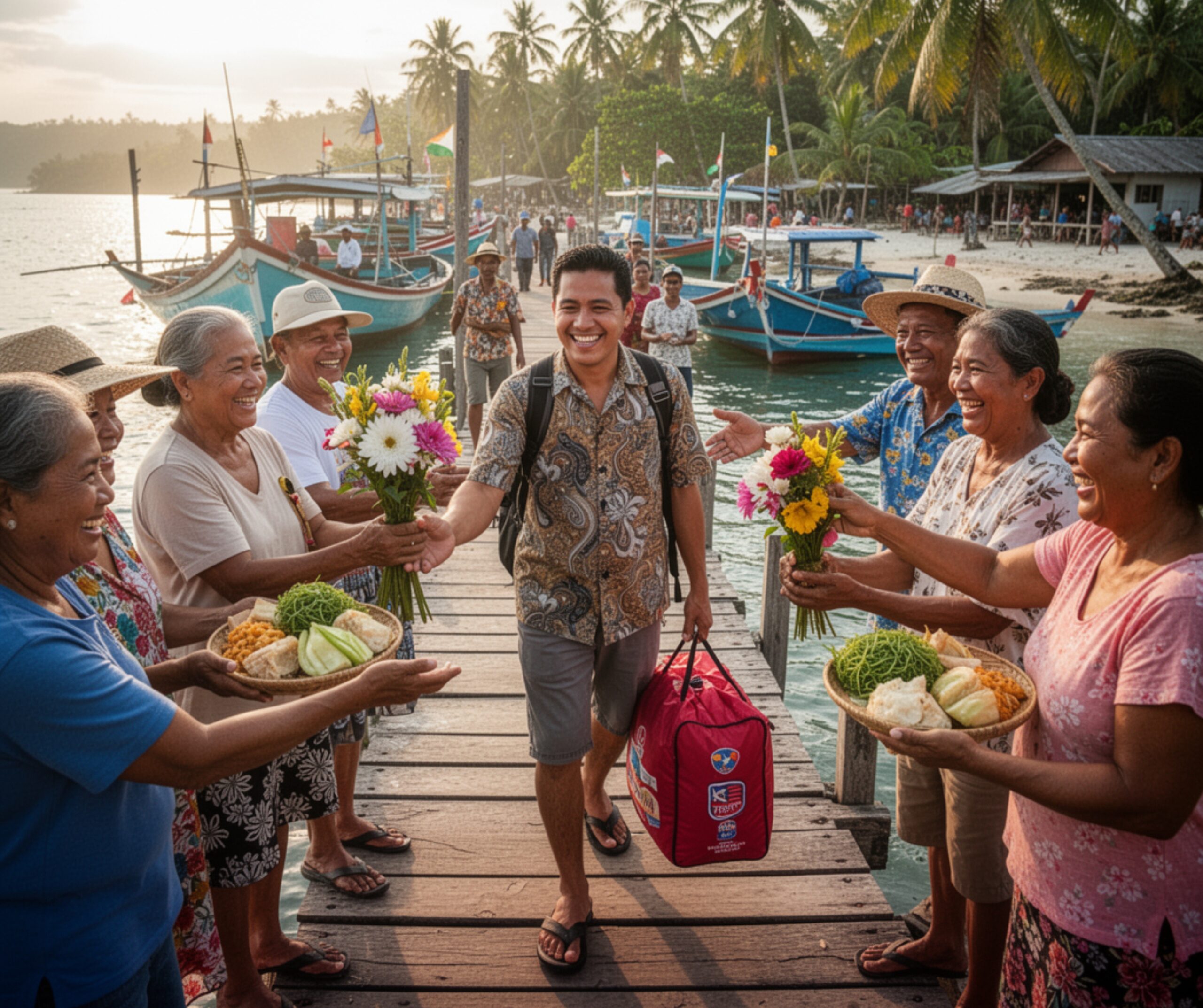
Bringing home pasalubong after a trip or giving aguinaldo during the holidays goes beyond the exchange of gifts. Both traditions express thoughtfulness and generosity. A simple box of local delicacies or a small token for loved ones says, “I remembered you.” Likewise, aguinaldo is less about its monetary value than the blessing and affection it represents between generations. These customs continue to strengthen family bonds, even when distance separates us.
UTANG NA LOOB
Among the most deeply rooted Filipino values is utang na loob, often translated as a debt of gratitude. While the phrase is sometimes misunderstood as an obligation that must always be repaid, its original meaning is far more meaningful. It recognizes the sacrifices, kindness, and guidance we receive from parents, mentors, relatives, and friends throughout our lives. At its best, utang na loob encourages us to remember acts of generosity with humility and appreciation. More importantly, it inspires us to extend that same kindness to others, creating a cycle of goodwill that benefits future generations.
Traditions are not meant to remain frozen in time. They evolve as society changes, taking on new forms while preserving the values that gave them meaning in the first place. By passing on customs such as mano po, harana, bayanihan, pasalubong, and utang na loob, we do more than preserve pieces of our heritage. We ensure that respect, compassion, generosity, gratitude, and community continue to shape what it means to be Filipino for generations to come.